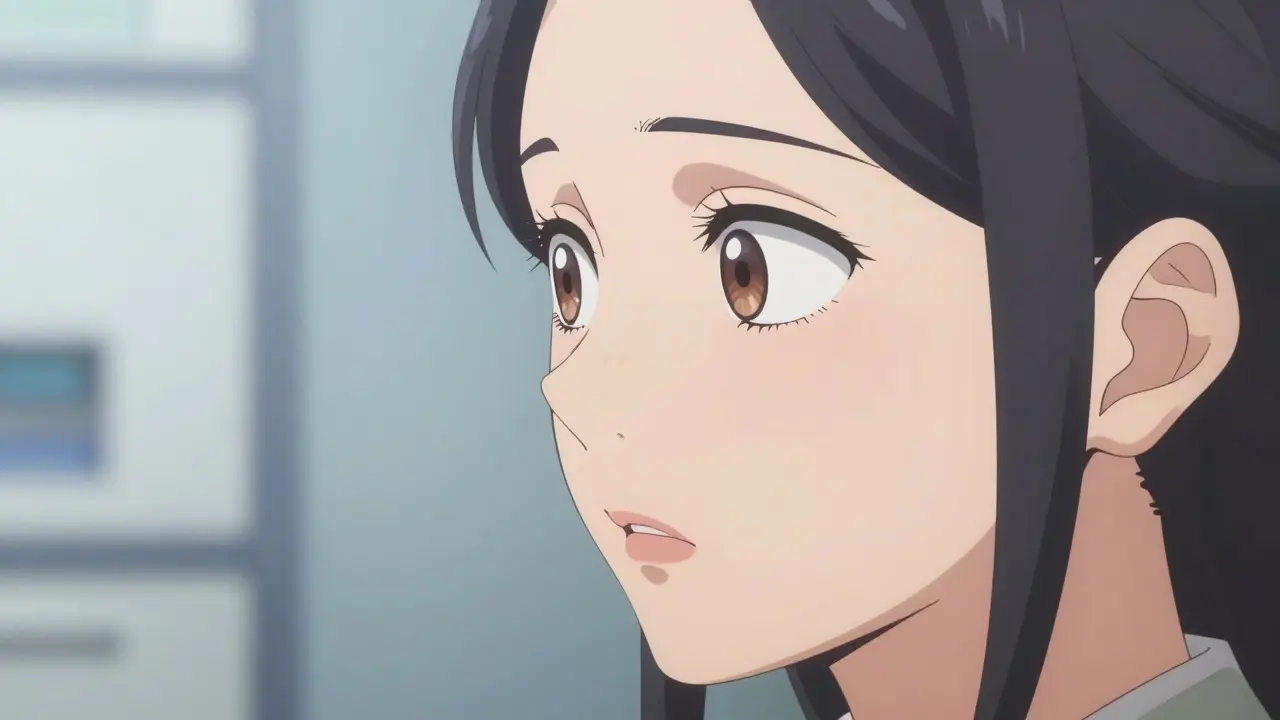
Have you ever felt a sudden change in your eyesight or noticed your eyelids looking different? For many people, these signs point to Thyroid Eye Disease, also known as Graves' orbitopathy. It is an autoimmune condition where the immune system attacks tissues around the eyes. This leads to swelling, pain, and changes in appearance that can significantly impact daily life.
Understanding this condition is crucial because early detection changes outcomes. Most cases are linked to Graves' disease, a form of hyperthyroidism. However, it can occur even if thyroid levels are normal. The good news is that treatment options have advanced rapidly in recent years, offering hope for better management and recovery.
What Is Thyroid Eye Disease?
Thyroid Eye Disease is an inflammatory disorder affecting the muscles and fat behind the eyes. It typically affects about one in three people with Graves' disease. The onset usually happens within the first six months after a Graves' diagnosis. The condition follows a biphasic pattern. First, there is an active inflammatory phase lasting one to three years. Then, it moves into an inactive phase where inflammation settles but some damage may remain.
The root cause involves antibodies. Specifically, anti-thyroid-stimulating hormone receptor (anti-TSHR) antibodies bind to receptors in orbital tissues. This triggers inflammation and tissue remodeling. While rare, it can affect individuals with hypothyroidism or normal thyroid function. Knowing this helps doctors look beyond just thyroid blood tests when diagnosing eye issues.
Common Symptoms to Watch For
Symptoms vary from person to person, but certain signs are very common. Bulging eyes, medically called proptosis, is a hallmark feature. Many patients also experience eyelid retraction, which creates a staring or startled look. Grittiness in the eyes is reported by nearly 80% of patients. Dryness or excessive tearing affects most cases, while light sensitivity impacts about 60% of those affected.
Double vision, or diplopia, occurs in roughly half of moderate to severe cases. Pain behind the eyes or during movement is another frequent complaint. In severe cases, difficulty closing the eyelids completely can lead to corneal ulcers. Vision loss is rare but possible due to optic nerve compression. If you notice color vision changes, seek immediate care, as this is an early sign of serious complications.
- Bulging eyes (proptosis)
- Eyelid retraction and swelling
- Dry, gritty, or watery eyes
- Light sensitivity (photophobia)
- Double vision (diplopia)
- Pain with eye movement
How Doctors Diagnose TED
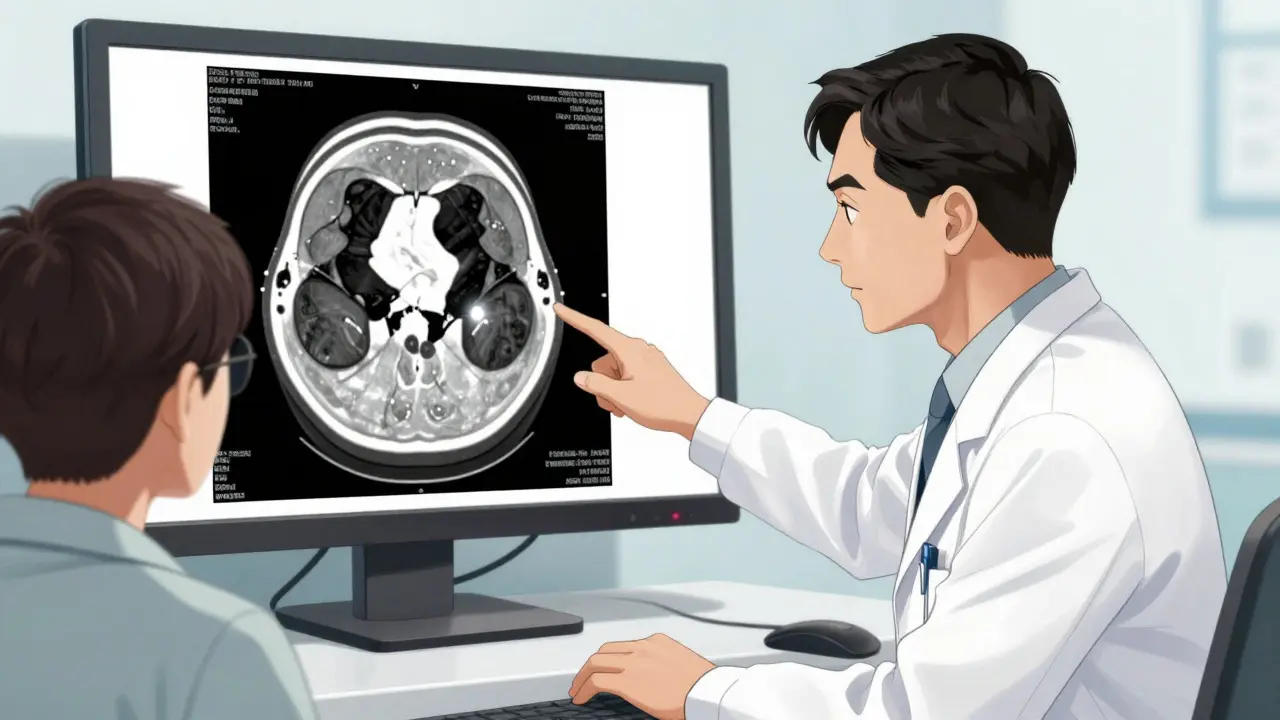
Diagnosis requires a combination of tests. Doctors start with standard thyroid function tests, including TSH, free T4, and free T3. They also measure anti-TSHR antibody levels, which often correlate with disease severity. Eye exams include vision testing, visual field assessment, and measurements of eyelid position.
Imaging plays a key role. Orbital CT or MRI scans help assess muscle enlargement. The medial rectus muscle is affected in most cases, followed by the inferior and superior rectus muscles. A Clinical Activity Score (CAS) helps determine if the disease is active. A score of 3 or higher indicates active inflammation requiring specific treatment. Early and accurate diagnosis prevents misidentification as allergies or sinus problems, which still happens in nearly half of initial consultations.
Treatment Options and Recent Advances
Treatment depends on the phase and severity of the disease. For mild active cases, selenium supplementation is often recommended. It has shown efficacy in reducing progression to more severe forms. For moderate to severe active disease, intravenous glucocorticoids remain a first-line option. However, they come with side effects like liver toxicity and glucose intolerance.
A major breakthrough came with the approval of Tepezza (teprotumumab) in 2020. This targeted therapy blocks the insulin-like growth factor-1 receptor. Clinical trials showed significant improvements in eye bulging and double vision. Most patients require eight infusions over several weeks. While effective, access can be challenging due to prior authorization requirements. Newer therapies are also in development, aiming to prevent the disease rather than just treat symptoms.
| Treatment Type | Best For | Key Benefit | Potential Side Effects |
|---|---|---|---|
| Selenium Supplements | Mild Active Disease | Reduces progression risk | Minimal |
| Intravenous Steroids | Moderate-Severe Active | Rapid inflammation reduction | Liver toxicity, high blood sugar |
| Tepezza (Teprotumumab) | Moderate-Severe Active | Targets root cause, improves proptosis | Muscle cramps, hearing changes |
| Orbital Surgery | Vision-Threatening Cases | Relieves optic nerve pressure | Surgical risks, infection |

Living with Thyroid Eye Disease
Managing TED is not just about medical treatment; it’s also about quality of life. Many patients report anxiety or depression related to their appearance and symptoms. Difficulty driving at night due to double vision is a common concern. Support groups and patient navigators can provide valuable guidance. Tracking symptoms using tools like the TED Tracker app helps monitor progress and communicate effectively with healthcare providers.
Smoking is a significant risk factor. It increases the likelihood of developing severe disease by nearly eight times. Quitting smoking is one of the most important steps you can take. Multidisciplinary care involving both endocrinologists and ophthalmologists leads to better outcomes. Coordinated clinics reduce the time to treatment initiation, helping patients get the right care faster.
Frequently Asked Questions
Can Thyroid Eye Disease happen without Graves' disease?
Yes, although rare. About 90% of cases are associated with hyperthyroidism from Graves' disease, but it can occur in people with hypothyroidism or even normal thyroid levels.
Is Tepezza safe for long-term use?
Most patients receive a finite course of eight infusions. Studies show that improvements are maintained long-term in responders. Monitoring for hearing changes is recommended post-treatment.
How quickly should I see a doctor if I suspect TED?
Ideally within 30 days of symptom onset. Early intervention during the active phase yields the best results. Delayed diagnosis can lead to permanent vision issues in severe cases.
Does smoking really make TED worse?
Yes. Smoking increases the risk of developing severe disease by 7.7-fold and reduces the effectiveness of treatments. Cessation is critical for better outcomes.
What is the Clinical Activity Score (CAS)?
It is a tool used to assess how active the inflammation is. A score of 3 or higher indicates active disease that needs treatment. It helps guide whether to use anti-inflammatory drugs or wait for stabilization.