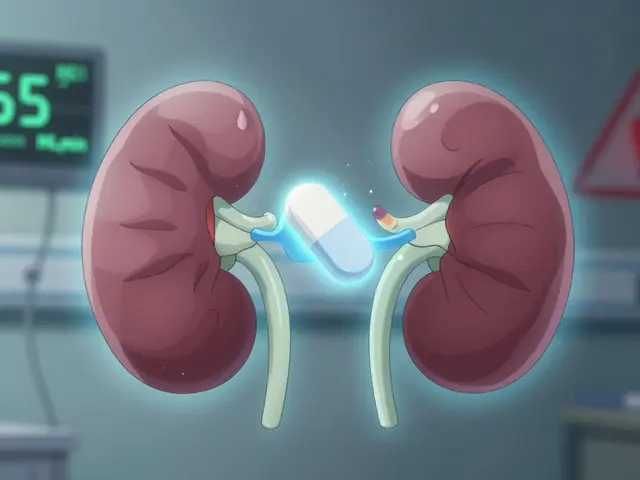
Living with chronic back or joint pain often feels like a losing battle. You try physical therapy, you take anti-inflammatories, maybe even opioids, but the pain keeps coming back. It’s exhausting. If conservative treatments have stopped working, you might be hearing about interventional pain procedures like nerve blocks and radiofrequency ablation (RFA). These aren’t just shots; they are targeted medical strategies designed to interrupt pain signals before they reach your brain.
But here is the catch: not every procedure works for every person, and confusing the two can lead to wasted time and money. A nerve block is often a temporary fix or a diagnostic test, while RFA is a longer-term solution that literally burns the nerve causing the pain. Understanding the difference between these two approaches is crucial if you want to make an informed decision about your care in 2026.
What Exactly Is a Nerve Block?
Nerve blocks are
minimally invasive injections of anesthetic or anti-inflammatory medication directly onto a specific nerve or group of nerves.
The goal is simple: stop the pain signal from traveling to the brain. Think of it as putting a mute button on a noisy speaker. Instead of treating the whole body with pills, doctors target the exact source of the noise.
There are two main types of nerve blocks you’ll encounter:
- Anesthetic Blocks: These use local anesthetics like lidocaine or bupivacaine. They numb the area completely but wear off quickly-usually within a few hours to a day.
- Corticosteroid Injections: These combine an anesthetic with steroids to reduce inflammation around the nerve. Relief can last weeks or even months, depending on the condition.
Why do doctors start with nerve blocks? Often, it’s for diagnosis. If you have lower back pain, it could be coming from your discs, your joints, or your muscles. A doctor will inject a small amount of anesthetic near the suspected nerve. If your pain disappears for a few hours, you’ve confirmed the source. This is called a diagnostic nerve block. Without this step, moving forward to more permanent solutions is risky because you might be treating the wrong spot.
Understanding Radiofrequency Ablation (RFA)
If a nerve block gives you significant relief but wears off too soon, Radiofrequency Ablation (RFA) is a procedure that uses heat energy to disable the nerve fibers transmitting pain signals. Also known as radiofrequency neurotomy, RFA is the next logical step for patients who respond well to diagnostic blocks but need longer-lasting results.
RFA doesn’t just mask the pain; it disrupts the nerve’s ability to send signals. Here is how it works:
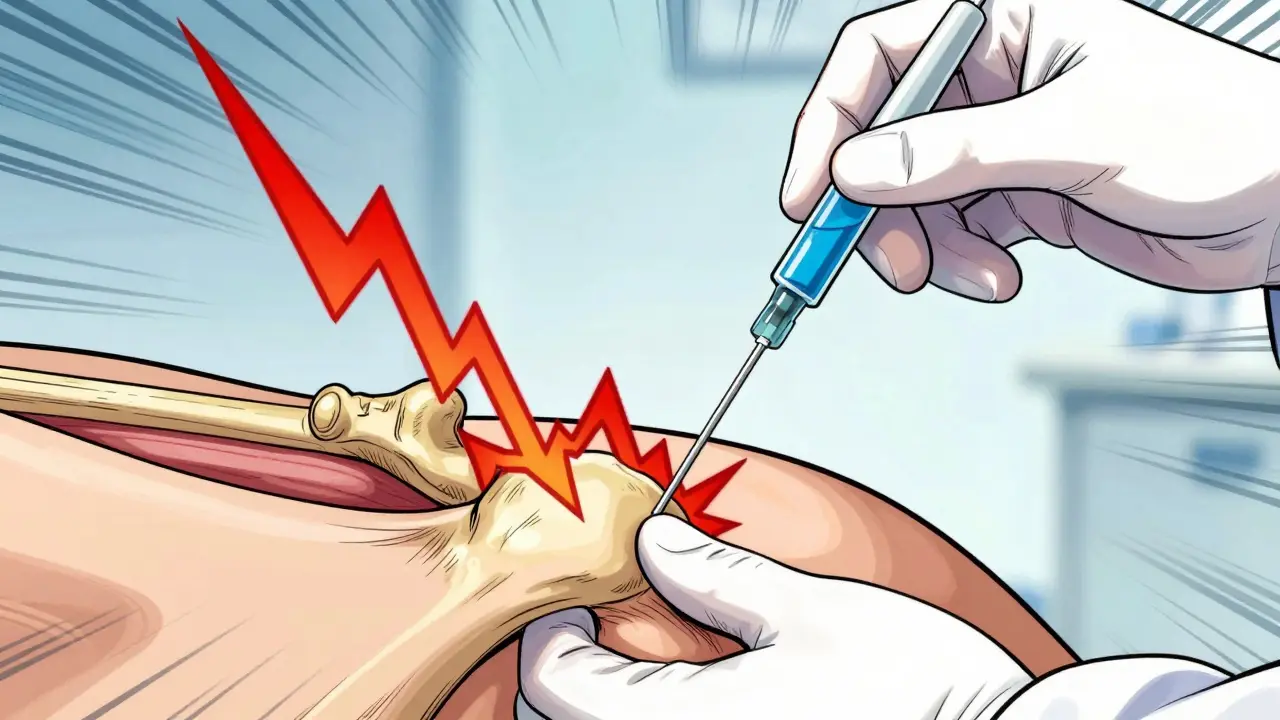
- Targeting: Under fluoroscopic guidance (real-time X-ray), the doctor inserts a thin needle electrode near the target nerve, such as the medial branches of the dorsal rami in facet joint pain.
- Testing: Before burning anything, the doctor sends tiny electrical pulses through the needle. You’ll feel a tingling sensation that mimics your usual pain. This confirms the needle is in the right place. Safety checks also ensure the needle isn’t touching motor nerves that control movement.
- Ablation: Once placement is confirmed, the doctor heats the tip of the needle to approximately 80-90 degrees Celsius. This creates a thermal lesion-a small scar tissue site-that destroys the pain-transmitting fibers (A-delta and C-fibers) while sparing the sensory and motor fibers.
The result? The nerve can no longer send pain signals to the brain. However, nerves regenerate. Over time, the nerve grows back, and pain may return. That’s why RFA is considered a long-term management tool rather than a permanent cure, typically providing relief for 6 to 24 months.
Nerve Blocks vs. RFA: Key Differences
It’s easy to mix these up since both involve needles and pain relief. But their roles in your treatment plan are very different. Let’s break down the comparison based on duration, purpose, and recovery.
| Feature | Nerve Block | Radiofrequency Ablation (RFA) |
|---|---|---|
| Primary Goal | Diagnosis or temporary relief | Long-term pain disruption |
| Mechanism | Chemical interruption (anesthetic/steroid) | Thermal destruction (heat lesion) |
| Duration of Relief | Hours to weeks (anesthetic); Weeks to months (steroid) | 6 to 24 months |
| Invasiveness | Minimally invasive injection | Minimally invasive with specialized equipment |
| Recovery Time | Immediate return to activity (mostly) | 24-48 hours of soreness, then normal activity |
| Success Rate | 30-50% for long-term relief beyond immediate period | 70-80% in appropriate candidates |
The key takeaway? You usually need a successful nerve block before you qualify for RFA. If the diagnostic block didn’t help, burning the nerve won’t either. According to data from Hospital for Special Surgery, patients who experience at least 50-80% pain relief from a diagnostic block are the ideal candidates for RFA.
Who Is the Right Candidate?
Not everyone with chronic pain should get an RFA. In fact, performing RFA on the wrong patient is one of the biggest causes of failed outcomes. Here is who typically benefits most:
- Facet Joint Pain Sufferers: This is the most common use case. Facet joints are the small stabilizing joints in your spine. When they become arthritic, they cause localized back pain. Studies show RFA has a 70-80% success rate for this specific type of pain.
- Knee Osteoarthritis Patients: Newer techniques like cooled RFA target the genicular nerves around the knee. Research indicates that 65% of patients maintain significant pain relief at six months, which is higher than standard steroid injections.
- Opioid Avoiders: If you want to reduce or eliminate opioid use, RFA is a powerful alternative. Data shows that 70% of RFA patients reduce or stop opioid medications after the procedure.
- Those Who Failed Conservative Care: If physical therapy, NSAIDs, and rest haven’t worked after several months, interventional options become viable.
Conversely, RFA is not a good fit if your pain is caused by nerve compression (like a herniated disc pressing on a nerve root) or central sensitization (where the brain amplifies pain signals regardless of the source). In those cases, surgery or neuromodulation (like spinal cord stimulation) might be better options.
The Procedure Experience: What to Expect
Knowing what happens during the appointment can reduce anxiety. Both procedures are outpatient, meaning you go home the same day. Here is the typical workflow for an RFA procedure, which follows a diagnostic block:
- Preparation: You’ll lie face down on an X-ray table. The skin is cleaned and numbed with a local anesthetic. You’ll remain awake but lightly sedated to stay comfortable.
- Guidance: The doctor uses fluoroscopy to see the bones and guide the needle precisely to the nerve. Accuracy is critical; even a millimeter off can mean missing the target.
- Sensory Testing: You’ll feel a buzzing sensation. The doctor adjusts the needle until the buzz matches your pain pattern. This step ensures the lesion will hit the right fibers.
- Motor Testing: The doctor sends a slightly stronger pulse to ensure you don’t twitch a muscle. If you twitch, the needle is too close to a motor nerve and must be moved.
- Lesion Creation: Once safe placement is confirmed, the heat is applied for 60-90 seconds per nerve. You might feel a deep warmth or pressure, but it shouldn’t be sharp pain.
The entire process takes about 20-45 minutes, depending on how many levels of the spine are treated. Afterward, you’ll rest for a short period before being discharged with a driver.
Recovery and Realistic Outcomes
One myth about RFA is that you wake up pain-free immediately. That’s rarely the case. Because the procedure involves creating a burn on the nerve, you’ll likely experience some soreness at the injection site for 3-7 days. This is normal post-procedural neuritis (inflammation).
True pain relief usually kicks in gradually over 2-4 weeks as the nerve fully stops transmitting signals. During this window, stick to gentle movements and avoid heavy lifting. Most people return to work within 3 days, according to Weill Cornell Medicine.
How long does it last? On average, 6 to 12 months. Some patients enjoy relief for up to two years. When the pain returns, you can repeat the procedure. There is no limit to how many times you can have RFA, though efficacy may decrease slightly with each iteration as scar tissue forms.
Risks and Limitations
Like any medical procedure, RFA carries risks, though they are generally low when performed by experienced specialists. Common side effects include:
- Temporary Increased Pain: As mentioned, nerve inflammation can cause a flare-up for a week or two.
- Bruising and Bleeding: Minor bruising at the needle site is common.
- Infection: Rare, but possible with any injection.
- Nerve Damage: If the needle slips, it could irritate nearby nerves, causing temporary weakness or numbness. This is why sensory/motor testing is mandatory.
The biggest limitation isn’t safety-it’s specificity. RFA only works if the pain comes from the specific nerve you target. If your pain is multifactorial (coming from multiple sources), RFA might relieve part of it but not all of it. This is why the diagnostic block is non-negotiable. Skipping it leads to a 20-30% failure rate due to incorrect targeting.
Cost and Insurance Coverage
Money matters. RFA costs between $3,000 and $5,000 per procedure in the United States. While this sounds steep, compare it to spinal fusion surgery, which can cost tens of thousands and requires months of recovery. Plus, RFA is often covered by Medicare and private insurance if you meet the criteria: documented chronic pain, failed conservative treatments, and a positive response to diagnostic blocks.
Always check with your provider beforehand. Some insurers require a trial of physical therapy or multiple failed injections before approving RFA. Keeping detailed records of your pain levels and previous treatments will help smooth the approval process.
Future Trends in Interventional Pain Care
The field is evolving rapidly. By 2026, we’re seeing more adoption of cooled RFA, which allows for larger lesion sizes without damaging surrounding tissue. This has expanded RFA’s use to complex areas like the knee and sacroiliac joint. Additionally, pulsed radiofrequency offers a non-thermal option that modulates pain signals without destroying the nerve, appealing to patients wary of permanent changes.
As the opioid crisis continues to drive demand for non-drug alternatives, RFA utilization has grown by 15% annually since 2018. With over 350,000 procedures performed yearly in the U.S., it’s becoming a standard second-line treatment. The goal isn’t just to manage pain but to restore function so you can live your life without being held back by discomfort.
Does RFA permanently cure pain?
No, RFA is not a permanent cure. It disables the nerve fibers responsible for sending pain signals, but nerves eventually regenerate. Most patients experience relief for 6 to 24 months before the procedure needs to be repeated.
Is RFA painful?
The procedure itself is done under light sedation and local anesthesia, so you shouldn't feel sharp pain. You might feel warmth or pressure during the heating phase. Afterward, you may experience soreness at the injection site for a few days, which is normal.
Can I drive myself home after RFA?
No. Because you receive sedation during the procedure, you must have someone drive you home. You should also avoid driving for at least 24 hours after the procedure.
What conditions is RFA best for?
RFA is most effective for facet joint-mediated back pain, sacroiliac joint pain, and knee osteoarthritis. It is less effective for radicular pain (sciatica) caused by disc herniations or nerve compression.
How do I know if I’m a candidate for RFA?
You are likely a candidate if you have chronic pain that hasn’t responded to conservative treatments like physical therapy or medication, and if you experienced significant relief (at least 50-80%) from a diagnostic nerve block.