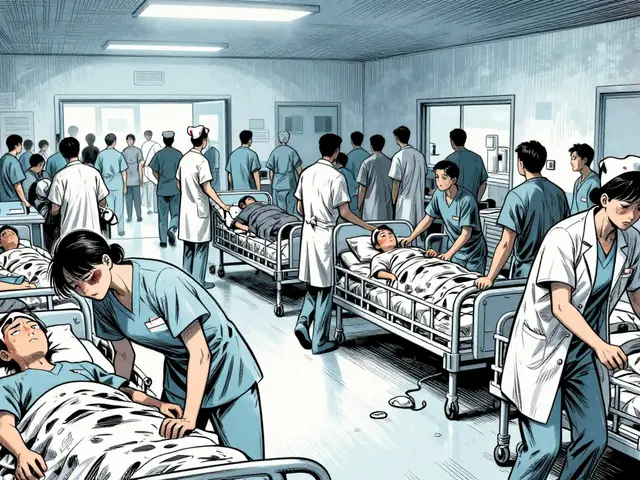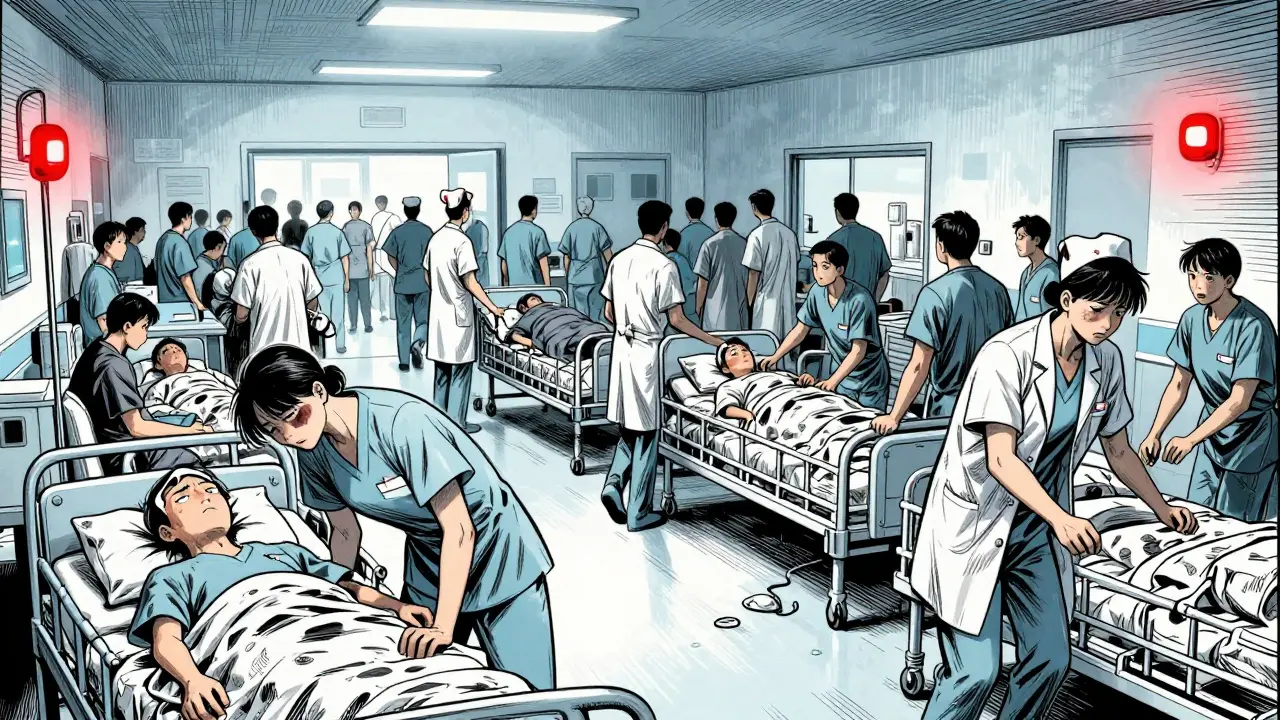
Walk into any emergency department in the United States today, and you will likely notice a tension that wasn’t as palpable just five years ago. The waiting rooms are fuller, the staff looks more exhausted, and the administrative hurdles seem higher. This isn’t just bad luck or a temporary blip; it is the direct result of a deepening healthcare system shortage that is reshaping how hospitals and clinics operate across the country. While headlines often focus on drug supply chains, the more immediate and damaging crisis is the lack of human hands to deliver care. With over 193,100 annual openings for registered nurses projected through 2032, the gap between patient need and available providers is widening at an alarming rate.
The Scale of the Workforce Deficit
To understand why your local clinic might be struggling to book appointments, we need to look at the numbers driving this crisis. The Health Resources and Services Administration (HRSA) estimates that the U.S. will face a shortfall of over 500,000 registered nurses by 2030. This isn't a future problem-it is happening now. In 2025 alone, facilities faced a deficit of roughly 78,610 full-time equivalent nurses. But it’s not just nursing. The Association of American Medical Colleges projects a physician shortage of 86,000 by 2036.
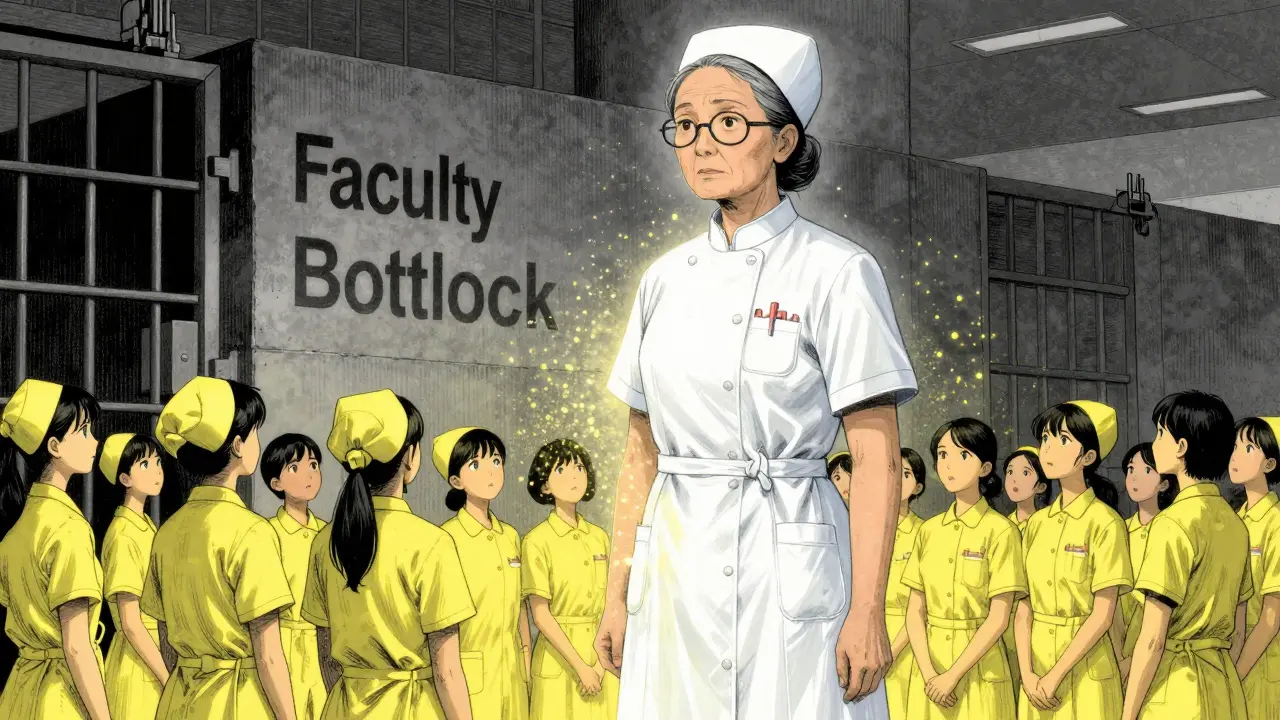
Where does this gap come from? It’s a perfect storm of demographics and burnout. Nearly 50% of current nurses are over age 50. As these experienced professionals retire, they are leaving behind a void that new graduates simply cannot fill fast enough. Nursing schools themselves are bottlenecked. In 2023, over 2,300 qualified applicants were rejected from nursing programs because there weren’t enough faculty members to teach them. You can’t train the next generation if you don’t have the teachers to guide them.
| Profession | Projected Shortage (Full-Time Equivalent) | Target Year | Primary Driver |
|---|---|---|---|
| Registered Nurses (RN) | 78,610 | 2025 | Retirement & Burnout |
| Physicians | 86,000 | 2036 | Aging Population & Training Limits |
| Nursing Faculty | 8.8% Vacancy Rate | 2024 | Lack of Clinical Incentives |
| Behavioral Health Specialists | 12,400 Unfilled Positions | 2024 | Mental Health Demand Surge |
Direct Impacts on Patient Care Quality
When hospitals run short on staff, the consequences aren’t just financial-they are clinical. Research published in JAMA shows that when nurse-to-patient ratios exceed 1:4, mortality rates increase by 7%. That statistic is staggering. It means that understaffing directly correlates with patients dying who otherwise might have survived. Dr. Atul Gawande, a leading surgeon and public health expert, has called this staffing crisis the "most significant threat to healthcare quality since the advent of antibiotics."
In practical terms, what does this look like for you? If you visit an understaffed emergency department, you can expect wait times that are 22% longer than normal. In rural areas, where vacancy rates are 37% higher than in urban centers, patients have reported waiting up to 72 hours for basic emergency care. Medication errors also rise. ICU nurses report that working 16-hour shifts with high patient loads leads to "near-miss" events where mistakes are caught only by chance. When staff are stretched thin, the safety nets that usually catch these errors begin to fray.
Hospitals vs. Clinics: Different Strains, Same Crisis
The shortage hits different parts of the healthcare ecosystem in unique ways. Large academic medical centers, which often have more resources and prestige, maintain staffing levels around 82%. However, rural community hospitals are operating at a precarious 67% staffing level. For a small-town hospital, losing one nurse or doctor can mean closing an entire unit or bed wing. One CEO noted that his system had to close 12 inpatient beds weekly due to staffing, costing millions in lost revenue but ensuring the safety of those who remained admitted.
Outpatient clinics face a different kind of pressure. Urban clinics operate at about 79% staffing, while rural clinics drop to 58%. This disparity creates a two-tiered system where access to primary care depends heavily on your zip code. Long-term care facilities are hit hardest, operating with 28% fewer nurses than pre-pandemic levels. This makes routine care for elderly residents difficult and increases the risk of complications like falls or infections.
The Financial and Operational Toll
Hospitals are trying to plug these gaps, but the cost is astronomical. Many facilities have turned to travel nurses to fill immediate voids. In 2023, travel nurses filled 12% of hospital positions. However, this solution comes with a steep price tag. Travel nurses can earn $185 per hour in high-demand areas like New York ICUs, while permanent staff in the same role might earn $65 per hour. This wage disparity creates resentment among permanent staff and drives up labor costs by 34%.
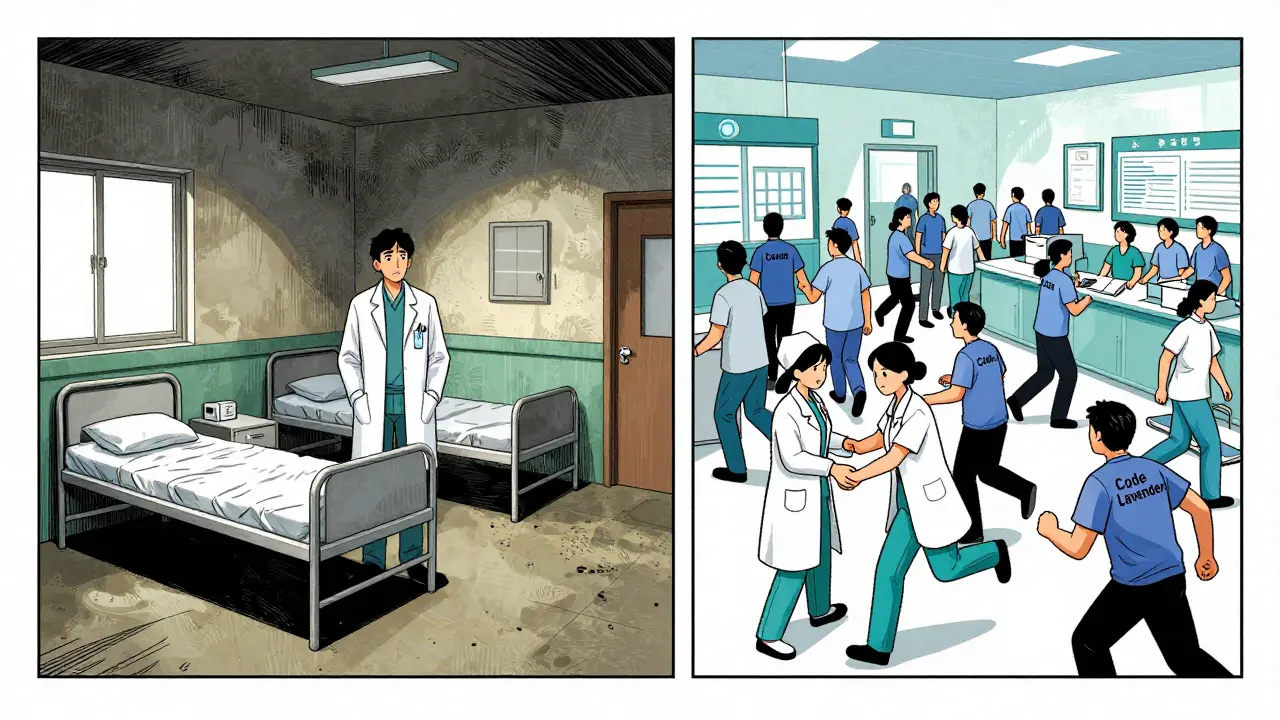
Administrators are also resorting to mandatory overtime. According to recent data, 68% of facilities use mandatory overtime at least twice a week. This practice accelerates burnout, creating a vicious cycle where staff leave faster, requiring even more overtime. To cope with the stress, some hospitals have implemented "Code Lavender" teams-rapid response units designed to support staff experiencing emotional distress or trauma during shifts. While well-intentioned, these measures treat the symptoms rather than the disease.
Technology and Innovation as Partial Solutions
Can technology solve a people problem? Experts believe it can help, but it won’t fix everything. Dr. Robert Wachter argues that AI-assisted diagnostics and remote monitoring could offset 30-40% of staffing gaps. We are seeing this in action with telehealth nurse triage programs, which reduced ER visits by 19% in pilot studies. However, implementing these tools is expensive and complex. A single health system might spend $2.3 million just to set up telehealth infrastructure.
Another hurdle is interoperability. Sixty-eight percent of facilities struggle with Electronic Health Record (EHR) systems that don’t talk to each other, making it hard to share patient data efficiently. Additionally, state licensing barriers delay cross-state telehealth staffing by an average of 112 days. Despite these challenges, digital literacy is becoming a requirement. By 2025, 79% of hospitals required basic AI tool proficiency for new nursing hires, up from just 28% in 2022.
What Is Being Done to Fix the Pipeline?
Efforts to address the root causes are underway, though they lag behind the urgency of the crisis. The Biden administration allocated $500 million in April 2025 for nursing education expansion and loan forgiveness. While welcome, experts estimate this covers only 18% of the funding needed to meet demand. The American Hospital Association launched its "Workforce Innovation Collaborative" in June 2025, aiming to train 50,000 new healthcare workers through accelerated programs.
Some states are finding success with targeted incentives. Massachusetts, for example, implemented loan forgiveness programs that helped reduce their nursing shortage to 8% below the national average. Other models, like the Mayo Clinic’s "Care Team Redesign," show that rethinking workflows can reduce turnover by 31%, though such initiatives require significant upfront investment and time to implement.
Why are there so many nurse vacancies right now?
The vacancy surge is driven by three main factors: an aging workforce with nearly 50% of nurses over age 50 retiring, high burnout rates exacerbated by pandemic-era stress, and a bottleneck in nursing education where faculty shortages prevent schools from accepting all qualified applicants.
How do staffing shortages affect my personal healthcare experience?
You may experience longer wait times in emergency departments (up to 22% longer), reduced access to primary care appointments, and potentially lower quality of care due to increased fatigue among staff, which correlates with higher rates of medical errors and hospital-acquired infections.
Are rural hospitals worse off than city hospitals regarding staffing?
Yes, significantly. Rural hospitals experience 37% higher vacancy rates than urban facilities. They operate at much lower staffing percentages (around 67% compared to 82% for academic centers) and often have to close beds or services entirely when key staff members leave.
Will AI replace nurses and doctors in the near future?
AI is unlikely to replace clinicians entirely but will augment their work. Experts suggest AI and remote monitoring could offset 30-40% of staffing gaps by handling documentation and routine monitoring, allowing humans to focus on complex patient interactions. However, implementation faces hurdles like cost, training time, and regulatory barriers.
What is "Code Laventer" in hospitals?
Code Lavender is a rapid response protocol used by some hospitals to support staff experiencing acute stress, trauma, or burnout. It sends a team of mental health professionals to provide immediate emotional support, acknowledging the human toll of understaffing and high-pressure environments.