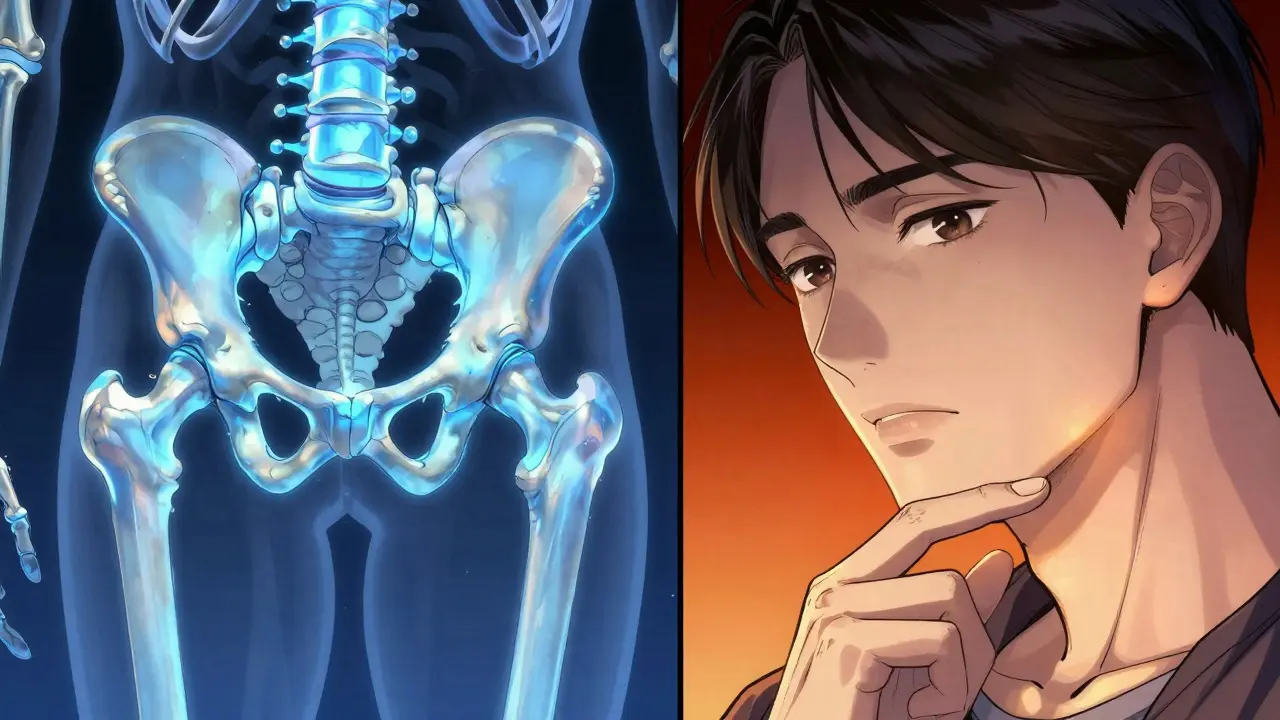
Imagine taking a medication to prevent a hip fracture, only to find out your jawbone is struggling to heal after a routine dental cleaning. It sounds like a nightmare, but for a very small number of people on osteoporosis drugs, this is a real clinical concern. The fear of jaw necrosis often overshadows the massive benefit these drugs provide, leaving patients caught between the risk of a broken bone and the risk of a dental complication.

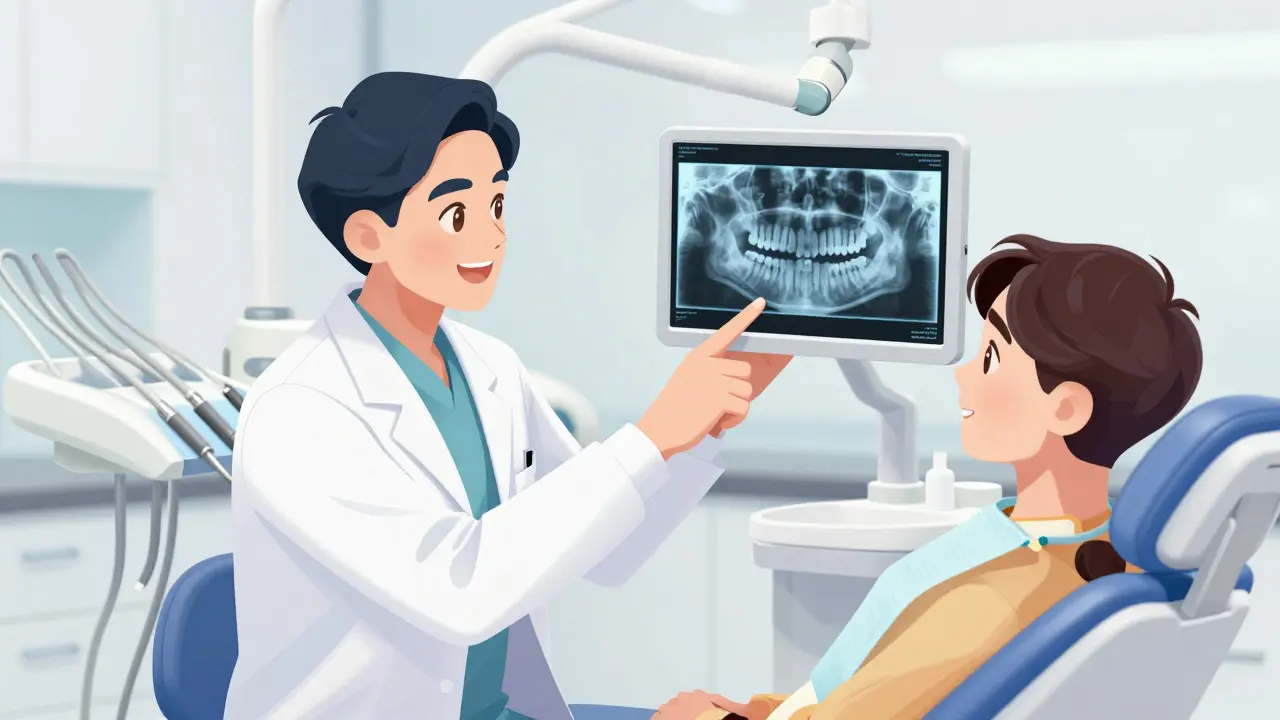
Bisphosphonates are
bone antiresorptive agents designed to inhibit the activity of osteoclasts, the cells that break down bone. By slowing this process, these medications increase bone density and significantly lower the chance of fractures. While they are incredibly effective, they change how the bone in your mouth behaves, which is where the risk of necrosis comes in.
The Key Takeaways
- Jaw necrosis (MRONJ) is extremely rare for people taking oral medications for osteoporosis.
- The risk is significantly higher for cancer patients receiving high-dose intravenous (IV) treatments.
- Good oral hygiene and dental check-ups before starting medication are the best ways to lower risk.
- The benefit of preventing life-altering fractures generally outweighs the small risk of jaw issues.
What Exactly is MRONJ?
Medication-related osteonecrosis of the jaw, or MRONJ is a condition where exposed bone in the jaw persists for more than eight weeks without a history of radiation therapy , it isn't a typical infection. Instead, it is a failure of the bone to remodel and heal. Your jawbone is unique because it turns over about 10 times faster than the long bones in your legs or arms. Because Bisphosphonates accumulate in the bone over time, the jaw becomes a focal point for the drug's effects. When you have a trigger-like a tooth extraction or a severe gum infection-the bone may not be able to heal the wound, leaving the bone exposed to the oral environment.
Comparing the Risks: Oral vs. IV vs. Other Drugs
Not all osteoporosis medications carry the same risk profile. If you are taking a weekly pill, your risk is drastically different from someone receiving an annual infusion or a monthly injection. The dose and the delivery method matter most.
| Medication Type | Example Drug | Delivery Method | Relative Risk Level | Primary Use |
|---|---|---|---|---|
| Oral Bisphosphonate | Alendronate (Fosamax) | Weekly Pill | Extremely Low | Osteoporosis |
| IV Bisphosphonate | Zoledronic Acid (Reclast) | Annual Infusion | Low | Osteoporosis |
| High-Dose IV | Zoledronic Acid | Monthly Infusion | Moderate to High | Cancer Bone Metastases |
| Monoclonal Antibody | Denosumab (Prolia) | 6-Month Injection | Low-Moderate | Osteoporosis |
For those using alendronate for osteoporosis, the risk is roughly 0.7 per 100,000 person-years. To put that in perspective, you are far more likely to experience a common side effect like heartburn than you are to develop MRONJ. However, Denosumab, while effective, has shown a slightly higher incidence of jaw necrosis-roughly 1.7 to 2.5 times higher than bisphosphonates-though it is still rare in the general osteoporosis population.
The Fracture Trade-off: Should You Stop the Medication?
A common question for patients facing dental surgery is: "Can I take a drug holiday?" A drug holiday means stopping the medication for a period to let the bone "reset." For IV bisphosphonates, some guidelines suggest a break after 3-4 years of therapy. However, this is a double-edged sword.
Recent data from 2024 shows that if you stop zoledronic acid for more than a year, your risk of jaw necrosis after a tooth extraction drops by about 82%. That sounds great, but there is a catch: your risk of a fragility fracture increases by 28%. This creates a difficult choice. Is the small chance of a jaw complication worse than the significantly increased chance of a broken hip or spine? For most patients, the answer is no. The Fracture Intervention Trial showed that long-term use of alendronate can cut hip fracture risk by 55% over a decade.
How to Protect Yourself and Your Jaw
You don't have to live in fear of your medication, but you should be proactive. The best defense against MRONJ isn't stopping the drug; it's maintaining a healthy mouth. If your gums are healthy and your teeth are stable, there is very little for the medication to "react“ to.
Before you start a new bone-strengthening regimen, get a full dental exam. Address any cavities, gum disease, or failing crowns immediately. If you are already on these meds, tell your dentist exactly what you are taking. A knowledgeable dentist won't necessarily refuse to pull a tooth, but they will take extra precautions, such as using antibiotics and ensuring the site heals properly before you leave the chair.
Keep an eye out for the warning signs. Early MRONJ often starts as exposed bone that doesn't heal, even if it isn't painful. If you notice a spot in your mouth where the skin seems to have "worn away" to reveal bone, or if you have persistent pain and swelling that won't go away, call your dentist immediately. Catching it early-in Stage 1-makes it much easier to manage than waiting until a pathologic fracture occurs.
The Future of Personalized Bone Care
We are moving away from a one-size-fits-all approach. Experts are now looking at biomarkers, like urinary NTX levels, to figure out who is actually at risk for jaw issues and who can stay on standard therapy without worry. The goal is risk-stratified treatment: high-risk patients might take shorter courses of bisphosphonates or switch to alternative agents, while low-risk patients continue the gold-standard therapy that keeps them mobile and fracture-free.
Does taking a weekly pill increase my risk as much as an IV drip?
No. Oral bisphosphonates like alendronate have a much lower risk of causing jaw necrosis compared to high-dose intravenous versions used in cancer treatment. While the risk isn't zero, it is considered exceedingly low for the average osteoporosis patient.
Can I still get dental implants if I'm on osteoporosis meds?
Yes, but it requires coordination. Many patients have successful implants while on bisphosphonates. The key is to have a dentist who understands the medication and ensures your oral health is optimized before the procedure to minimize the risk of bone exposure.
What are the early symptoms of jaw necrosis?
The earliest sign is often a patch of exposed bone in the mouth that doesn't heal. In some cases, there are no symptoms at all until a routine dental check-up. As it progresses, you might experience pain, swelling, or an infection in the jaw area.
Will stopping my medication completely remove the risk?
Not immediately. Some bisphosphonates have a very long "half-life," meaning they stay in your bone for years-sometimes over a decade-after your last dose. While a long break (over 365 days) can reduce risk, it doesn't eliminate it entirely and may increase your risk of a fracture.
Is Denosumab safer than Bisphosphonates for my jaw?
Not necessarily. While Denosumab doesn't stay in the bone as long as bisphosphonates do, some studies suggest it may actually have a slightly higher incidence of jaw necrosis in certain populations. You should discuss your specific risk factors with your doctor.
Next Steps and Troubleshooting
If you are currently taking a bone-strengthening medication and feel anxious about your dental health, follow these steps:
- Audit your medications: Make a list of every dose and the date you started. This helps your dentist determine your "cumulative dose."
- Schedule a "Baseline" Exam: If you haven't already, get a full set of X-rays and a periodontal check-up to ensure there are no hidden infections.
- Communicate: Tell your dentist specifically: "I am taking [Drug Name] for osteoporosis. I want to make sure we have a plan to minimize the risk of MRONJ during any future procedures."
- Monitor: If you notice any unusual soreness or exposed bone after a procedure, don't wait for your next six-month cleaning. Call your provider immediately.






Posts Comments
Billy Wood April 14, 2026 AT 22:15
Keep your teeth clean!!! That is the key!!! Do not let fear stop you!!! Stay strong!!!
Clint Humphreys April 16, 2026 AT 19:24
It is just so interesting how they frame this as a 'rare' side effect while simultaneously telling you that the drugs literally stay in your skeleton for a decade, and honestly, it's kind of a friendly reminder that the pharmaceutical complex loves to bury the scary stuff until the lawsuits become too expensive to ignore, but I'm sure the 28% increase in fracture risk is just a little coincidence and not a sign that we are basically trading one kind of bone decay for another in a giant experiment on the elderly.
Ikram Khan April 17, 2026 AT 08:54
Whoa!! This is such a wake-up call! 😱 I had no idea that a simple dental cleaning could actually be a trigger for something so serious! It's like a total rollercoaster of emotions reading this! But hey, let's stay positive and just be super proactive with our oral health! We can beat the odds! 💪✨
rupa das April 18, 2026 AT 20:02
rare or not these risks are always understated by doctors
Brooke Mowat April 20, 2026 AT 10:08
Life is such a weird juxtoposition isnt it like we try to save our hips only to risk our smiles and its all just a big dance with destiny and a bit of chemestry... maybe the real bone strength is just the friends we made along the way though i guess i should probly go floss my teeth now before my jaw decides to retire early haha
Shaylia Helland April 21, 2026 AT 23:26
i remember my aunt going through something similar and she was just so terrified to even go for a checkup because of the things she read online but once she found a dentist who actually listened to her it really changed her whole outlook on the treatment because having someone who just holds space for your anxiety makes the medical side of things feel so much less clinical and cold
john chiong April 23, 2026 AT 17:05
absolutely abysmal that we have to gamble with our own faces just to keep from crumbling like old chalk
Write a comment