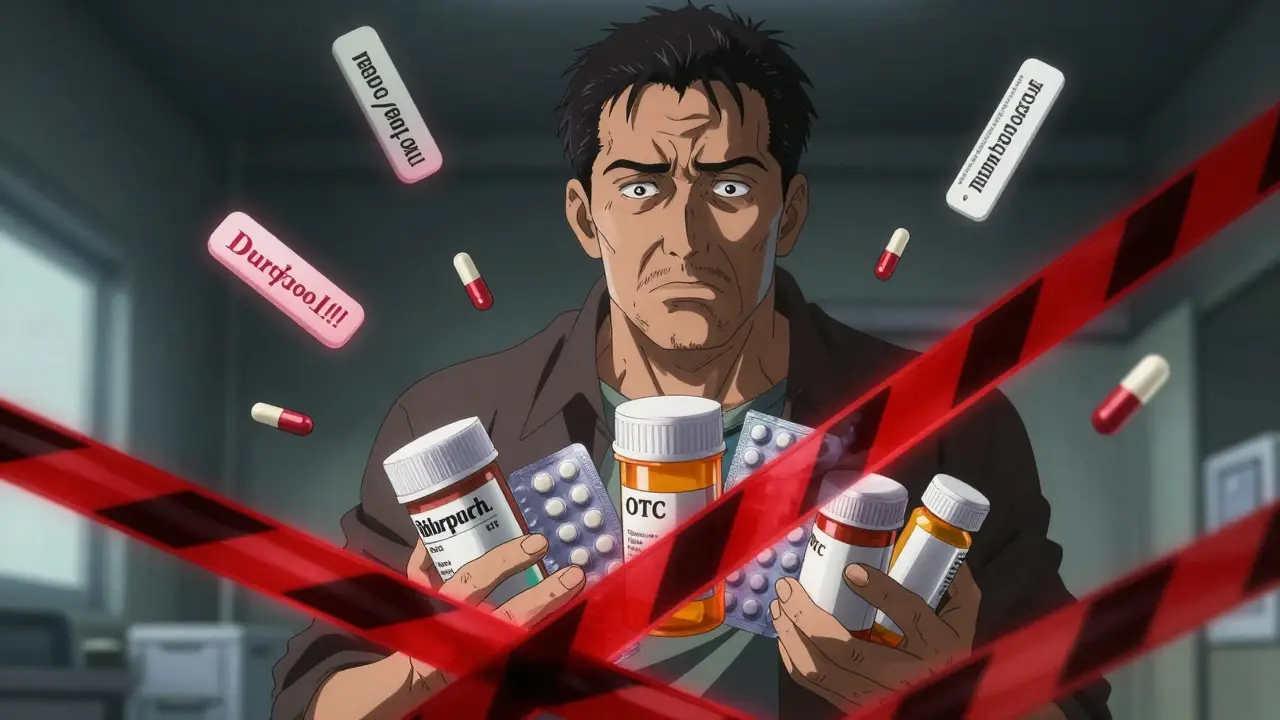
Every year, millions of people in the UK take over-the-counter (OTC) meds without thinking twice - a headache pill here, a cold remedy there, maybe a sleep aid after a rough night. But what most don’t realize is that these seemingly harmless pills can clash dangerously with their prescription drugs. You might be taking warfarin for your heart, levothyroxine for your thyroid, or an SSRI for depression - and that extra ibuprofen or antihistamine could be quietly sabotaging your treatment.
Why OTC Medications Are Riskier Than You Think
People assume OTC means safe. It doesn’t. Just because you don’t need a prescription doesn’t mean it’s harmless. In fact, the OTC medication interactions with prescription drugs are one of the most underreported causes of hospital admissions in the UK and US. Studies show drug interactions account for nearly 7% of all hospitalizations - and OTC drugs are a big part of that. The problem? Most patients never tell their doctor they’re taking something from the pharmacy shelf. A WebMD survey found that 67% of people don’t mention OTC meds to their healthcare provider. That’s a massive blind spot. Your GP knows about your blood pressure pill, but not the cold tablet you took last week - even though that tablet contains the same active ingredient as your prescription.Three Deadly Interactions You Need to Know
Not all OTC drugs are equal when it comes to risk. Some are ticking time bombs when mixed with common prescriptions. Here are the top three dangerous combinations you must check:- NSAIDs + Blood Thinners (like warfarin or clopidogrel): Ibuprofen, naproxen, and even aspirin can increase your risk of internal bleeding by 2 to 4 times. If you’re on warfarin for atrial fibrillation, that extra painkiller for your knee could lead to a life-threatening bleed. Even low-dose aspirin for heart protection loses its effect if you take ibuprofen regularly - the NSAID blocks aspirin’s antiplatelet action.
- Acetaminophen + Multiple Cold Medicines: Acetaminophen (paracetamol) is in over 200 OTC products - cold remedies, flu tablets, sinus relief, even some sleep aids. Taking two or three at once can easily push you past the 4,000mg daily limit. Exceeding that can cause sudden, silent liver failure. One patient in Bristol took a cold tablet at night, then a painkiller at lunch, then a sleep aid before bed - all with acetaminophen. She ended up in the hospital with acute liver injury. She didn’t know any of them had the same ingredient.
- SSRIs + Dextromethorphan or Tramadol: Many people take cough syrups with dextromethorphan for a bad cough, not realizing it can cause serotonin syndrome when mixed with antidepressants like sertraline or fluoxetine. Symptoms? Agitation, rapid heart rate, high fever, muscle rigidity. It’s rare, but deadly. Tramadol, sometimes prescribed for pain, does the same thing. Both raise serotonin levels - and when combined with SSRIs, the body can’t handle the overload.
What About Antacids, Sleep Aids, and Vitamins?
It’s not just painkillers and cold meds. Even the quiet ones can cause trouble.- Antacids with thyroid meds: If you take levothyroxine for hypothyroidism, don’t take an antacid like Gaviscon or Maalox within four hours. Aluminum and magnesium in antacids can block up to 25% of the thyroid hormone from being absorbed. You might think your dose is fine - but your TSH levels are climbing because your body isn’t getting the full dose.
- First-gen antihistamines with sedatives: Diphenhydramine (Benadryl) is in many sleep aids and allergy pills. Combine it with a prescription benzodiazepine or opioid painkiller, and you’re looking at extreme drowsiness, confusion, or even falls. Elderly patients are especially at risk. One 72-year-old in Bristol fell twice after mixing her prescription anxiety med with a nighttime allergy pill. Both contained anticholinergics - a dangerous combo.
- Vitamins and minerals: Iron, calcium, zinc, and magnesium supplements can bind to antibiotics like tetracycline or fluoroquinolones, making them useless. If you take a multivitamin with your antibiotic, wait at least two hours. Same goes for thyroid meds - take them on an empty stomach, away from anything with calcium or iron.
Foods That Interact With Your Meds (Yes, Really)
You wouldn’t think a banana or a slice of cheese could interfere with your meds - but they can.- Tyramine-rich foods + MAO inhibitors: If you’re on an older antidepressant like phenelzine or tranylcypromine, avoid aged cheeses, cured meats, soy sauce, and tap beer. These foods contain tyramine, which can trigger a sudden, dangerous spike in blood pressure - sometimes leading to stroke.
- Grapefruit + statins or blood pressure meds: One grapefruit or glass of grapefruit juice can block the enzyme that breaks down drugs like simvastatin or amlodipine. That means your body absorbs way more of the drug than intended. Result? Muscle damage, low blood pressure, even kidney failure.
- Alcohol + painkillers or antidepressants: Mixing alcohol with acetaminophen increases liver damage risk. With benzodiazepines or opioids, it can slow your breathing to dangerous levels. Even with SSRIs, alcohol can make depression worse and increase dizziness.
Who’s at Highest Risk?
Some people are walking into these interactions without even knowing it.- People over 65: On average, they take five or more medications daily - including OTCs. More pills = more chances for conflict.
- People with liver or kidney disease: Their bodies can’t clear drugs the way healthy ones do. Even normal doses can build up to toxic levels.
- People with chronic conditions: Diabetes, heart disease, asthma - all come with specific drug restrictions. OTC meds can make those conditions worse.
How to Protect Yourself: A Simple Checklist
You don’t need to be a pharmacist to stay safe. Just follow these steps before you take any new OTC medicine:- Read the label. Look for the active ingredient - not just the brand name. If it says “acetaminophen,” “ibuprofen,” or “diphenhydramine,” you need to know what else you’re taking.
- Check for duplicates. If you’re already taking a prescription with acetaminophen (like co-codamol), don’t add another product with it.
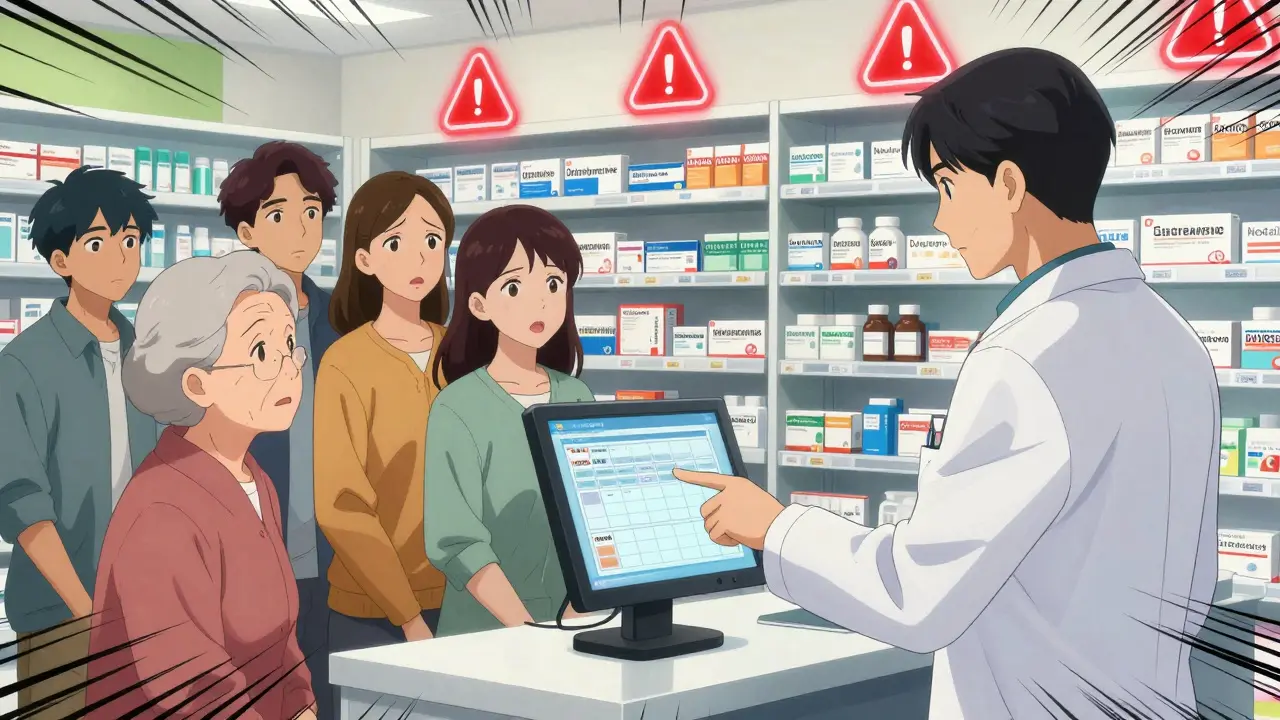
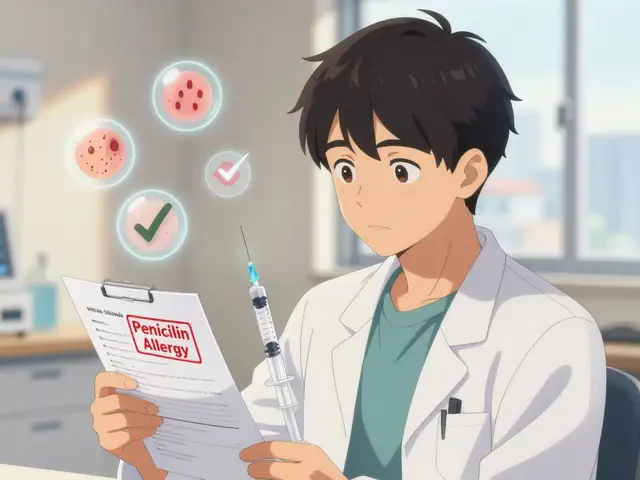
- Ask your pharmacist. Walk into any UK pharmacy and say: “I’m on [list your meds]. Is it safe to take this cold tablet?” Pharmacists are trained to spot interactions - and they’re free to ask.
- Keep a written list. Write down every pill, supplement, and herbal remedy you take - including doses and why you take them. Bring it to every doctor’s appointment.
- Use a drug checker. WebMD and NHS Choices have free online interaction checkers. Enter your prescription and the OTC you’re thinking of taking. It’ll flag risks.
What to Do If You’ve Already Mixed Them
If you’ve accidentally taken a risky combo - don’t panic, but don’t wait either.- Stop taking the OTC drug immediately.
- Call NHS 111 or your GP. Tell them exactly what you took and when.
- If you feel dizzy, confused, nauseous, have chest pain, or notice unusual bruising or bleeding - go to A&E. Don’t wait.
Final Thought: OTC Doesn’t Mean Risk-Free
The idea that “if it’s sold on a shelf, it’s safe” is outdated - and dangerous. OTC meds are powerful chemicals. They interact with your body, your prescriptions, and sometimes your food. The more meds you take, the more you need to treat them like a puzzle - each piece has to fit perfectly. You wouldn’t drive a car without checking the oil. Why take a pill without checking if it’s safe with what you’re already on? Talk to your pharmacist. Keep a list. Read the label. It’s not complicated - but it could save your life.Can I take ibuprofen if I’m on blood pressure medication?
It depends. Ibuprofen and other NSAIDs can raise blood pressure by 5-15 mmHg and reduce the effectiveness of drugs like lisinopril or losartan. If you have high blood pressure, avoid regular use of ibuprofen. Paracetamol (acetaminophen) is usually safer for pain relief in this case - but still check with your pharmacist.
Is it safe to take paracetamol with antidepressants?
Yes, paracetamol is generally safe with most antidepressants, including SSRIs like sertraline or escitalopram. Unlike NSAIDs, it doesn’t increase bleeding risk or interfere with serotonin. But don’t exceed 4,000mg per day, and avoid mixing it with other products that contain paracetamol - like cold or flu remedies.
Why do some OTC meds say “May interact with prescription drugs” but don’t say which ones?
Manufacturers are required to warn about potential interactions, but they often can’t list every possible combination due to space limits. The FDA and MHRA now require clearer labeling on high-risk products, but many older products still have vague warnings. Always check the active ingredient and cross-reference it with your prescription using a reliable tool or pharmacist.
Can I take a sleep aid if I’m on a prescription for anxiety?
Be very careful. Many OTC sleep aids contain diphenhydramine, which adds to the sedative effect of benzodiazepines (like diazepam) or other anxiety meds. This can cause extreme drowsiness, confusion, or falls - especially in older adults. Talk to your doctor first. There are safer, non-drug options for sleep, like improving sleep hygiene or using melatonin (with medical advice).
How do I know if I’ve taken too much acetaminophen?
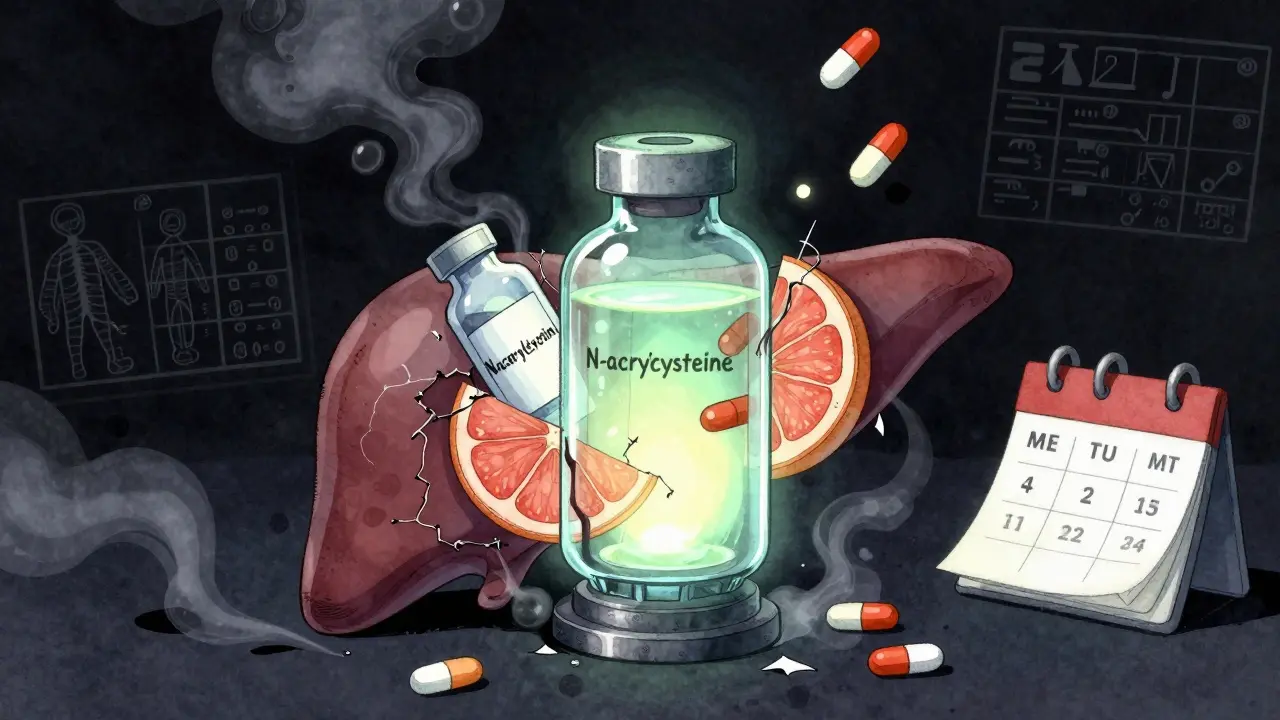
The danger is silent. You might feel fine for the first 24 hours. But after that, nausea, vomiting, loss of appetite, and pain in the upper right abdomen can appear. By then, liver damage may already be happening. If you’ve taken more than 4,000mg in 24 hours - even if you feel okay - get medical help immediately. Early treatment with N-acetylcysteine can prevent permanent damage.
Are herbal supplements safer than OTC pills?
No. St. John’s Wort can reduce the effectiveness of birth control, antidepressants, and blood thinners. Garlic and ginkgo can increase bleeding risk when taken with warfarin. Turmeric can interfere with blood sugar control. Just because it’s “natural” doesn’t mean it’s safe. Always tell your pharmacist if you’re taking herbal products.


Posts Comments
Retha Dungga January 2, 2026 AT 11:36
so i just took a cold pill with tylenol last night and i’m on lisinopril 😅 my heart’s been doing somethin’ weird today… maybe i’m just paranoid? 🤔
Sara Stinnett January 3, 2026 AT 08:14
Let me be the first to say this: the entire pharmaceutical-industrial complex thrives on your ignorance. OTC meds are deliberately designed to be confusing - vague labels, hidden ingredients, and that pathetic ‘may interact’ disclaimer? It’s not negligence. It’s business model. The FDA doesn’t regulate these like prescriptions because they don’t want you to know how many of them are barely one step above snake oil. Wake up. You’re not being careless - you’re being exploited.
And don’t get me started on ‘natural’ supplements. St. John’s Wort? That’s not herbal tea - it’s a CYP450 enzyme saboteur. You think your ‘wellness routine’ is safe? You’re just a walking pharmacokinetic disaster waiting for a blood test.
linda permata sari January 4, 2026 AT 09:03
OMG I just had a flashback to my tía in Mexico who took ibuprofen with her blood thinner and ended up in the ER with a GI bleed 😭 I screamed at her for weeks - ‘Mami, it’s not just a pill!’ - but she said ‘it’s just from the store!’
Now I make my whole family write down every single thing they take - even that ‘harmless’ ginger tea. If it’s in your body, it’s in the conversation. 💪🏽❤️
Brandon Boyd January 5, 2026 AT 20:55
You got this. Seriously - reading the label isn’t just advice, it’s self-defense. And asking your pharmacist? That’s not being annoying - that’s being smart. You don’t need to be a doctor to save your own life.
Start small: next time you grab something off the shelf, pause for 10 seconds. Ask: ‘What’s in this?’ and ‘What am I already taking?’ That’s your new habit. One pause. One question. One less trip to the hospital.
And if you’re on meds - tell your pharmacist everything. Even that ‘just a vitamin’ you take. They’ve seen it all. They won’t judge. They’ll thank you.
Paul Huppert January 7, 2026 AT 06:21
Did anyone else notice that the article didn’t mention grapefruit and statins until way down in the foods section? That’s a huge one. I had no idea one glass could mess with my simvastatin like that. I’ve been drinking it every morning for years. 😳
Hanna Spittel January 7, 2026 AT 16:00
the government knows. they want you to mix meds so you get sicker and need more pills. also, 5G is in the painkillers. 🧠💊
Brady K. January 8, 2026 AT 16:51
Oh, so now we’re treating OTC meds like they’re some kind of benign snack food? Please. Ibuprofen is a COX inhibitor with a half-life that outlasts your willpower. Acetaminophen? A liver grenade with a 24-hour fuse. And don’t even get me started on dextromethorphan - that’s not cough syrup, that’s a serotonin tsunami in a 30ml bottle.
Pharmacists aren’t ‘free advice’ - they’re the last line of defense between you and a toxicology report. And yet, we treat them like customer service reps. This isn’t a grocery run. It’s a biohazard assessment.
And yes, ‘natural’ supplements are the most dangerous of all - because no one’s auditing them. You think your turmeric capsule is ‘clean’? Good luck finding the actual milligrams of curcumin in there. Or the heavy metals. Or the undisclosed SSRI they added because ‘it sells better.’
Kayla Kliphardt January 8, 2026 AT 18:10
I’ve started keeping a little notebook with my meds - even the ones I only take once in a while. I didn’t realize how much I was forgetting until I tried to explain it to my doctor and blanked on half of them. It’s weirdly empowering to write it down.
Also, I just asked my pharmacist about my sleep aid and she said ‘oh honey, that’s diphenhydramine - don’t mix it with your anxiety med.’ I had no idea. Thank you, unsung heroes of the pharmacy counter.
Stewart Smith January 8, 2026 AT 19:52
the real tragedy? The people who need this info the most - elderly folks, low-income families, non-native speakers - are the least likely to see it.
And yet, we’re all just scrolling past it like it’s another ad. We’re so numb to ‘health warnings’ that we don’t even blink anymore.
…I’m gonna print this out and leave it on my mom’s fridge.
Write a comment