How Europe Buys Generic Medicines Through Public Tendering
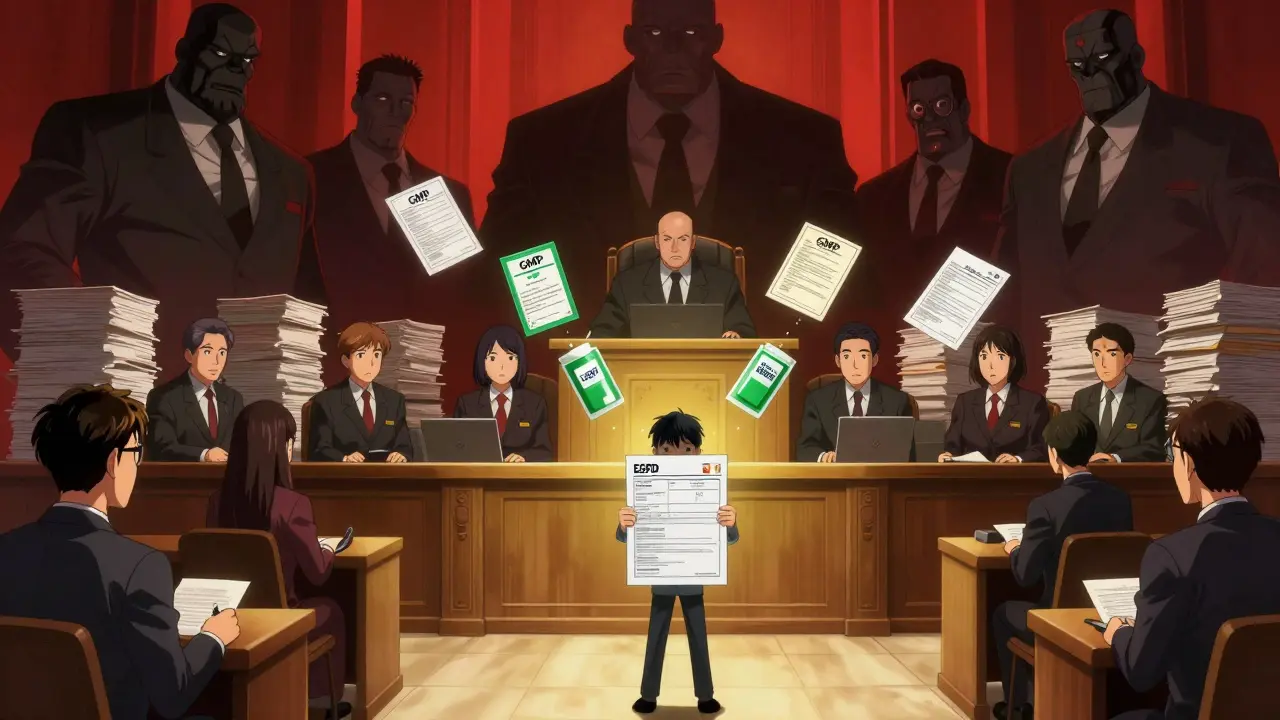
Every year, European governments spend over €2 trillion on public contracts. Roughly one in seven euros of the EU’s GDP goes toward buying things like roads, schools, and - critically - generic medicines. But how does a country like Germany or Spain pick which generic drug supplier gets the contract? It’s not about who offers the lowest price alone. It’s not about who has the biggest sales team. It’s about a tightly regulated, cross-border system called tendering.
In the pharmaceutical world, generic drugs make up over 80% of medicines dispensed in EU hospitals and pharmacies. But they’re not cheap because they’re easy to make. They’re cheap because the system forces suppliers to compete - fiercely - on price, quality, and reliability. And that system? It’s built on rules written in Brussels, enforced in national courts, and executed by public buyers who can’t just pick their favorite company.
The Five Ways Europe Tenders for Generic Drugs
There are five main ways public health authorities in Europe buy generic medicines. Each has its own strengths, costs, and risks. The most common? The Open procedure. This is the simplest: any company that meets the basic legal requirements can submit a bid. No pre-screening. No hidden lists. Just a public notice in the Official Journal of the European Union, and anyone with a valid license can respond.
But open tendering isn’t always practical. If a hospital needs 50 different generic drugs every quarter, managing hundreds of bids for each is a nightmare. That’s where the Restricted procedure comes in. Here, buyers first invite suppliers to apply for a shortlist. Only those who pass a qualification check - proving they meet quality standards, financial stability, and delivery capacity - get to submit a full bid. It cuts down the noise, but it also blocks new entrants. A small Polish generic maker might not have the resources to jump through 20 hoops just to get a chance to bid.
Then there’s the Competitive Negotiated procedure. This is used when the product is complex - think a new generic version of a biologic drug, or a medicine with tricky storage needs. The buyer talks to suppliers first, figures out what’s really needed, then invites a few to refine their offers. It’s flexible, but it’s also risky. If the buyer doesn’t document every conversation, someone can accuse them of favoritism. The European Court of Auditors found that 37% of these procedures in 2022 lacked proper paperwork.
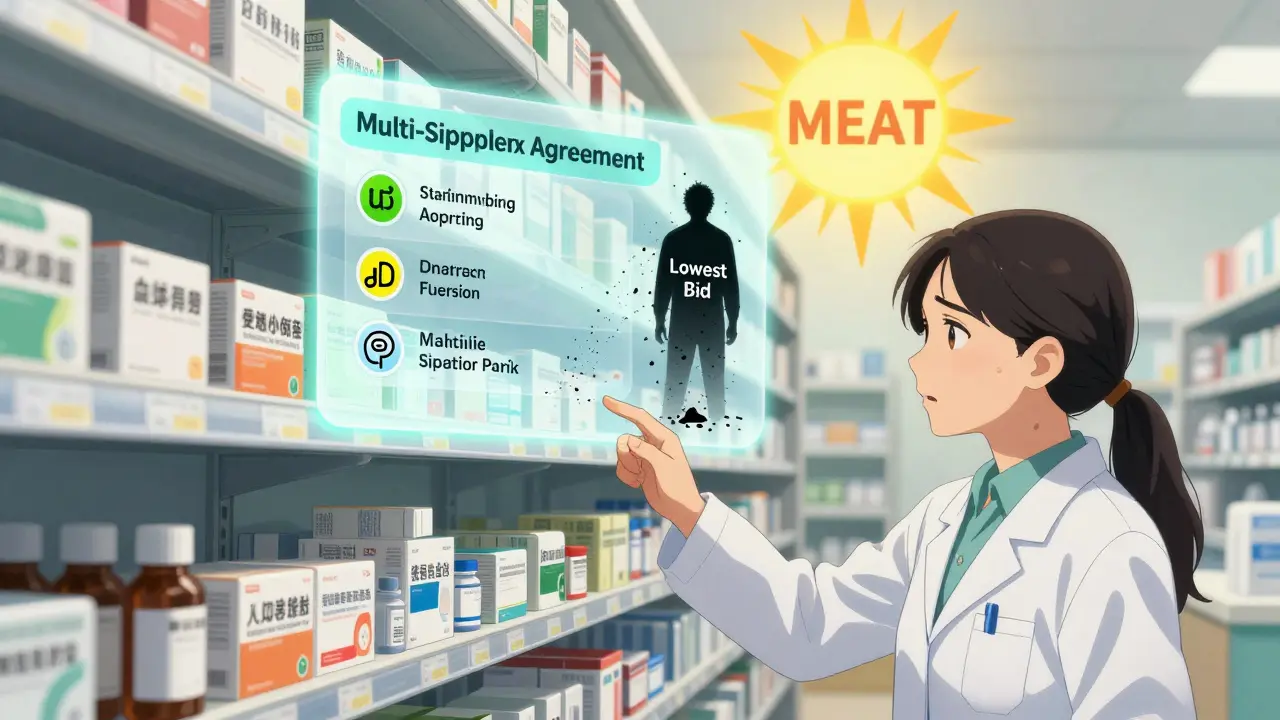
For recurring purchases - say, insulin or metformin - many health systems use Framework Agreements. Think of it like a pre-approved supplier list. Once a hospital signs a framework with three generic makers, they can just pick from those three whenever they need more stock. No new tender. No new paperwork. But here’s the catch: if the framework is only with one supplier, you lose competition. Multi-supplier frameworks are better. They keep prices low and give buyers leverage.
And then there’s the Competitive Dialogue. This is for big, messy projects - like digital prescribing systems or nationwide drug tracking platforms. It’s not common for simple generics, but it’s growing. Suppliers and buyers talk back and forth until the requirements become clear. The Finnish Innovation Fund used this to cut smart grid costs by 32%. But in Spain, a €180 million rail signaling contract collapsed after 18 months because the specs were too vague. The lesson? Dialogue only works if you know what you’re talking about.
MEAT: Why Lowest Price Isn’t the Winner
For years, the default rule was: lowest bid wins. But that led to problems. Cheap generics sometimes meant poor quality, late deliveries, or suppliers who vanished after the contract started. So Europe changed the game.
Now, the standard is MEAT - Most Economically Advantageous Tender. It means you don’t just look at price. You look at quality, delivery reliability, environmental impact, and even after-sales support. For generics, that might mean:
- How well does the supplier maintain GMP (Good Manufacturing Practice) certification?
- What’s their track record for on-time delivery across Europe?
- Do they use sustainable packaging?
- Can they provide batch traceability?
A 2023 study by the European Public Procurement Observatory found that health authorities using MEAT saw 15.7% more innovation in their drug supply chains. That doesn’t mean fancy new pills. It means better packaging that reduces waste, digital tools that track stock levels in real time, or suppliers who help hospitals manage shortages.
Since 2022, EU rules require that at least 50% of the scoring in any tender over €1 million must go to non-price factors. That’s a big deal. It stops buyers from choosing a supplier who offers €0.01 less per tablet but can’t deliver on time.

Who Wins? Who Loses? The Real Impact on Businesses
For big generic manufacturers - like Teva, Mylan, or Sandoz - the EU tendering system is a well-oiled machine. They have teams of lawyers, compliance officers, and bid writers. They know how to read CPV codes (the EU’s classification system for procurement), fill out the European Single Procurement Document (ESPD), and submit bids in multiple languages.
But for small and medium-sized enterprises? It’s brutal. A 2023 Eurochambres survey found that small businesses spend 117 hours on average per tender submission. That’s nearly three full workweeks. One German supplier told the Procurement Leaders forum they had to submit 87 separate documents just to get on a framework with Deutsche Bahn. For a small pharmacy chain? That’s not a cost - it’s a dealbreaker.
And even if they win? It’s not always worth it. A French SME owner complained on LinkedIn that after spending six months qualifying for a €200,000 framework agreement, she only got two mini-tenders in 18 months. The effort cost her €15,000 in staff time. She lost money.
That’s why 41% of small EU businesses abandon tender opportunities. They can’t afford the risk. Meanwhile, large companies use these systems to lock out competition. They dominate framework agreements. They have the scale to absorb the administrative burden. And they often bid below cost just to get into the system - then raise prices later.
What’s Changing? Digital Tools, Green Rules, and AI
The EU is trying to fix the system. The European Single Procurement Document (ESPD) went live in 2023. It’s a digital form that replaces 30 different paper certificates. Suppliers answer a single set of questions, and the system auto-verifies their data with national registries. It cut administrative time by 40% in early adopters like the Netherlands and Denmark.
Green rules are also tightening. In 2023, 68% of high-value health tenders included sustainability criteria. That means packaging must be recyclable. Transport must be low-emission. Suppliers must prove they don’t use child labor in their supply chains. By 2028, 75% of big drug tenders will require circular economy standards.
And now, AI is stepping in. Pilot programs in France and Finland are using machine learning to score bids. The systems check for consistency, flag duplicate submissions, and even spot if a bid looks too low to be realistic. One pilot cut evaluation time by 30% and maintained 99.2% accuracy. That’s not replacing humans - it’s making them faster and fairer.
By 2027, the EU wants 95% of all public tenders to be electronic. That’s up from 76% in 2022. Digital systems mean less corruption, less paperwork, and more transparency. But only if all member states play by the same rules.
The Big Gap: Northern vs. Southern Europe
Here’s the uncomfortable truth: the EU’s tendering system works better in some countries than others. Nordic nations like Finland and Denmark have 92% electronic tendering. Their portals are clean, clear, and easy to use. Suppliers get real-time updates. Bids are scored objectively.
In Southern and Eastern Europe? Only 43% of tenders are electronic. Some portals are still in PDF. Some require faxed documents. Some don’t even publish the evaluation criteria until after the deadline. That’s not just inefficient - it’s discriminatory. It blocks foreign suppliers. It favors local companies with connections.
The European Court of Auditors warned in 2023 that this fragmentation threatens the entire single market. If a Spanish hospital can’t understand a bid from a Romanian supplier because the documents are in the wrong format, then the system fails.
What Happens When the System Breaks?
It breaks often. In 2022, the European Court of Justice issued 147 rulings on procurement disputes. Most were about:
- Unfair selection criteria (e.g., requiring €10 million in annual sales for a €500,000 contract)
- Hidden preferences for local suppliers
- Failure to document why MEAT was used instead of lowest price
One case in Italy involved a tender for generic antibiotics. The buyer scored bids based on “brand reputation” - even though the drugs were identical. The court ruled it illegal. The buyer had to restart the tender. It cost taxpayers €220,000 in delays and legal fees.
That’s the cost of poor implementation. It’s not just money. It’s patients waiting for medicine. It’s hospitals running out of stock. It’s trust broken.
How to Win a European Generic Tender
If you’re a supplier trying to break into the EU market, here’s what actually works:
- Start with TED - the Tenders Electronic Daily portal. Set up email alerts for CPV code 22431000-7 (pharmaceutical products).
- Use the ESPD. It’s free. It’s digital. It’s the only form you need for most bids.
- Don’t just bid on price. Highlight delivery reliability, packaging sustainability, and technical support.
- Join a multi-supplier framework. Even if you don’t win a mini-tender right away, you’re in the system.
- Learn the rules. The proportionality principle is your friend. If a buyer asks for 10 years of financial statements for a €100,000 contract, challenge it. It’s against EU law.
Successful bidders don’t just send documents. They build relationships. They attend pre-tender consultations. They ask questions. They show they understand the buyer’s pain points - like stockouts, expired inventory, or supply chain delays.
The system isn’t perfect. But it’s the best we have. And for patients across Europe, it’s the only thing keeping generic medicines affordable, safe, and available.
What is the most common tendering method used for generic drugs in Europe?
The Open procedure is the most common, used in about 45% of EU public tenders. It allows any qualified supplier to submit a bid without prior screening. This ensures maximum competition, which keeps prices low - especially important for high-volume generic medicines. However, it’s also the most administratively heavy for buyers, so many health authorities use the Restricted procedure for recurring purchases.
Why doesn’t Europe just pick the lowest bid for generics?
Lowest price alone can lead to poor quality, late deliveries, or suppliers who disappear after winning. Since 2022, EU rules require that at least 50% of the scoring in high-value tenders must go to non-price factors like quality, reliability, sustainability, and after-sales support. This is called MEAT - Most Economically Advantageous Tender. It ensures that the cheapest bid doesn’t become the most expensive in the long run due to disruptions or recalls.
How do small generic manufacturers compete in EU tenders?
Small firms struggle with the paperwork - an average of 117 hours per tender - but they can win by targeting multi-supplier framework agreements. These let them compete in mini-tenders without reapplying each time. Using the digital European Single Procurement Document (ESPD) cuts administrative costs by 40%. Also, focusing on niche products, reliable delivery, or sustainable packaging can make them stand out against big players who bid on volume alone.
What role does sustainability play in EU generic drug tenders?
Sustainability is now mandatory in 68% of high-value tenders. Suppliers must prove their packaging is recyclable, their transport has low emissions, and their manufacturing meets environmental standards. By 2028, 75% of major drug tenders will require circular economy criteria. This isn’t just greenwashing - it’s a cost-saving move. Sustainable packaging reduces waste, lowers storage costs, and cuts disposal fees for hospitals.
Are EU tendering rules the same in every country?
The core rules come from EU directives, so they’re legally binding everywhere. But implementation varies wildly. Nordic countries have digital, user-friendly portals with 92% electronic tendering. In parts of Southern and Eastern Europe, portals are outdated, documents are in PDF, and some still accept faxed bids. This creates unfair advantages and blocks cross-border competition - something the European Court of Auditors has warned could undermine the entire single market.
What’s the future of generic drug tendering in Europe?
The future is digital, green, and smarter. By 2027, 95% of tenders will be electronic. AI will help score bids faster and more fairly. Sustainability will be embedded in every major contract. And the European Commission is pushing for standardized training for public buyers to fix the gap between Northern and Southern Europe. The goal? A system where any qualified supplier - big or small, from Lisbon to Tallinn - can compete on equal terms.




Posts Comments
Jeffrey Hu January 8, 2026 AT 22:27
The Open procedure dominates EU generic tendering because it’s the only method that forces true competition - no pre-screening, no insider lists. But let’s be real: it’s a logistical nightmare for public buyers. Imagine managing 300 bids for a single antibiotic contract. That’s not efficiency - that’s bureaucratic chaos. The system works on paper, but in practice? It’s a paper mill with a side of corruption.
Drew Pearlman January 10, 2026 AT 04:27
I just want to say how incredibly inspiring it is to see Europe pushing for MEAT instead of just chasing the lowest price. It’s not just about saving money - it’s about saving lives through reliability, sustainability, and smart innovation. The fact that they’re requiring recyclable packaging and low-emission transport? That’s not policy. That’s progress. And honestly? The U.S. should be taking notes. We’re still stuck in the ‘cheapest bid wins’ dark ages. 🌍💊
Chris Kauwe January 11, 2026 AT 00:13
Let’s cut through the neoliberal fog: the EU tendering system isn’t about fairness - it’s about control. The MEAT framework is a velvet glove over an iron fist. Big pharma already owns the CPV codes, the ESPD, the digital infrastructure. Small players? They’re just cannon fodder for the corporate machine. The ‘digital transformation’ is just a rebranding of monopolization. And don’t get me started on ‘sustainability criteria’ - it’s greenwashing with a GDPR stamp. The real winners? The consultants who write the tender guidelines. They’re the ones cashing in.
Meghan Hammack January 11, 2026 AT 00:45
OMG I’m crying. This is actually so beautiful. 🥹 The fact that they’re thinking about delivery reliability and packaging waste? That’s not just smart - that’s HEART. I work in healthcare admin and I’ve seen hospitals run out of insulin because some ‘cheapest bidder’ vanished after the contract. This system? It’s saving lives. And yes, small companies struggle - but they CAN win. You just have to believe. And use the ESPD. And maybe cry a little. 💪❤️
RAJAT KD January 12, 2026 AT 15:48
Small firms spend 117 hours per tender. That’s absurd. The system is designed to exclude. The ESPD helps, but only if national portals are functional. In India, we have similar issues - bureaucracy as a barrier to entry. The EU must standardize portals or risk fracturing the single market. This isn’t policy. It’s structural violence against SMEs.
Matthew Maxwell January 14, 2026 AT 00:42
It is profoundly disturbing that any public authority would prioritize ‘sustainability’ or ‘after-sales support’ over the fundamental economic principle of price minimization. The very notion of MEAT is a moral hazard - it incentivizes inefficiency under the guise of ‘innovation.’ When taxpayer money is spent, it must be spent with ruthless, unemotional precision. The EU’s drift toward ideological procurement is not reform - it is the erosion of fiscal responsibility. This is not governance. It is activism with a procurement form.
Lindsey Wellmann January 14, 2026 AT 06:40
Okay but like… imagine being a small generic maker in Romania trying to submit a bid through a PDF portal that doesn’t even load on your phone 😭 and then you find out the evaluation criteria were posted 3 days AFTER the deadline 🤯 like… is this a joke? I’m not even mad. I’m just… so sad. 🫠💔 #TenderingTrauma #EUProcurementGrief
Angela Stanton January 15, 2026 AT 09:58
Let’s analyze the data: 68% of high-value tenders now include sustainability KPIs. That’s a 220% increase since 2019. But here’s the kicker - only 14% of SMEs can even measure their carbon footprint across the supply chain. The ‘green transition’ is a wealth transfer mechanism. It’s not about emissions - it’s about filtering out competitors who can’t afford ESG consultants. The AI scoring tools? They’re trained on data from big pharma bids. So the algorithm learns to favor the same 5 companies. This isn’t innovation. It’s algorithmic capture.
Alicia Hasö January 16, 2026 AT 04:47
To every small business reading this: you are not broken. The system is. You don’t need to be as big as Teva to matter. Use the ESPD. Join a framework. Focus on one thing you do better than anyone else - maybe it’s your delivery window, your recyclable blister packs, or your customer service. One mini-tender win changes everything. I’ve seen it. I’ve coached it. You’ve got this. And if you need help? DM me. I’ll send you the checklist I use with 37 startups last year. You’re not alone. 💪✨
Write a comment