
Did you know that your baby relies entirely on your thyroid hormone for brain development during the first trimester? If you take levothyroxine is a synthetic thyroid hormone used to treat hypothyroidism by replacing or supplementing the thyroxine (T4) naturally produced by the thyroid gland, this biological reality means your medication needs will change almost immediately after conception. Many women are shocked to learn that their pre-pregnancy dose is often insufficient once they get a positive test result. The stakes are high: untreated or under-treated hypothyroidism can lead to miscarriage, preterm birth, and lower IQ scores in children. But here is the good news-with the right dose adjustments and strict monitoring, you can protect your baby’s development and keep your own health stable.
Why Your Thyroid Needs More Medication During Pregnancy
Pregnancy puts a massive strain on your body, and your thyroid is no exception. When you conceive, your body produces human chorionic gonadotropin (hCG), which stimulates the thyroid gland. At the same time, estrogen levels rise, causing an increase in thyroid-binding globulin (TBG). This protein binds to thyroid hormones in your blood, leaving less "free" hormone available for your body and your growing baby to use. As a result, your thyroid has to work harder to produce more hormone, and if it can’t keep up-which is common in women with hypothyroidism-you need more medication.
The data is clear. A significant study published in the National Institutes of Health database showed that median levothyroxine dosages increased from 85.7 mcg per day before conception to 100.0 mcg per day in the first trimester. That is a 16.7% increase on average. Dr. Rebecca Smith, who chaired the American Thyroid Association (ATA) guidelines committee, notes that requirements typically jump by 30-50% during pregnancy, with most of that increase needed in those critical early weeks. Your baby’s brain develops rapidly between conception and 12 weeks, and since the fetal thyroid doesn’t start working until around week 12, your maternal thyroid hormone is the only source available. Missing this window can have lasting effects on cognitive development.
How Much to Increase Your Dose: Practical Strategies
So, how do you actually adjust your dose? There are two main approaches depending on whether you already knew you were hypothyroid or if this is a new diagnosis.
If you have pre-existing hypothyroidism, the ATA recommends increasing your dose by 20-30% as soon as you confirm pregnancy. You don’t need to wait for a doctor’s appointment to start this. A practical way to achieve a 30% increase is to take two extra doses per week. For example, if you normally take one pill every morning, you would add an extra dose on Tuesdays and Saturdays. This method is easy to remember and avoids the need to buy different strength pills immediately.
| Scenario | Recommended Action | Source/Guideline |
|---|---|---|
| Pre-existing Hypothyroidism (Confirmed Pregnancy) | Increase dose by 20-30% (e.g., 2 extra doses/week) | American Thyroid Association (ATA) |
| Pre-existing Hypothyroidism (Aggressive Approach) | Increase by 50 mcg immediately | ACOG Practice Bulletin No. 223 |
| Newly Diagnosed (TSH ≥10 mIU/L) | Start at 1.6 mcg/kg/day | Thyroid.org / ATA Guidelines |
| Newly Diagnosed (TSH <10 mIU/L) | Start at 1.0 mcg/kg/day | Thyroid.org / ATA Guidelines |
| Severe Hypothyroidism (TSH >20 mIU/L) | Increase by 75-100 mcg/day | American Family Physician (AAFP) |
Some providers, following the American College of Obstetricians and Gynecologists (ACOG), suggest a more aggressive immediate increase of 50 mcg upon confirmation. If your TSH was already high before pregnancy, this might be necessary. However, the 20-30% rule is a safe starting point for most women with well-controlled levels prior to conception. Always consult your endocrinologist or OB-GYN, but don’t hesitate to ask about increasing your dose right away rather than waiting for lab results.
The Critical Role of TSH Monitoring
Adjusting your dose is only half the battle. You must monitor your Thyroid Stimulating Hormone (TSH) levels frequently to ensure you aren’t over- or under-dosing. The goal is to keep your TSH within specific ranges for each trimester. While there is some debate among experts, the ATA generally recommends keeping TSH below 2.5 mIU/mL in the first trimester, while the Endocrine Society allows up to 3.0 mIU/mL in the second and third trimesters.
Here is a realistic monitoring schedule based on guidelines from the American Family Physician (AAFP):
- 4-6 weeks gestation: Check TSH immediately after adjusting your dose.
- Every 4-6 weeks until 20 weeks: This is when demand changes fastest.
- 24-28 weeks: Mid-pregnancy check.
- 32-34 weeks: Late pregnancy check to prepare for delivery.
Why is this frequency important? Research shows that 85% of women with pre-existing hypothyroidism need dose increases during pregnancy, and 75% of them need these adjustments in the first trimester alone. Waiting too long between tests can mean your TSH drifts out of range for weeks, potentially affecting your baby. One patient, 'ThyroidMom2022', shared her anxiety on EndocrineWeb forums after her doctor delayed a dose increase despite rising TSH levels. Her story highlights why proactive monitoring is essential. Don’t be afraid to advocate for yourself; if your provider wants to "wait and see," gently remind them of the ATA guidelines recommending checks every four weeks.

Avoiding Common Pitfalls: Absorption and Timing
You can take the perfect dose, but if your body doesn’t absorb it, it won’t help. Levothyroxine is notoriously finicky. To maximize absorption, take your pill on an empty stomach with water, and wait at least 30-60 minutes before eating or drinking anything else (except water).
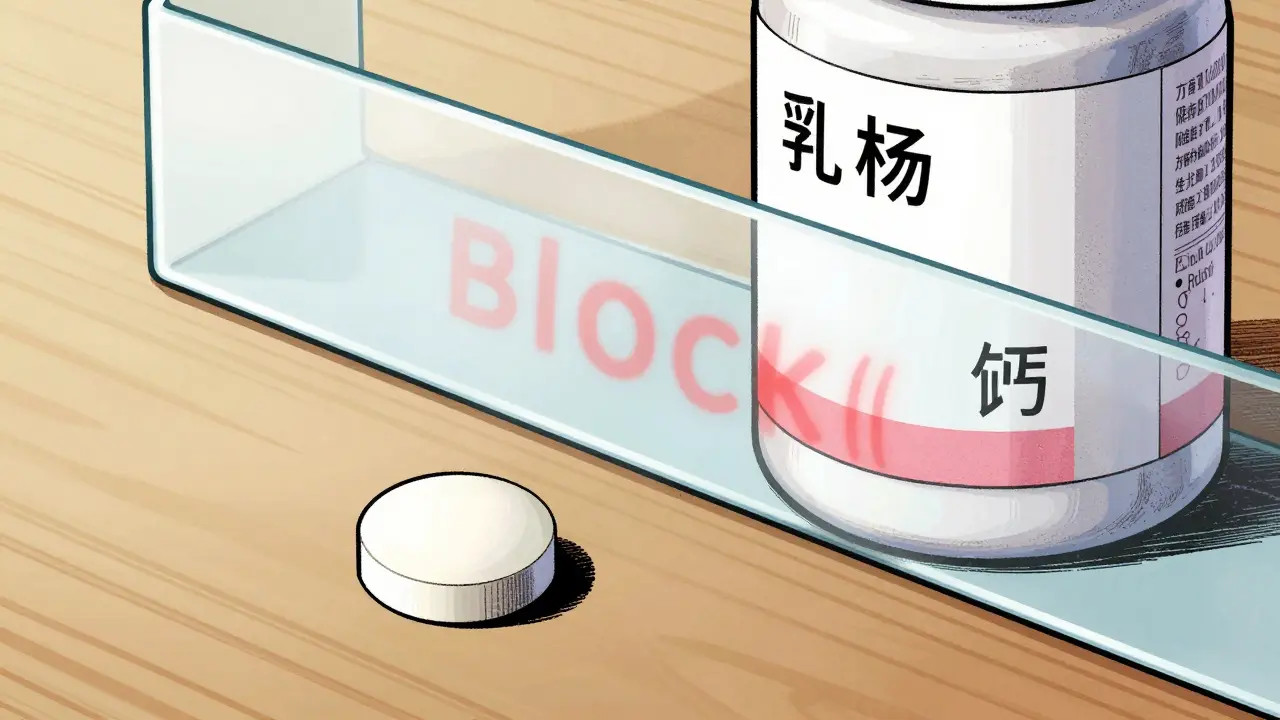
Be especially careful with prenatal vitamins. Most contain iron and calcium, which can reduce levothyroxine absorption by 35-50%. Take your prenatal vitamin at least 4 hours apart from your thyroid medication. A common routine is taking levothyroxine first thing in the morning and your prenatal vitamin with lunch or dinner. Also, avoid taking antacids or proton pump inhibitors close to your thyroid dose, as they can interfere with absorption.
Another subtle issue is the "weekend effect." If you use the strategy of taking two extra doses per week (e.g., Tuesday and Saturday), you might notice higher TSH levels on Monday mornings because your body has processed the extra doses. This isn’t necessarily bad-it just means your weekly average is correct. However, if you prefer smoother levels, you can space the extra doses differently, such as adding half-doses on multiple days, though this requires splitting pills. Discuss this with your pharmacist or doctor to find what works best for your schedule.
What Happens After Delivery?
Your thyroid hormone needs will drop back to pre-pregnancy levels quickly after birth. In fact, continuing your elevated pregnancy dose postpartum can lead to symptoms of hyperthyroidism, such as anxiety, rapid heartbeat, and insomnia. Most doctors recommend returning to your pre-pregnancy dose immediately after delivery or within a few weeks. However, you should still have your TSH checked six weeks postpartum. This is also a crucial time to screen for postpartum thyroiditis, an autoimmune condition that can cause temporary hyperthyroidism followed by hypothyroidism. Symptoms include extreme fatigue, weight gain, and depression. If you experience these, mention your history of thyroid issues to your provider.
Should I stop taking my thyroid medication during pregnancy?
No, never stop taking your thyroid medication without consulting your doctor. Levothyroxine is FDA Pregnancy Category A, meaning it is considered safe and essential for both you and your baby. Stopping medication can lead to severe complications, including miscarriage and impaired fetal brain development.
How soon after finding out I’m pregnant should I adjust my dose?
Ideally, immediately. The American Thyroid Association recommends increasing your dose by 20-30% as soon as pregnancy is confirmed. Since thyroid hormone demand rises with conception, waiting for a doctor’s appointment can delay necessary treatment. Contact your provider right away to discuss this adjustment.
Can I take my prenatal vitamin at the same time as my thyroid medication?
No, you should not. Iron and calcium in prenatal vitamins can block the absorption of levothyroxine by up to 50%. Take your thyroid medication on an empty stomach in the morning and wait at least 4 hours before taking your prenatal vitamin or any supplements containing iron or calcium.
What are the target TSH levels during pregnancy?
Targets vary slightly by guideline. The ATA generally recommends TSH ≤ 2.5 mIU/mL in the first trimester. The Endocrine Society suggests TSH ≤ 2.5 mIU/mL in the first trimester and up to 3.0 mIU/mL in the second and third trimesters. Your doctor may set personalized targets based on your history and antibody status.
Do I need to change my dose after giving birth?
Yes, usually. Your thyroid hormone requirements drop back to pre-pregnancy levels quickly after delivery. Most women return to their pre-pregnancy dose immediately or within a few weeks. However, you should have your TSH checked six weeks postpartum to ensure proper dosing and screen for postpartum thyroiditis.