Is Vaping Actually Safer? The Reality Behind the Vapor
You’ve heard it a thousand times: "Vaping is just water vapor." It sounds harmless, right? Like breathing in steam from a hot shower. But if you look closer at what’s actually coming out of that device, the picture changes fast. While e-cigarettes were originally pitched as a safer alternative to traditional tobacco cigarettes, the scientific consensus has shifted significantly since their introduction. Today, we know that inhaling aerosolized chemicals puts your lungs under serious stress.
The core problem isn't just nicotine addiction; it's the physical impact on your respiratory system. Even without tar or combustion, vaping introduces foreign substances deep into your airways. This article breaks down exactly what those substances are, how they damage lung tissue, and what the latest evidence says about long-term health risks. If you’re wondering whether swapping smoke for vapor is a win for your lungs, the answer is complicated-and largely depends on your current habits.
What’s Really Inside That Cloud?
To understand the risk, you have to understand the ingredients. Most people assume e-liquid is just flavoring and nicotine dissolved in water. In reality, the base liquids are usually propylene glycol and vegetable glycerin. When heated by the coil in your device, these substances turn into an aerosol-a fine mist of liquid particles suspended in air.
Here’s where it gets tricky. A study from the University of North Carolina found that these base ingredients can be toxic to cells, especially when mixed with other components. The more additives in the liquid, the higher the toxicity. Beyond the base, the aerosol often contains:
- Volatile Organic Compounds (VOCs): Chemicals like benzene, which is also found in car exhaust and gasoline fumes.
- Heavy Metals: Nickel, tin, and lead can leach from the heating coils into the vapor you inhale.
- Flavoring Agents: Many popular flavors contain diacetyl, a chemical linked to severe lung disease.
- Formaldehyde and Acrolein: These carcinogenic aldehydes form when the e-liquid overheats during vaping.
The American Lung Association highlights that acetaldehyde, acrolein, and formaldehyde are particularly dangerous because they directly irritate lung tissue and contribute to cardiovascular problems. So, while you aren’t burning tobacco leaves, you are still inhaling a cocktail of potentially harmful substances.
EVALI: The Warning Shot We Couldn’t Ignore
If you need proof that vaping can cause acute, life-threatening lung injury, look no further than the 2019 outbreak of EVALI (E-cigarette or Vaping Use-Associated Lung Injury). During this crisis, thousands of Americans were hospitalized, and dozens died from severe lung damage.
Investigations revealed that the primary culprit was vitamin E acetate, a thickening agent used in illicit THC-containing vaping products. While this specific incident was tied to black-market cannabis cartridges, it exposed a broader vulnerability: our lungs are not designed to process oily substances or unregulated additives. The EVALI outbreak served as a stark reminder that "natural" or "flavored" does not mean safe. It showed how quickly unregulated substances in vaping products can overwhelm the body’s defenses, leading to pneumonia-like symptoms, chest pain, and respiratory failure.
Even though the immediate crisis subsided after regulations tightened on THC vapes, the underlying mechanism-chemical irritation and immune suppression-remains relevant for all types of vaping. The lesson learned was clear: introducing unknown chemicals into the delicate environment of the alveoli (the tiny air sacs in your lungs) carries significant risk.
Chronic Damage: Inflammation and Immune Suppression
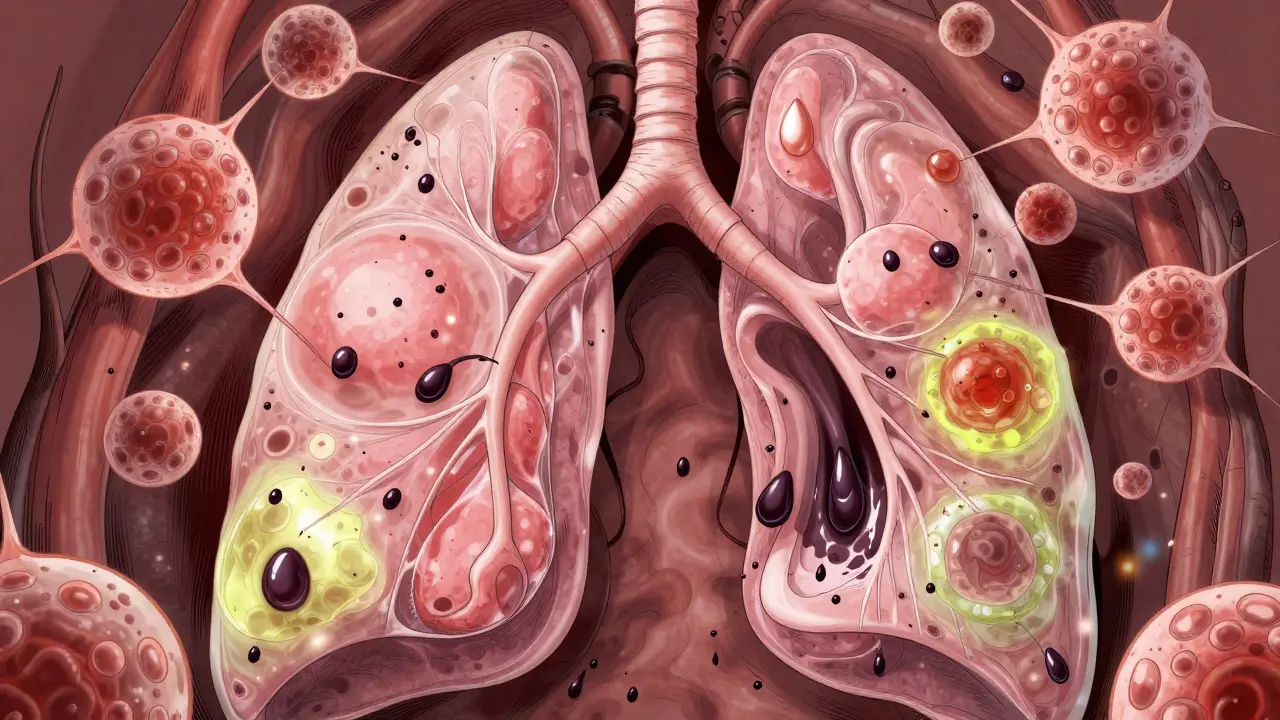
Beyond acute injuries like EVALI, the day-to-day act of vaping causes subtle but cumulative damage. Research published in journals like *Tobacco Induced Diseases* shows moderate certainty evidence that e-cigarette use leads to increased airway resistance and impaired lung function.
One of the most concerning findings comes from the American Thoracic Society. Their research demonstrates that e-cigarette vapor suppresses key immune defenses in the lungs. Your lungs rely on macrophages-cells that eat away debris and bacteria-to stay clean. Vaping impairs these cells, making users more vulnerable to respiratory infections like pneumonia and bronchitis. This is a unique risk profile compared to traditional smoking; while smokers have compromised immunity too, vapers may face distinct challenges in fighting off common viruses and bacteria due to chemical-induced inflammation.
Dr. NeSmith, a medical expert cited in recent literature, notes that chronic exposure to vaping chemicals can alter lung cells and contribute to persistent inflammation. Over time, this inflammation can stiffen lung tissue, reducing elasticity and making it harder to breathe deeply. For young adults who have never smoked, this represents a new category of respiratory harm previously unseen in non-smoking populations.
| Risk Factor | Traditional Cigarettes | E-Cigarettes (Vaping) |
|---|---|---|
| Tar & Combustion Byproducts | High (Major cause of cancer) | None (No combustion) |
| Nicotine Delivery | High | Variable (Often high in pods) |
| Heavy Metals | Present | Present (From coils) |
| Immune Suppression | Significant | Significant (Unique mechanisms) |
| COPD Risk Increase | Very High | Moderate (48% higher odds vs non-users) |
| Youth Addiction Potential | d>HighVery High (Due to flavors/nicotine salts) |
The COPD Connection: Is Vaping Causing Chronic Disease?
Chronic Obstructive Pulmonary Disease (COPD) is traditionally associated with heavy smoking. However, emerging data suggests vaping is not innocent here either. A systematic review and meta-analysis published in NIH PMC studies found that current e-cigarette users have significantly higher odds of developing COPD compared to non-users.
The pooled odds ratio was 1.48, meaning vapers are roughly 48% more likely to develop COPD than people who don’t vape or smoke. While this risk is lower than that of traditional cigarette smokers, it is statistically significant. This indicates that the mechanical and chemical irritation from vaping contributes to the progressive decline in lung function characteristic of COPD. Symptoms include chronic cough, shortness of breath, and wheezing-issues that many vapers dismiss as "just part of using the device" until they become debilitating.
Asthma and Youth Health Concerns
For individuals with asthma, vaping is generally considered a trigger. The National Academies of Sciences, Engineering, and Medicine reviewed over 800 studies and concluded that youth who use e-cigarettes are at increased risk for cough, wheezing, and asthma exacerbations. The irritants in the aerosol inflame the already sensitive airways of asthmatics, leading to more frequent attacks and reduced control over the condition.
This is particularly alarming given the surge in youth vaping. Flavors like mango, cotton candy, and mint mask the harshness of nicotine, making it easier for teenagers to start and harder to stop. Dr. NeSmith points out that we are seeing an increase in young adults who have never smoked tobacco becoming addicted through vaping. This creates a generation at risk for respiratory issues decades earlier than previous generations faced them.

Should You Switch from Smoking to Vaping?
This is the most common question, and the answer requires nuance. Organizations like Our World in Data acknowledge that vaping is substantially less harmful than smoking traditional cigarettes because it eliminates tar and many known carcinogens. If you are a heavy smoker unable to quit any other way, switching completely to vaping may reduce your overall health risk.
However, "less harmful" does not mean "safe." The CDC emphasizes that breathing in aerosols can irritate the lungs and exacerbate existing conditions. Dual use-smoking and vaping simultaneously-offers little benefit and doubles the exposure to toxins. Furthermore, the long-term effects of vaping remain unknown because the technology is relatively new. We do not yet have 30-year longitudinal studies showing what happens to lungs after two decades of daily vaping.
The safest choice for your lung health remains quitting both traditional cigarettes and e-cigarettes entirely. Nicotine replacement therapies (patches, gum) deliver nicotine without the inhalation risks, avoiding the direct assault on lung tissue altogether.
Recognizing the Signs: When to See a Doctor
If you vape, pay attention to your body. Lyracore’s 2025 report recommends seeking evaluation by a pulmonary specialist if you experience:
- Persistent cough that doesn’t go away
- Shortness of breath during mild exercise
- Chest pain or tightness
- Decreased ability to tolerate physical activity
- Recurring bronchitis or respiratory infections
Many vapers normalize these symptoms, assuming they are temporary side effects. In reality, they may signal early-stage lung damage or inflammation. Asymptomatic users should also discuss their vaping history during routine check-ups so doctors can monitor lung health over time. Early detection of issues like reduced lung capacity or early COPD markers can prevent irreversible damage.
Conclusion: Making an Informed Choice
The narrative around vaping has evolved from "miracle cure for smokers" to "significant respiratory risk." The evidence is clear: e-cigarettes emit toxic substances, suppress immune responses, and increase the risk of chronic lung diseases like COPD and asthma exacerbations. While they may be less deadly than combustible tobacco, they are far from harmless.
Your lungs are resilient, but they are not indestructible. Every puff introduces chemicals that your body must process and expel. Whether you are a long-time smoker considering a switch or a young adult experimenting with flavors, understanding these risks is crucial. Protecting your respiratory health means minimizing exposure to irritants whenever possible. If you choose to vape, do so with full awareness of the potential costs to your long-term breathing health.
Is vaping safer than smoking traditional cigarettes?
Yes, vaping is generally considered less harmful than smoking traditional cigarettes because it does not involve combustion, which produces tar and many carcinogens. However, it is not risk-free. Vaping still exposes users to toxic chemicals, heavy metals, and nicotine, which can cause lung inflammation and cardiovascular issues. It is a harm reduction tool, not a health product.
Can vaping cause popcorn lung?
Popcorn lung (bronchiolitis obliterans) is linked to diacetyl, a flavoring chemical once common in e-liquids. While diacetyl has been banned in many countries, early concerns suggested a link. To date, there are no confirmed cases of popcorn lung directly attributed to vaping in large-scale studies, but the chemical is still a known lung irritant that can cause other forms of damage.
What are the symptoms of vaping-related lung injury?
Symptoms can include persistent cough, shortness of breath, chest pain, fatigue, fever, and gastrointestinal issues. In severe cases like EVALI, symptoms escalate rapidly to include difficulty breathing and low oxygen levels. Any persistent respiratory symptom after starting vaping should be evaluated by a doctor.
Does vaping affect people who don't smoke?
Yes. Non-smokers who vape are at risk for respiratory symptoms, asthma exacerbations, and increased odds of developing COPD. Since their lungs haven't been conditioned by years of smoke, the introduction of aerosols and chemicals can cause significant inflammation and immune suppression.
How long does it take for lungs to heal after quitting vaping?
Healing varies based on duration and intensity of use. Some inflammatory changes may reverse within weeks to months after quitting, improving lung function and reducing infection risk. However, some structural damage or scarring could be permanent, highlighting the importance of early cessation.