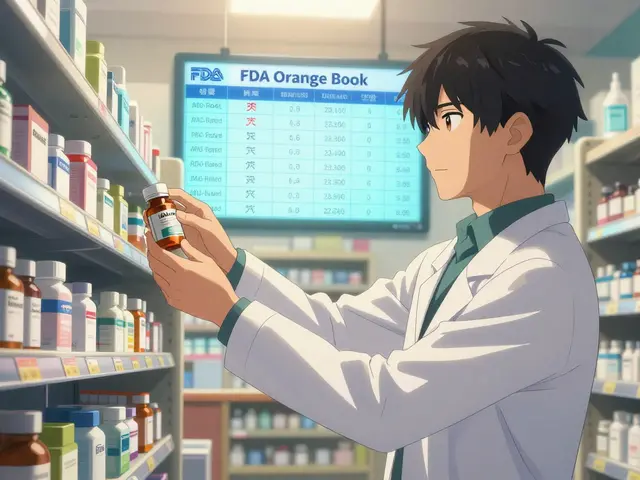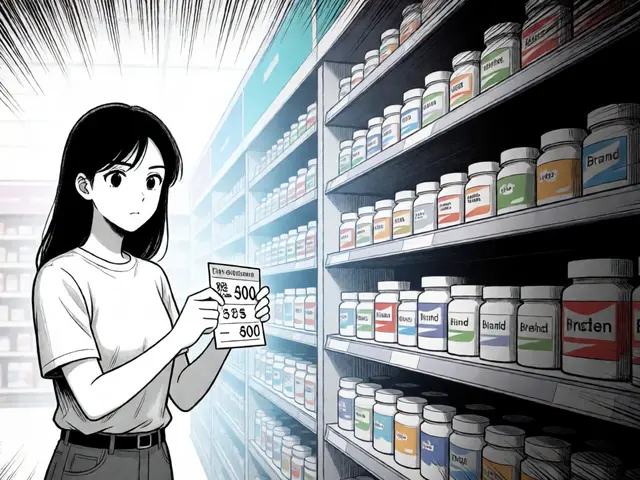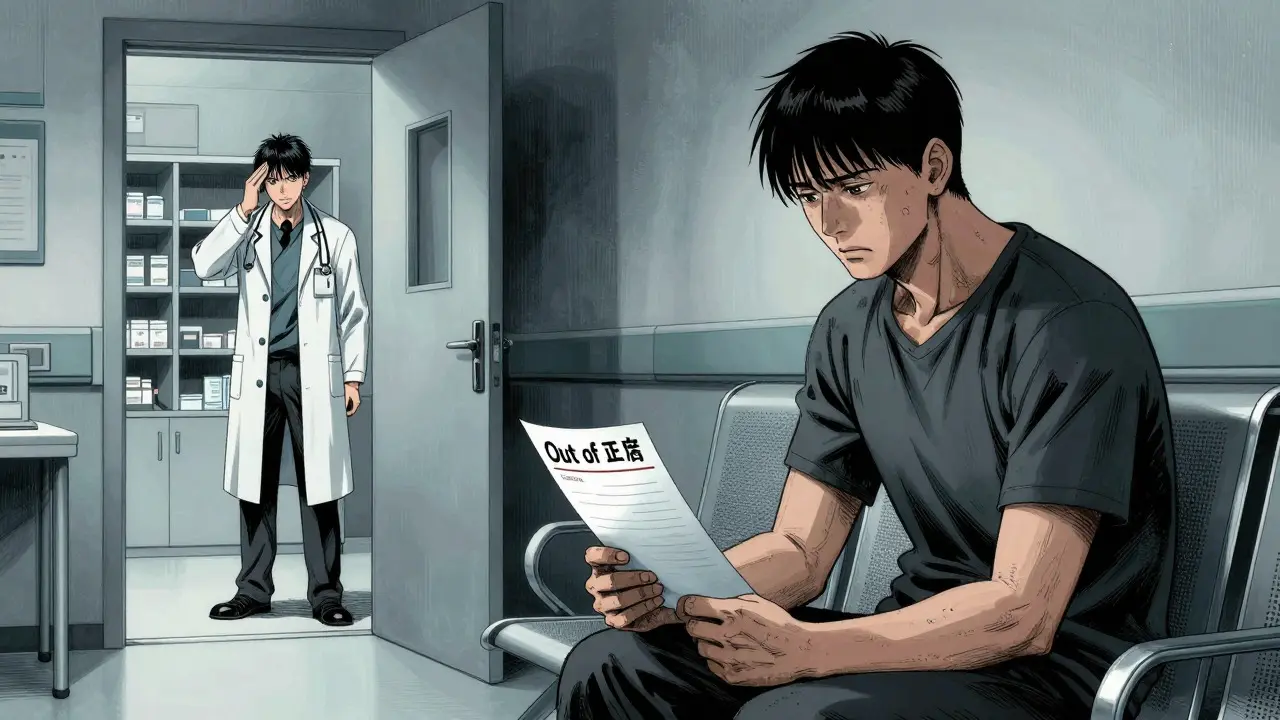
Imagine walking into a hospital for a routine urinary tract infection or a simple pneumonia case, only to be told the standard medication is gone. This isn't a scene from a dystopian novel; it is the daily reality for clinicians and patients worldwide as antibiotic shortages are a growing global public health crisis where essential medicines become unavailable due to manufacturing, economic, and geopolitical factors. The problem has escalated sharply. According to the World Health Organization's (WHO) Global Antibiotic Resistance Surveillance Report 2025, one in six laboratory-confirmed bacterial infections worldwide was resistant to treatment in 2023. For urinary tract infections specifically, that number jumps to one in three. When you combine this rising resistance with a severe lack of available drugs, the consequences for infection treatment become critical.
The Scale of the Crisis
The data paints a grim picture. As of May 2024, 37 antimicrobials were officially listed as being in short supply globally. These aren't just minor inconveniences; they are life-saving tools disappearing from shelves. Antimicrobials are 42% more likely to face shortages compared to other drug classes, a statistic documented in a Clinical Infectious Diseases journal article published in October 2024. Why antibiotics? The answer lies in economics and complexity. The global antibiotic market was valued at $38.7 billion in 2024, but its growth rate has stagnated at just 1.2% annually from 2019 to 2024, far below the pharmaceutical industry average of 5.7%. Manufacturers prioritize high-margin specialty drugs over generic antibiotics, which have seen prices drop by 27% since 2015 despite regulatory costs rising by 34%.
The geographic impact is uneven but widespread. The European Economic Area reported that 28 countries experienced antibiotic shortages, with 14 classifying them as 'critical.' In the United States, drug shortages reached a 10-year high, with the FDA documenting 147 active antibiotic shortages by December 2024. Meanwhile, low- and middle-income countries face a compounded challenge. The WHO describes this as a 'syndemic' of resistance and under-treatment, noting that 70% of antibiotics are already inaccessible in these regions. Dr. Hanan Balkhy, WHO Assistant Director-General for Antimicrobial Resistance, highlighted that between 2018 and 2023, antibiotic resistance rose in over 40% of monitored pathogen-antibiotic combinations, with an average annual increase of 5-15%.
Why Antibiotics Are Different
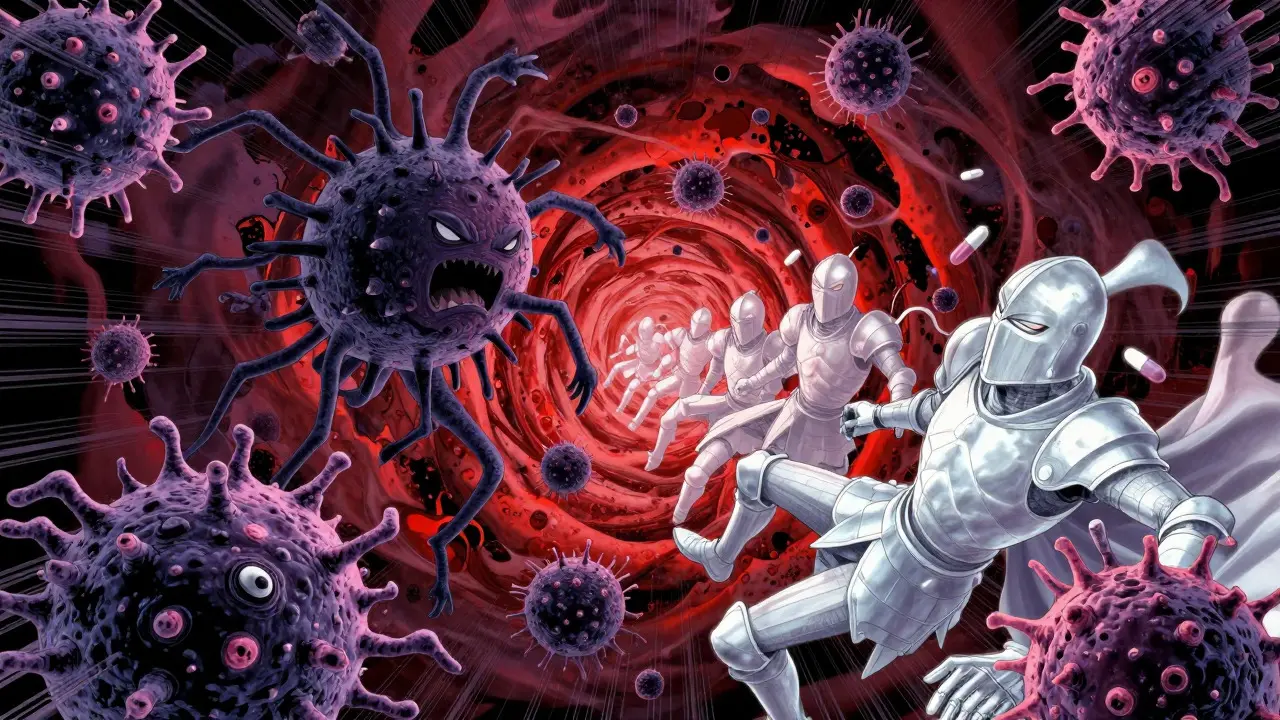
Drug shortages happen across all medical fields, but antibiotic shortages present unique dangers. When a blood pressure medication runs out, doctors can often switch to an alternative class with similar effects. With antibiotics, the stakes are higher because bacteria evolve. If first-line treatments like amoxicillin are unavailable, clinicians are forced to use broader-spectrum alternatives. For instance, when third-generation cephalosporins become scarce, doctors might turn to carbapenems. While effective, this accelerates the development of superbugs. Over 40% of E. coli and over 55% of K. pneumoniae are now resistant to these third-generation cephalosporins globally. Using stronger drugs unnecessarily creates a vicious cycle: the shortage forces the use of reserve antibiotics, which then leads to resistance against those reserve drugs, making future infections even harder to treat.
This dynamic was clearly visible during the amoxicillin shortage in early 2023. The European Medicines Agency announced the shortage, and within months, analysis showed a 55% reduction in amoxicillin use and a 69% reduction in amoxicillin-clavulanate use across multiple databases. Clinicians had to pivot quickly, often resorting to less ideal options that carried higher risks of side effects and resistance.
Real-World Impact on Patients and Clinicians
Behind every statistic is a patient waiting for care. Healthcare professionals report significant disruptions. Dr. Sarah Chen, an infectious disease specialist in California, described having to use colistin-a toxic last-resort antibiotic-for a routine urinary tract infection because standard treatments were unavailable. Colistin is typically saved for cases where nothing else works due to its potential kidney toxicity. Using it for common infections depletes our arsenal for true emergencies.
In the UK, the situation has been exacerbated by post-Brexit supply chain issues. A physician noted that hospitals have had to ration amoxicillin, forcing the use of broader-spectrum antibiotics that increase resistance risk. The European Court of Auditors reported that drug shortages in the UK increased from 648 in 2020 to 1,634 in 2023. In low-resource settings, the outcome can be fatal. A nurse in rural Kenya shared that when penicillin is unavailable, patients are sometimes sent home without treatment, facing death from what should be a manageable infection. In Mumbai, a mother reported her child’s pneumonia treatment was delayed by 72 hours due to azithromycin shortages, leading to complications requiring intensive care.
| Region/Country | Key Statistic | Source/Context |
|---|---|---|
| United Kingdom | Shortages rose from 648 (2020) to 1,634 (2023) | European Court of Auditors (ECA) Special Report 19/2025 |
| United States | 147 active antibiotic shortages (Dec 2024) | US Food and Drug Administration (FDA) |
| European Economic Area | 28 countries affected; 14 critical | ECA Special Report 19/2025 |
| Global (LMICs) | 70% of antibiotics inaccessible | WHO Global Antibiotic Resistance Surveillance Report 2025 |
| Global (Resistance) | 1 in 6 bacterial infections resistant | WHO GLASS Report 2025 |
Hospital Responses and Stewardship
Hospitals are not passive victims; they are adapting through rigorous antimicrobial stewardship programs (ASPs). Implementing these protocols takes time-typically 6 to 12 months to establish effective systems. Johns Hopkins Hospital, for example, reduced unnecessary broad-spectrum antibiotic use by 37% during shortages by implementing rapid diagnostic testing. This allows doctors to identify the specific bacteria causing an infection quickly, ensuring they prescribe the right drug rather than guessing.
However, the burden falls heavily on pharmacy teams. A survey cited in CIDRAP’s January 2025 analysis found that 78% of US hospital pharmacists modified treatment protocols due to shortages in the past year, with 62% noting increased patient complications. Pharmacists reported an average 22% increase in workload time. Common challenges include rationing decisions (faced by 89% of US hospitals) and therapeutic substitution complications (reported in 76% of cases). Regional sharing networks, like the one established in California in 2024, have shown promise, reducing critical shortage impacts by 43% across participating hospitals.
Economic Drivers and Future Outlook
The root cause remains economic. Generic antibiotics account for 85% of antibiotic use by volume, yet their low price offers little incentive for manufacturers to maintain robust production lines. Professor Ramanan Laxminarayan of the Center for Disease Dynamics, Economics & Policy noted that poor diagnostics and overuse accelerate resistance, while the European Court of Auditors criticized regulators for inadequate oversight of manufacturing facilities. Rigorous sterile injectable production requires significant investment, which low-margin markets cannot support.
Looking ahead, the outlook is concerning without intervention. The Review on Antimicrobial Resistance predicts that without significant changes, global antibiotic shortages will increase by 40% by 2030, potentially causing 1.2 million additional deaths annually from currently treatable infections. However, there are signs of action. The WHO announced a five-point action plan in October 2025, including a Global Antibiotic Supply Security Initiative funded by $500 million from G7 nations. The US FDA approved two new manufacturing facilities in January 2025, expected to alleviate 15% of current shortages by mid-2025. Industry analysts predict a 22% increase in antibiotic development funding through 2027, though manufacturing infrastructure investments may lag.
What are the main causes of antibiotic shortages?
The primary causes include manufacturing challenges, low economic incentives due to falling prices, increased regulatory compliance costs, and geopolitical events like Brexit. Additionally, the rise in antimicrobial resistance increases demand for certain drugs, straining limited supplies.
How do antibiotic shortages affect patient treatment?
Shortages force clinicians to use broader-spectrum or less effective alternatives, which can lead to increased side effects, treatment delays, and accelerated antimicrobial resistance. In severe cases, patients may receive no treatment or require hospitalization for conditions that could otherwise be managed outpatient.
Which antibiotics are most frequently in short supply?
Commonly短缺 antibiotics include penicillin G benzathine (in short supply since 2015), amoxicillin, and amoxicillin-clavulanate. Third-generation cephalosporins also face frequent shortages, impacting treatment for resistant infections like E. coli and K. pneumoniae.
What is antimicrobial stewardship, and how does it help?
Antimicrobial stewardship involves programs that monitor antibiotic usage, promote appropriate prescribing, and implement rapid diagnostics. During shortages, these programs help reduce unnecessary broad-spectrum use, conserve critical drugs, and minimize the development of further resistance.
Are there any solutions being implemented to fix the shortage?
Yes, initiatives include the WHO's Global Antibiotic Supply Security Initiative, regional hospital sharing networks, and new manufacturing facility approvals by agencies like the FDA. Public-private partnerships are also increasing funding for antibiotic development and supply chain resilience.