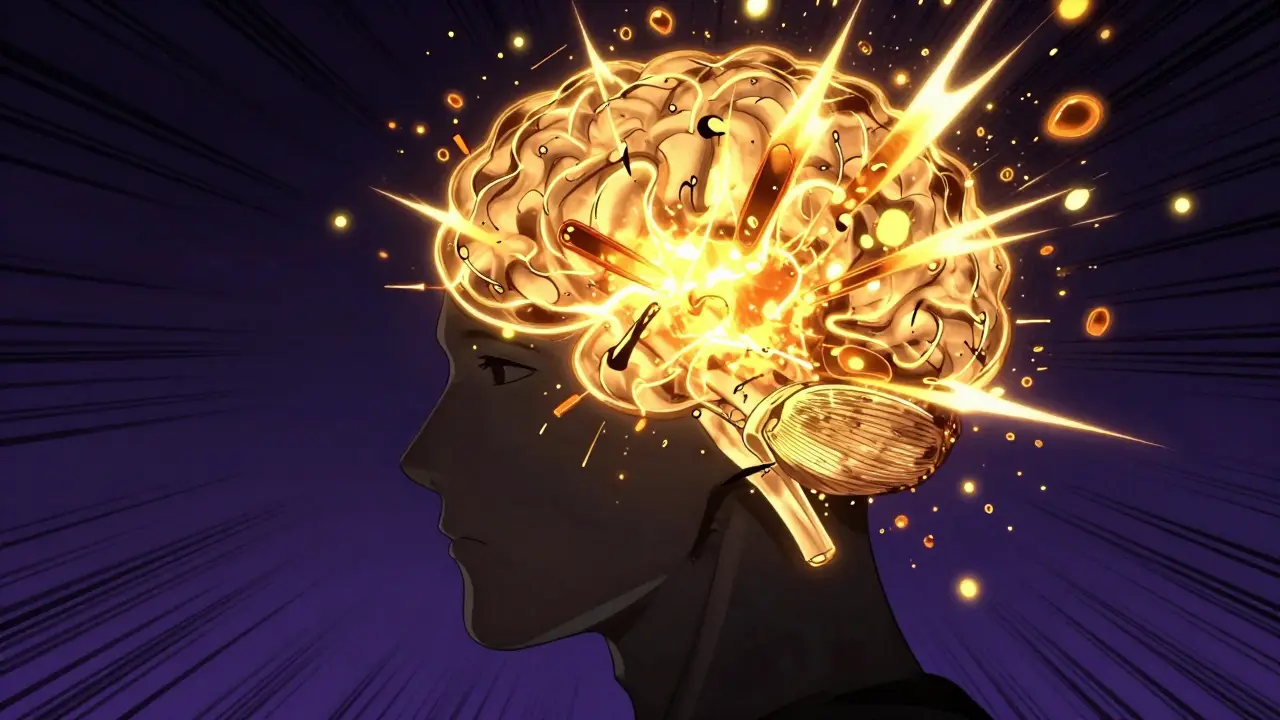
Taking too much of a prescription medication or mixing the wrong drugs can lead to a crisis that feels like a severe flu or a massive panic attack, but is actually a life-threatening emergency. When the brain is flooded with too much serotonin-a chemical that regulates mood, sleep, and digestion-the body goes into a state of overdrive. This is serotonin syndrome is a serious drug reaction caused by the excessive accumulation of serotonin in the body. It isn't just a "bad reaction"; it's a systemic failure that can lead to organ collapse if not caught early.
What Exactly Triggers Serotonin Toxicity?
Most people think only a massive overdose of one pill causes this, but it often happens through "stacking." This occurs when you take two different medications that both increase serotonin, or when you start a new drug without giving your old one time to leave your system. For example, combining a common antidepressant with certain cough syrups or pain meds can push your levels over the edge.
The most common culprits are SSRIs is Selective Serotonin Reuptake Inhibitors, the most widely prescribed antidepressants, which account for about 62% of cases. Other triggers include SNRIs is Serotonin-Norepinephrine Reuptake Inhibitors and the older, more potent MAOIs is Monoamine Oxidase Inhibitors, which require a strict 14-day washout period before switching medications. Beyond psychiatric drugs, things like tramadol, fentanyl, and triptans used for migraines can also contribute to the buildup.
Spotting the Warning Signs: The Three Clusters
Serotonin syndrome moves fast. In about 30% of cases, symptoms appear within an hour of taking the medication; for most, it happens within six hours. Because it mimics other illnesses, it's often misdiagnosed as the flu or a sudden anxiety spike. To identify it, look for a triad of symptoms affecting your mind, your organs, and your muscles.
Mental and Emotional Shifts
The first sign is often a change in how you feel or think. You might experience sudden confusion, intense anxiety, or agitation. In clinical settings, confusion is reported in nearly 78% of cases. You aren't just "stressed"; you feel disoriented and unable to think clearly, which often precedes the physical collapse.
Autonomic Hyperactivity (The Body's Alarm)
Your autonomic nervous system starts firing wildly. This manifests as a racing heart (tachycardia), where heart rates often exceed 100 beats per minute. You'll likely notice profuse sweating, dilated pupils (mydriasis) measuring 5-8mm, and a spike in blood pressure. A critical warning sign is a rising body temperature. If your fever climbs above 100.4°F (38°C), your body is struggling to regulate heat, which can lead to permanent damage if it hits the critical 106°F mark.
Neuromuscular Abnormalities
This is the most telling part of the syndrome. Keep an eye out for tremors-shaking or jittery feelings-which are often the earliest physical clues. This progresses to muscle twitching or jerking. The "cardinal sign" that doctors look for is clonus is involuntary, rhythmic muscle contractions, most common in the ankles. If your muscles feel rigid or your reflexes are hyper-responsive, you are in a high-risk zone.
| Feature | Serotonin Syndrome | Neuroleptic Malignant Syndrome (NMS) | Anticholinergic Toxicity |
|---|---|---|---|
| Onset Speed | Rapid (hours) | Slow (days to weeks) | Rapid |
| Muscle Tone | Hyperreflexia & Clonus | "Lead-pipe" Rigidity | Normal to decreased |
| Bowel Sounds | Increased (Hyperactive) | Normal/Decreased | Decreased (Silent) |
| Mucous Membranes | Wet/Sweaty | Normal/Sweaty | Dry |

Emergency Intervention: What Happens at the Hospital?
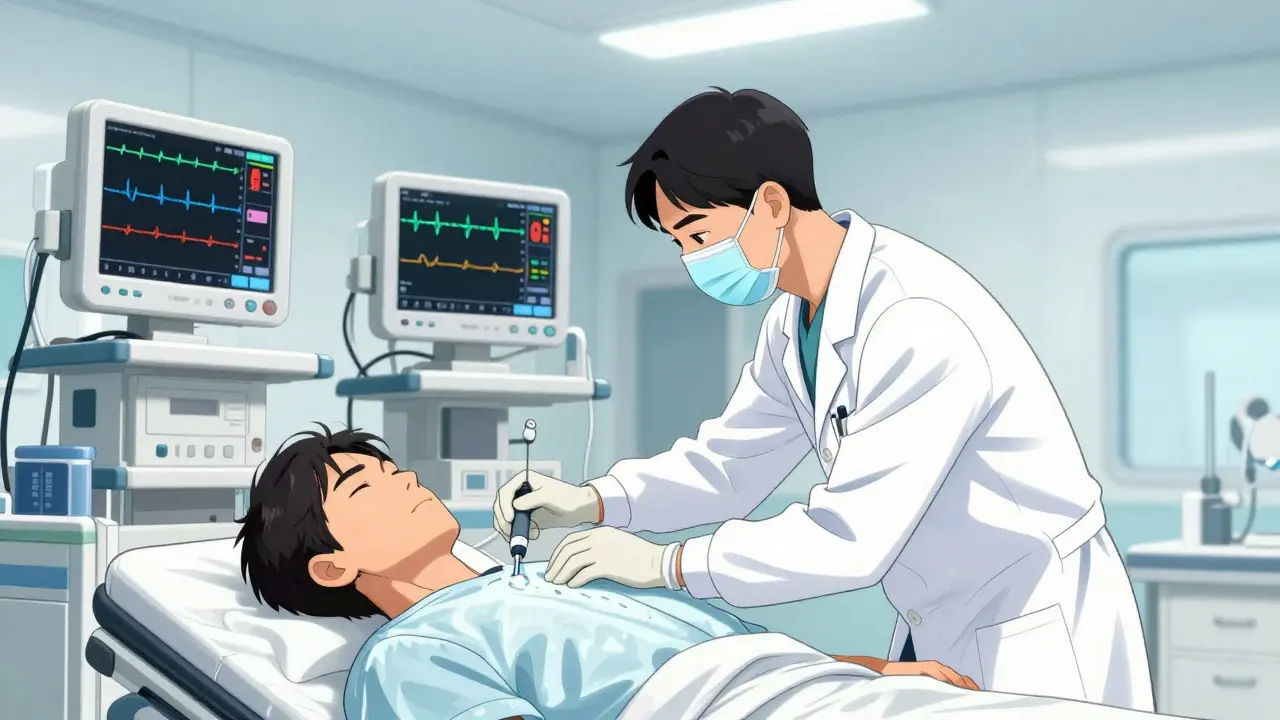
If you suspect an overdose or severe reaction, every minute counts. This is not a "wait and see" situation. Once you reach the ER, the priority is stopping the intake of serotonergic agents immediately. Treatment focuses on cooling the body and calming the nervous system.
Doctors typically use benzodiazepines is sedative medications like lorazepam used to control agitation and muscle rigidity. If the case is severe, they may administer cyproheptadine is a specific serotonin antagonist that acts as an antidote to block excess serotonin receptors. For those with dangerous fevers, external cooling methods are used to drop the temperature gradually, usually by 1-2°C per hour, to avoid shocking the system.
How to Prevent an Accidental Overdose
Prevention comes down to communication and caution. Many people don't realize that a simple cough syrup containing dextromethorphan can interact with their antidepressant. Always tell your doctor every single supplement and over-the-counter med you take.
- The 14-Day Rule: If you are switching from an MAOI to an SSRI, you must observe a strict two-week "washout" period to let the first drug clear your system.
- Medication Reconciliation: At every pharmacy visit, ask the pharmacist to check for "serotonergic interactions." This single check can reduce risk by over 60%.
- Symptom Tracking: If you start a new medication, keep a log of any new tremors, sweating, or anxiety for the first week.
Can I get serotonin syndrome from just one medication?
Yes, though it's less common. It typically happens if you take a significantly higher dose than prescribed (an overdose) or if your body processes the medication too slowly due to liver or kidney issues.
How quickly does serotonin syndrome develop?
It is very rapid. About 30% of people show symptoms within one hour, and 60% develop them within six hours of taking the causative drug or changing a dose.
Is serotonin syndrome always fatal?
No. With prompt medical treatment, the mortality rate is relatively low (0.5% to 12%). Most people recover fully within 72 hours if they receive supportive care and the medication is stopped.
What is the "Hunter Criteria" I might hear doctors mention?
The Hunter Serotonin Toxicity Criteria is the gold standard for diagnosis. It focuses on physical signs like spontaneous clonus (muscle jerking) and hyperreflexia to distinguish the syndrome from other types of toxicity.
Why is it often misdiagnosed?
Because early signs like agitation, sweating, and tremors look exactly like a panic attack or a viral infection. This leads to about 25% of cases being missed initially by clinicians.
Next Steps and Troubleshooting
If you are currently taking an antidepressant and feel an onset of tremors or unexplained confusion, do not wait for the symptoms to "wear off." Contact your prescribing physician or go to the emergency room immediately. Bring a full list of all medications, including vitamins and herbal supplements (like St. John's Wort), as these can also trigger serotonin spikes.
For caregivers, the most important thing you can do is monitor the patient's temperature. If a person is confused and has a fever over 101°F, treat it as a critical emergency. Do not attempt to treat a suspected overdose with home remedies or sedative teas; professional medical intervention is the only way to safely reverse the toxicity.






Posts Comments
Darius Prorok April 6, 2026 AT 00:31
Most people just don't read the pamphlets that come with the meds. It's all in there if you just spend five minutes looking at the warnings.
Christopher Cooper April 7, 2026 AT 12:20
The part about St. John's Wort is really critical. A lot of people treat herbal supplements as 'natural' and therefore safe, but they can be just as dangerous as pharmaceuticals when mixed. It's fascinating how a common tea or pill can trigger a systemic failure like this. Proper education on drug-drug interactions is the only way to keep people out of the ER.
Danielle Kelley April 8, 2026 AT 05:59
Big Pharma doesn't want you knowing how easy it is to overdose on these things!!! They just keep pushing more pills and hope you don't notice the 'side effects' until it's too late. These warnings are just a legal cover for them so they don't get sued when your brain literally cooks itself!
Brady Davis April 9, 2026 AT 06:53
Oh great, so now I can't even take a cough drop without worrying about my organs collapsing. What a time to be alive.
Daniel Trezub April 10, 2026 AT 00:36
Actually, the 14-day rule is a bit of a generalization. Depending on the half-life of the specific MAOI, some clinicians might suggest a different window. It's not a one-size-fits-all rule, though I guess for a general guide, it's fine. Still, it's funny how people treat these guides like gospel without checking the specific drug's pharmacokinetics.
Michael Flückiger April 11, 2026 AT 02:13
Stay safe everyone!!! Just double check everything with your pharmacist... it really makes a difference!!!
Windy Phillips April 11, 2026 AT 07:16
It is truly tragic how some people lack the basic discipline to manage their own health... properly... One would think a simple list of medications would not be too taxing for the average adult... but alas...
Ruth Swansburg April 12, 2026 AT 10:44
Please remember to be kind to yourselves while navigating these treatments. You are not alone in this struggle. Your health is the priority. Keep moving forward.
Rupert McKelvie April 14, 2026 AT 02:42
Glad to see this information out there. It'll definitely help someone catch it early and get the help they need.
Dhriti Chhabra April 14, 2026 AT 16:11
The detailed comparison between Serotonin Syndrome and Neuroleptic Malignant Syndrome is quite illuminating. It is imperative that clinical practitioners remain vigilant regarding the speed of onset to ensure an accurate diagnosis and timely intervention for the patient's wellbeing.
Sarabjeet Singh April 16, 2026 AT 11:21
Just be careful with what you take. Stick to the dose and talk to your doc.
Nikhil Bhatia April 18, 2026 AT 09:09
Too much text for a simple warning.
Alexander Idle April 19, 2026 AT 16:41
Honestly, the way some of these medications are prescribed is an absolute joke. I've seen doctors practically throw pills at patients without a single word about interactions. It's a complete circus in the medical world these days. I'm just sitting here wondering why anyone trusts a system that lets this kind of toxicity happen in the first place. It's practically a theatrical performance of incompetence. I mean, really, who is the one actually checking the labels? Not the doctors, that's for sure. We're all just guinea pigs in a giant pharmaceutical experiment. It's honestly exhausting to even think about the negligence involved. Every time I walk into a clinic, I feel like I'm entering a comedy of errors. The audacity to call this 'care' is just wild. Just absolute madness. Just pure, unadulterated chaos in every single prescription pad. It's a tragedy, really. A complete and total disaster.
charles mcbride April 21, 2026 AT 05:23
This is a great reminder for all of us to stay proactive with our health. Thanks for sharing this.
Write a comment