
Imagine this scenario: You are managing your Parkinson's disease, carefully timing your doses of a neurodegenerative disorder characterized by the loss of dopaminergic neurons in the substantia nigra. Then, you develop nausea-a common side effect of your primary medication. A well-meaning doctor prescribes a standard anti-nausea drug. Within hours, your tremors return with a vengeance, your movements freeze, and you feel like you’ve taken several steps backward in your condition. This isn’t just bad luck; it is a predictable pharmacological conflict.
This article breaks down why certain antiemetics (anti-nausea drugs) clash dangerously with Parkinson’s treatments. We will look at the science behind dopamine antagonism, identify which drugs to avoid, and highlight safer alternatives that won’t sabotage your motor control.
The Core Conflict: Dopamine Depletion vs. Blockade
To understand the risk, we first need to look at how Parkinson’s disease works. The condition stems from a progressive loss of neurons that produce dopamine in the brain. Your treatment plan likely includes Levodopa combined with a dopa-decarboxylase inhibitor like carbidopa or benserazide. This combination helps replace the missing dopamine, allowing your basal ganglia to regulate movement properly.
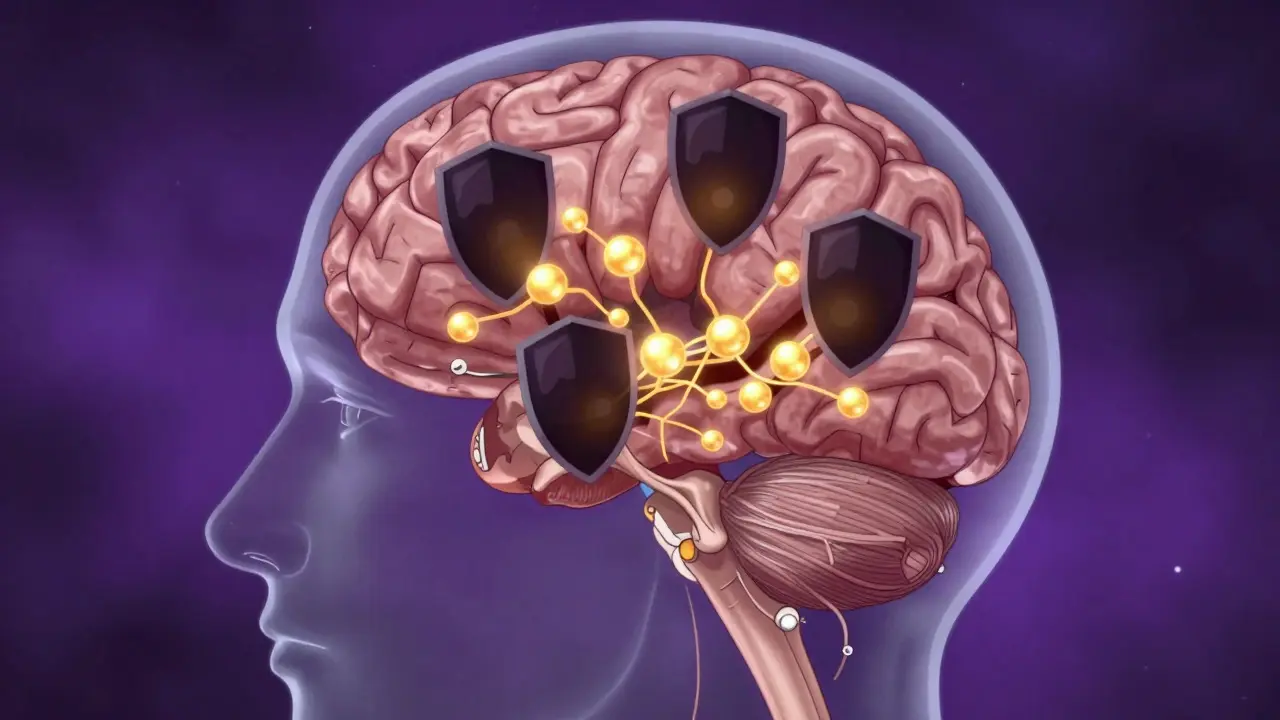
Now, consider how many conventional antiemetics work. Drugs like metoclopramide or prochlorperazine function as dopamine D2-receptor antagonists. They block dopamine receptors in the chemoreceptor trigger zone (CTZ) to stop vomiting. The problem? If these drugs cross the blood-brain barrier, they don’t just block receptors in the CTZ. They also block dopamine receptors in the basal ganglia-the very area struggling due to Parkinson’s.
It is a therapeutic catch-22. According to the American Parkinson Disease Association (APDA), 40-80% of patients experience nausea during the initial phases of levodopa treatment. Treating that nausea with a dopamine antagonist can worsen bradykinesia (slowness of movement), rigidity, and tremors, effectively neutralizing the benefits of your Parkinson’s medication.
High-Risk Antiemetics: The "Do Not Use" List
Not all anti-nausea medications are created equal. Some pose a severe threat to Parkinson’s patients. Based on clinical guidelines and data from sources like the APDA and the GGC Medicines Update, here are the high-risk agents:
- Metoclopramide (Reglan/Maxalon): Often cited as having a 95% risk of worsening symptoms. It crosses the blood-brain barrier significantly (20-40% CNS penetration). Dr. Alberto Espay of the University of Cincinnati notes that inappropriate prescription of metoclopramide is the single most common medication error in his practice.
- Prochlorperazine (Stemetil): A phenothiazine derivative that strongly blocks D2 receptors. Patients report severe "off" periods requiring hospitalization after emergency department prescriptions.
- Haloperidol (Haldol): A butyrophenone with high D2 affinity (>80% binding). It carries risks of extrapyramidal symptoms (EPS) and tardive dyskinesia.
- Promethazine & Chlorpromazine: Both are typical antipsychotics/antihistamines with significant dopamine-blocking properties.
A study published in the *Journal of Parkinson's Disease* (2022) found that only 37% of emergency medicine physicians could correctly identify metoclopramide as contraindicated in Parkinson’s. This knowledge gap explains why 62% of patients reported receiving inappropriate antiemetics during hospital stays.
Safer Alternatives: What Actually Works?
If dopamine blockers are off the table, what options remain? The key is selecting agents that either do not cross the blood-brain barrier or target different receptors entirely.
| Medication | Mechanism | Risk Level | Key Consideration |
|---|---|---|---|
| Domperidone (Motilium) | Peripheral D2 antagonist | Low (<2%) | Minimal CNS penetration (<5%). Not available in injectable form in the US. |
| Cyclizine (Vertin) | H1 receptor antagonist | Low (5-10%) | First-line recommendation in UK guidelines. Non-dopaminergic. |
| Ondansetron (Zofran) | 5-HT3 antagonist | Moderate (15-20%) | Minimal dopamine effect, but may be less effective for certain nausea types. |
| Aprepitant (Emend) | Neurokinin-1 antagonist | Very Low (~0%) | Newer option. Recent trials show 92% efficacy without motor worsening. |
| Levomepromazine (Nozamine) | Phenothiazine (mixed) | Moderate-High (30-40%) | Use only after specialist consultation. Start low (6.25mg). |
Domperidone stands out because it acts peripherally. It blocks dopamine receptors in the gut and CTZ but struggles to cross the blood-brain barrier due to P-glycoprotein efflux mechanisms. In a Michael J. Fox Foundation survey, 85% of patients using domperidone reported effective nausea control without motor worsening. However, access varies; the FDA maintains a restricted program for it in the US.
Cyclizine is often the go-to first-line choice in the UK, as recommended by the GGC Medicines Update. Since it targets histamine H1 receptors rather than dopamine, it avoids the central nervous system conflict entirely.
Non-Pharmacological Strategies
Before reaching for any pill, consider non-drug approaches. Dr. Espay recommends these as first-line defenses:
- Ginger: Clinical guidance suggests 1g daily. It has natural anti-emetic properties without neurological side effects.
- Dietary Modifications: Eat small, frequent meals instead of three large ones. Large meals can overwhelm the digestive system and trigger nausea.
- Hydration: Sip fluids throughout the day rather than drinking large amounts at once.
These methods address mild nausea effectively, reserving stronger medications for when symptoms persist.

Navigating Hospital Care and Emergencies
Hospital settings are where errors happen most frequently. The Anesthesia Patient Safety Foundation (APSF) notes that despite clear guidelines, 25% of Parkinson’s patients still receive dopamine-antagonist antiemetics in perioperative settings. This leads to extended recovery times and increased costs averaging $3,200 per incident.
How can you protect yourself?
- Carry a Wallet Card: The APDA distributes cards listing medications to avoid. Surveys show a 40% reduction in inappropriate prescriptions among card carriers.
- Communicate Clearly: Tell every healthcare provider-dentists, surgeons, ER doctors-that you have Parkinson’s. Ask specifically: "Does this medication block dopamine?"
- Monitor Symptoms: If you must take a higher-risk drug (like levomepromazine under specialist care), watch for worsening tremors or freezing. Report changes immediately.
The Movement Disorder Society recommends that all antiemetic orders for Parkinson’s patients include a specific notation: "Parkinson's disease: verify antiemetic safety." Advocate for this check.
Future Directions and New Treatments
The landscape is improving. Research funded by the Michael J. Fox Foundation is exploring novel peripheral-acting serotonin modulators designed specifically for Parkinson’s-related nausea. Additionally, aprepitant, a neurokinin-1 receptor antagonist, has shown promise. A 120-patient trial reported zero cases of motor symptom worsening, offering a potent new tool for refractory nausea.
Educational initiatives are also gaining traction. The Parkinson’s Foundation’s Quality Improvement Initiative has trained over 1,200 providers, resulting in a 55% drop in inappropriate prescriptions in participating hospitals. Vigilance remains essential, but awareness is growing.
Why does metoclopramide worsen Parkinson's symptoms?
Metoclopramide is a dopamine D2-receptor antagonist. While it helps nausea by blocking receptors in the gut and brainstem, it also crosses the blood-brain barrier and blocks dopamine receptors in the basal ganglia. Since Parkinson's patients already have low dopamine levels, this blockade exacerbates motor symptoms like tremors and rigidity.
Is ondansetron safe for Parkinson's patients?
Ondansetron is generally considered safer than dopamine antagonists because it works on serotonin (5-HT3) receptors, not dopamine. However, it carries a moderate risk (15-20%) and may be less effective for some types of nausea. It is often used as a third-line option after cyclizine or domperidone.
What is the best anti-nausea medication for someone with Parkinson's?
For most patients, cyclizine is the preferred first-line choice due to its low risk profile. Domperidone is an excellent second-line option if available, as it does not cross the blood-brain barrier significantly. Always consult your neurologist before starting any new antiemetic.
Can I take ginger for nausea with Parkinson's?
Yes, ginger is a recommended non-pharmacological approach. Clinical guidance suggests taking 1g daily. It has natural anti-emetic properties and does not interact with dopamine pathways, making it a safe complementary strategy.
How long should I wait after stopping a dopamine antagonist to see improvement?
Recovery varies by individual and the specific drug. Metoclopramide has a half-life of 5-6 hours, but motor symptoms can take days to weeks to fully resolve. One patient reported it took three weeks to return to baseline after a short course of metoclopramide. Monitor closely and adjust Parkinson's medication under medical supervision.