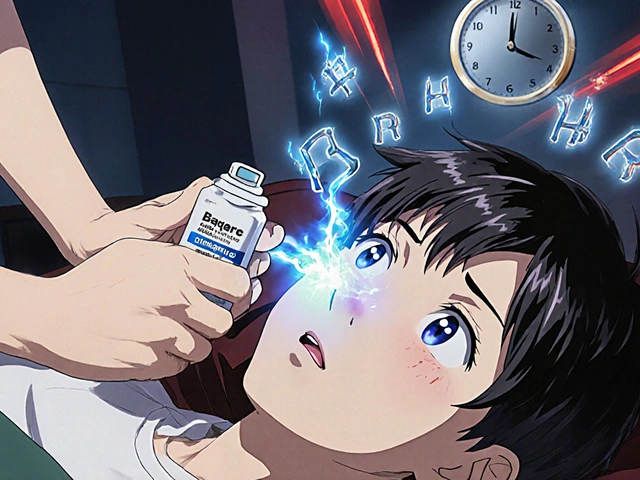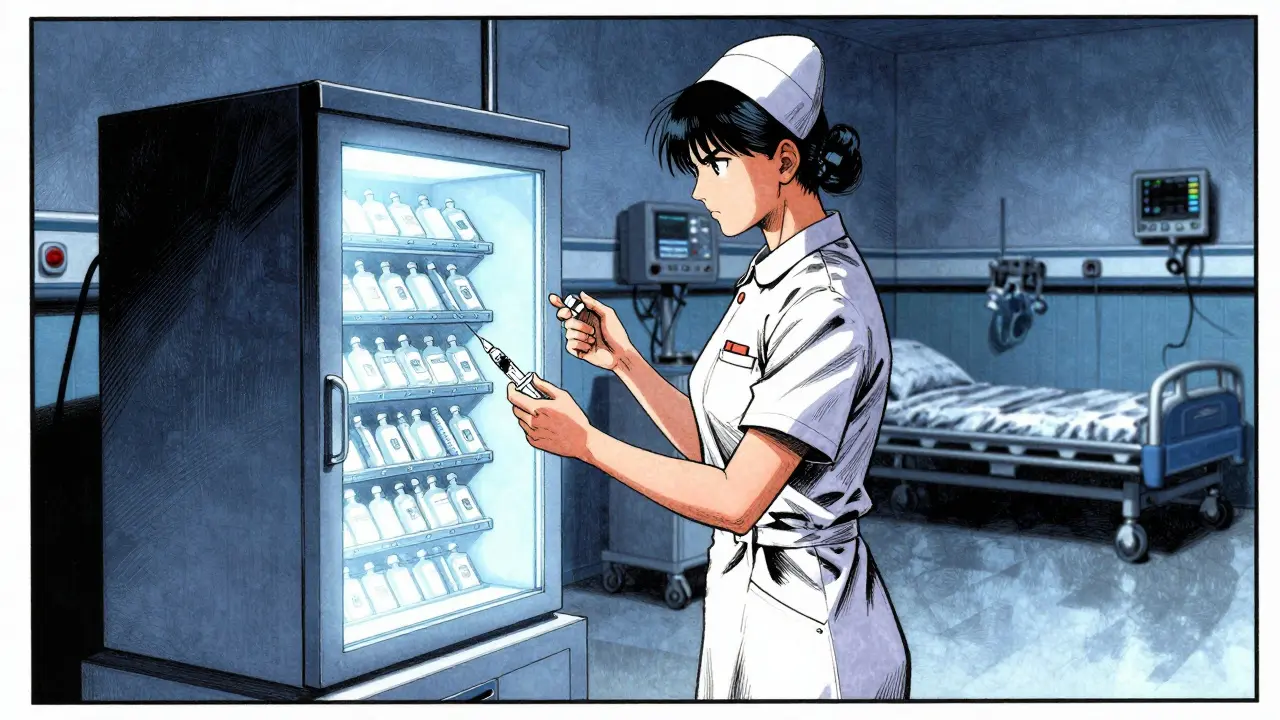
Imagine a busy hospital ward at 2 AM. A nurse pulls a syringe from an automated dispensing cabinet, scans it, and administers the dose. It seems routine. But what if that scan failed? What if the label was missing? Or worse, what if the patient’s identity was confused with another bed nearby? These aren’t just hypothetical nightmares; they are the exact scenarios Patient Safety Goals were designed to prevent.
Medication errors are not merely administrative slips. They are life-threatening events. According to data from the Institute of Medicine’s landmark report *To Err is Human*, these errors contribute to approximately 250,000 deaths annually in the United States alone. In outpatient settings, medication-related errors play a role in 1 out of every 131 deaths. That statistic hits hard when you realize how often we interact with healthcare systems.
So, how do we stop this? The answer lies in structured frameworks like the National Patient Safety Goals (NPSGs) developed by The Joint Commission, a healthcare accrediting body established in 1951. These goals provide a common language and set of standards for hospitals, pharmacies, and clinics to reduce harm. This guide breaks down exactly what these goals mean for medication dispensing, why traditional methods fall short, and how modern technology is reshaping safety protocols.
Why Traditional "Five Rights" Are No Longer Enough
If you studied nursing or pharmacy, you likely memorized the "Five Rights" of medication administration: right patient, right drug, right dose, right route, and right time. For decades, this was the gold standard. But here is the uncomfortable truth: relying solely on human memory and individual vigilance is failing us.
The Institute for Healthcare Improvement (IHI) points out a startling fact: 83% of medication errors occur even after nurses confirm all five rights. Why? Because humans get tired, distracted, and overwhelmed. A 2023 survey of 1,200 nurses published in the *American Journal of Nursing* found that 78% believe the Five Rights framework places undue responsibility on individual clinicians rather than addressing system design flaws. One nurse summed it up perfectly: "We're taught to memorize the five rights but not given the tools to actually verify them during 12-hour shifts with 8 patients."
This shift in perspective moves us away from blaming individuals and toward building safer systems. It acknowledges that if a process requires perfect human attention to succeed, it is destined to fail eventually. Modern patient safety goals focus on engineering safeguards into the workflow so that errors are caught before they reach the patient.
The Core Medication Safety Standards
The Joint Commission’s National Patient Safety Goals (NPSGs) cover six primary areas, but three are critical for medication dispensing and pharmacy practice. Let’s look at the specific technical requirements that define safe practice today.
1. Identifying Patients Correctly (NPSG.01)
Misidentification is a root cause of many wrong-drug errors. The current standard requires using at least two patient identifiers. However, the 2025 updates have tightened this further. For bedside specimen labeling, labels must now be applied in the patient’s presence with two-identifier verification. This addresses a critical gap where mislabeled specimens contribute to approximately 160,000 adverse events annually. If you cannot see the patient, you cannot safely identify them.
2. Labeling Medications Correctly (NPSG.03.04.01)
In perioperative settings, unlabeled syringes are a major hazard. The standard mandates labeling all medications, containers, and solutions on and off the sterile field. Labels must include the drug name, strength, and concentration. Crucially, the font size must be a minimum of 10 points to ensure readability under bright surgical lights. Despite this rule, 27% of operating rooms still use unlabeled syringes, highlighting a persistent compliance challenge.
3. Using Medicines Safely (NPSG.03)
This goal targets high-alert medications-drugs that bear a heightened risk of causing significant patient harm when used in error. Examples include insulin, opioids, and anticoagulants. The standard requires standardized practices, such as independent double-checks for high-risk injectables and clear documentation of therapeutic ranges. For anticoagulant therapy specifically, facilities aim for 95% compliance with monitoring protocols, measured quarterly.
| Framework | Authority | Focus | Adoption Rate |
|---|---|---|---|
| National Patient Safety Goals (NPSG) | The Joint Commission | Mandatory accreditation standards | ~96% of US acute care hospitals |
| ISMP Targeted Best Practices | Institute for Safe Medication Practices | Voluntary consensus recommendations | 68% of large hospital systems |
| Five Rights | Traditional Nursing Standard | Individual clinician verification | Universal (but insufficient alone) |
High-Alert Medications and Specific Risks
Not all drugs carry the same risk. High-alert medications require extra layers of protection. The ISMP (Institute for Safe Medication Practices) identifies 19 specific high-risk scenarios requiring intervention. One grim example is injectable promethazine. Between 2006 and 2018, improper administration led to 37 documented amputations due to tissue injury. To prevent this, strict protocols dictate that it should only be administered via deep intramuscular injection, never subcutaneously.
Opioids present another layer of complexity. Verifying a patient’s opioid status before administration is now a best practice to prevent respiratory depression. Similarly, pediatric dosing requires specialized attention. Children are not just small adults; their metabolism differs significantly. The Pediatric Medication Safety Model emphasizes weight-based dosing protocols and mandatory double-checks for high-risk meds in neonatal units. Without these measures, medication error rates in pediatric intensive care can be three times higher than in adult units.
The Role of Technology in Dispensing Safety
Technology is the backbone of modern medication safety. Electronic Health Records (EHR) integrated with Clinical Decision Support Systems (CDSS) act as a first line of defense, flagging allergies and drug interactions before a prescription is even written. But the real game-changer happens at the point of dispensing and administration.
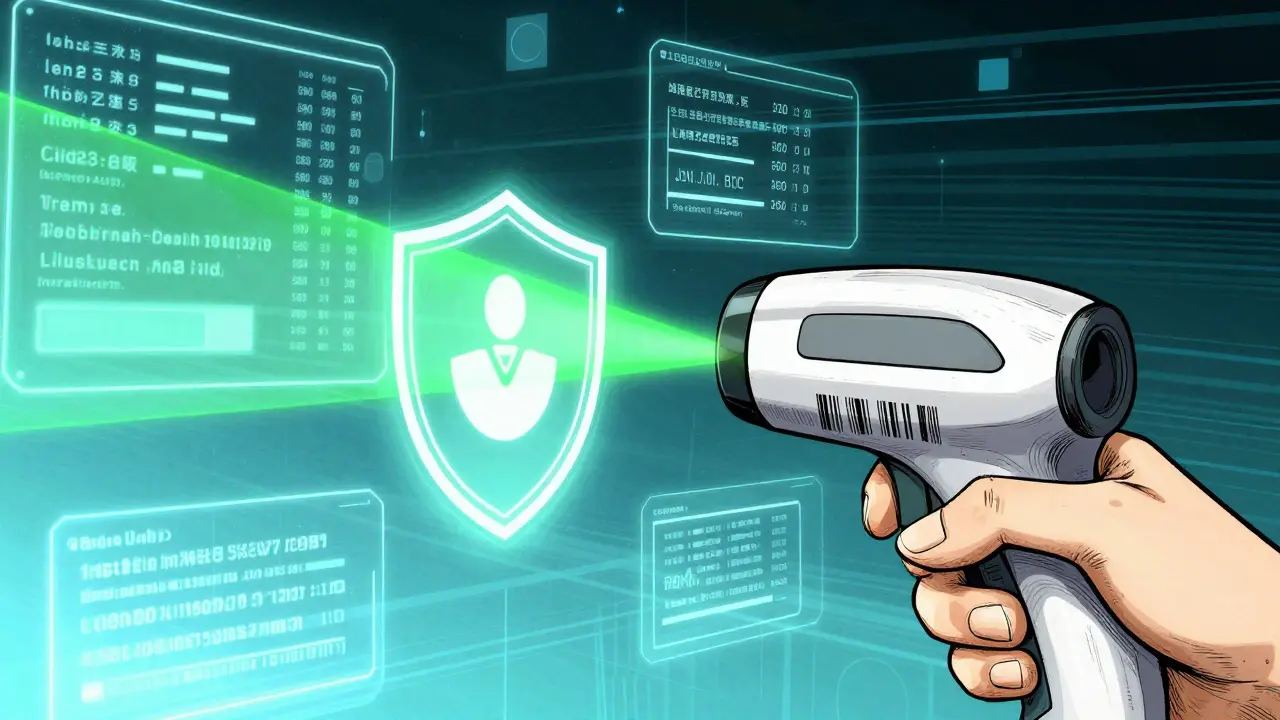
Barcode-Assisted Medication Administration (BCMA): When implemented correctly, BCMA reduces wrong-drug errors by up to 86%. However, it comes with a trade-off. A hospital pharmacy director reported that while errors dropped, nurse workflow time increased by 7.2 minutes per dose. This highlights a key implementation challenge: safety technologies must fit into clinical workflows without creating excessive burden.
Automated Dispensing Cabinets (ADCs): ADCs like Pyxis or Omnicell allow rapid access to emergency medications. But they also introduce risks. Overrides-when staff bypass the system to retrieve drugs manually-are a major red flag. The recommended override rate is below 5%. Yet, Reddit discussions among pharmacists reveal that 34% report override rates exceeding this threshold, primarily for "stat" medications during emergencies. Facilities with override rates above 5% show 3.7 times more medication errors. Managing overrides through proactive risk assessment is now a priority in the 2025 NPSGs.
Implementation Challenges and Real-World Solutions
Knowing the goals is one thing; achieving them is another. Implementing these safety standards typically takes 12 to 18 months. Here is what successful implementation looks like:
- Staff Training: Clinicians need 8-12 hours of dedicated training. Unfortunately, 38% of facilities report less than 4 hours of annual medication safety training per staff member. This gap directly correlates with higher error rates.
- Culture of Safety: Dr. Michael Cohen, President Emeritus of ISMP, notes that NPSGs represent minimum standards, not best practices. True safety requires a leadership-driven culture where staff feel safe reporting near-misses without fear of punishment.
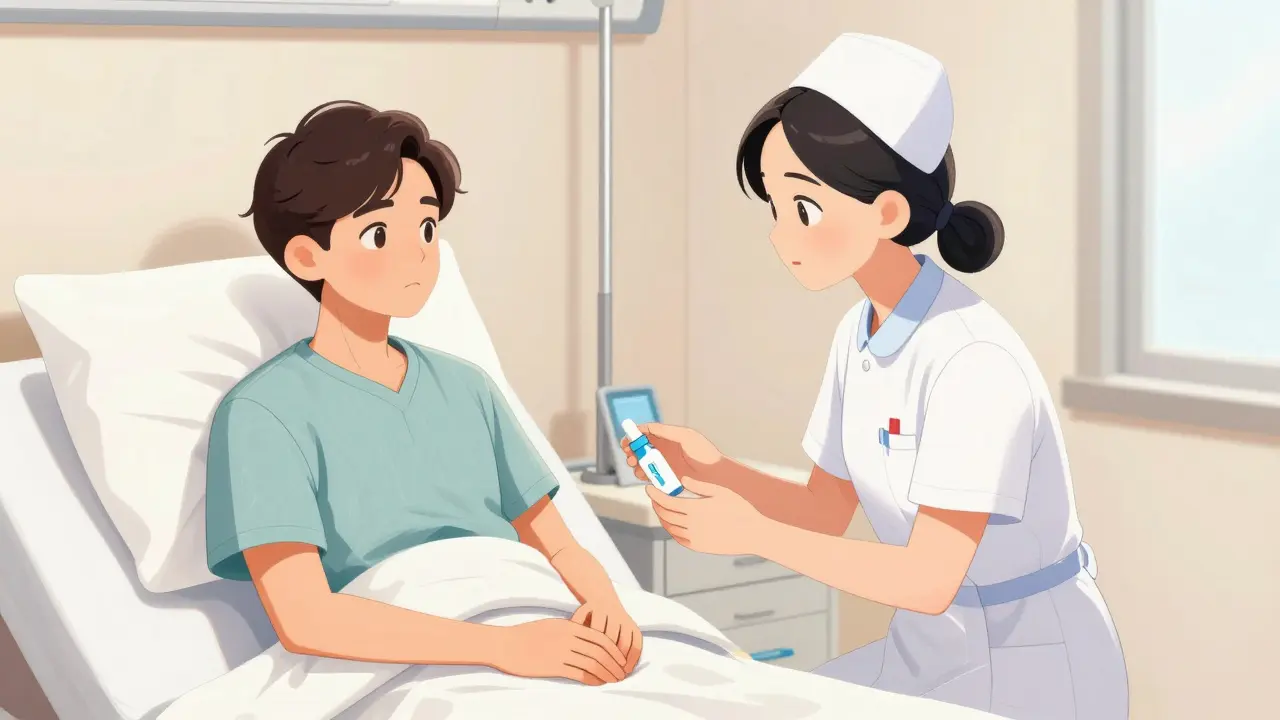
- Patient Engagement: The World Health Organization’s Global Patient Safety Action Plan 2021-2030 highlights that facilities with robust patient involvement programs report 42% fewer medication errors. Asking patients, "What medication are you expecting?" is a simple yet powerful check.
Dr. Robert Wachter, Chair of Medicine at UCSF, warns that checklist approaches can create a "false sense of security." If staff tick boxes without understanding the underlying system failures, errors will persist. The solution lies in combining rigid standards with flexible, intelligent system design.
Future Directions: AI and Predictive Safety
We are moving toward predictive safety. Artificial Intelligence is beginning to play a role in identifying potential adverse drug events before they happen. Pilot programs at Mayo Clinic have shown a 47% reduction in potential adverse events through AI-powered clinical decision support. By analyzing vast amounts of patient data, AI can flag subtle interactions or dosing issues that human reviewers might miss.
Looking ahead to 2026, the ISMP plans to expand its Targeted Medication Safety Best Practices to include 25 specific interventions. New focus areas include vaccine administration errors-which account for 21% of pediatric medication incidents-and transition-of-care reconciliation. As the global patient safety software market grows to an estimated $4.03 billion by 2028, the integration of these tools will become standard rather than optional.
Ultimately, patient safety in medication dispensing is not about perfection. It is about resilience. It is about building systems that catch mistakes when humans inevitably slip. Whether through better labeling, smarter technology, or engaged patients, the goal remains the same: ensuring that every dose delivered is the right dose for the right person.
What are the National Patient Safety Goals (NPSGs)?
The NPSGs are annual objectives developed by The Joint Commission to address critical patient safety issues in healthcare settings. They cover six areas: correct patient identification, staff communication, safe medicine use, infection prevention, safety risk identification, and surgical mistake prevention. Compliance is mandatory for accredited organizations.
Why are the "Five Rights" considered insufficient?
While the Five Rights (right patient, drug, dose, route, time) are foundational, studies show 83% of errors occur despite their confirmation. They rely heavily on individual human vigilance, which is prone to fatigue and distraction. Modern safety frameworks emphasize system-level safeguards like barcode scanning and automated checks over individual memory.
What is a high-alert medication?
High-alert medications are drugs that carry a heightened risk of causing significant patient harm when used in error. Common examples include insulin, opioids, anticoagulants, and concentrated electrolytes. They require special handling, such as independent double-checks and standardized labeling, to mitigate risks.
How do Automated Dispensing Cabinets (ADCs) impact safety?
ADCs improve access to emergency meds but pose risks if overridden too frequently. An override rate above 5% is associated with 3.7 times more medication errors. Best practices involve monitoring override reasons and proactively stocking cabinets to reduce the need for manual bypasses.
What is the role of patient engagement in medication safety?
Engaging patients and families significantly reduces errors. Facilities with strong patient involvement programs report 42% fewer medication errors. Simple actions, like asking patients to verify their medication names or expected doses, add a crucial final layer of verification.
How does AI help in medication safety?
AI-powered clinical decision support systems analyze patient data to predict and flag potential adverse drug events. Pilot programs have shown up to a 47% reduction in potential errors by identifying complex interactions and dosing issues that may escape human review.