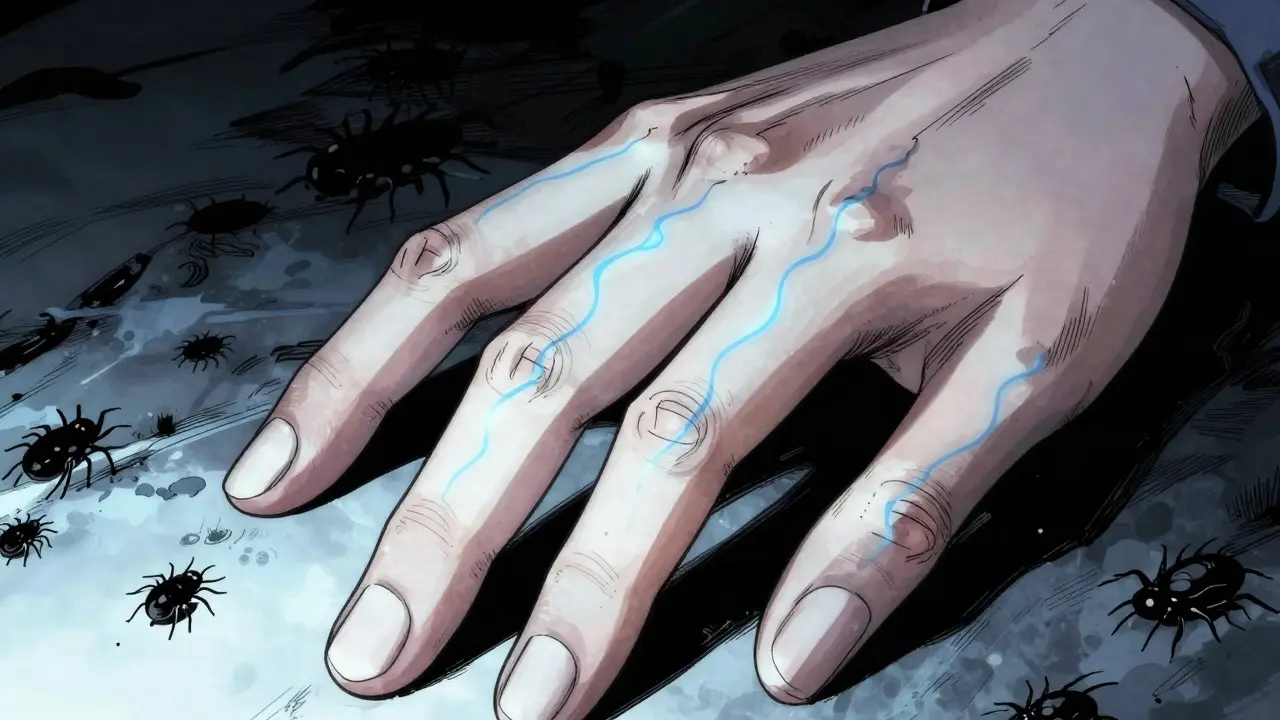
It starts as a faint itch, easily dismissed as dry skin or a mild allergy. Then, the itching becomes relentless, peaking at night when you should be sleeping. You scratch until your skin bleeds, searching for a cause that isn't visible to the naked eye. This is the reality of scabies, a parasitic infestation caused by the mite Sarcoptes scabiei var. hominis. Or perhaps it’s your child coming home from school with tiny white eggs glued to their hair shafts, signaling a case of head lice (Pediculus humanus capitis). These are not just annoyances; they are highly contagious biological invasions that require precise, aggressive action to eradicate. Ignoring them doesn’t make them go away-it spreads them.
You might wonder why these ancient parasites still plague modern society. The answer lies in their resilience and our occasional complacency. Scabies alone affects an estimated 204 million people globally each year, according to the World Health Organization’s 2023 Tropical Disease Report. In the United States, head lice infect between 6 and 12 million children aged 3 to 11 annually. These numbers aren’t just statistics; they represent millions of disrupted nights, missed school days, and social stigma. Understanding how these parasites work and, more importantly, how to kill them effectively is the only way to reclaim your comfort and health.
Understanding the Invaders: Mites vs. Lice
To defeat an enemy, you must first know what you are fighting. While both scabies and lice are ectoparasites-organisms that live on the outside of their host-they operate very differently.
Scabies is caused by a microscopic female mite that burrows into the upper layer of your skin to lay her eggs. She creates tiny tunnels, known as burrows, which trigger an intense allergic reaction in your immune system. That’s what causes the itching. It can take four to six weeks for symptoms to appear in a first-time infection because your body needs time to recognize the invader. However, if you’ve had scabies before, the reaction happens within 1 to 4 days. The mites prefer warm areas like the webs between fingers, wrists, elbows, armpits, waistline, and genital area.
Lice, on the other hand, are larger insects visible to the naked eye. There are three types that affect humans:
- Head lice (Pediculus humanus capitis): Found primarily on the scalp, behind the ears, and at the nape of the neck. They feed on blood several times a day.
- Body lice (Pediculus humanus corporis): Live in clothing seams and move to the skin to feed. They are often associated with poor hygiene or crowded living conditions.
- Pubic lice (Pthirus pubis): Also known as "crabs," these are found in coarse body hair, including the pubic region, chest, beard, eyebrows, and eyelashes.
The key difference is location and visibility. You can see lice and their eggs (nits), but you cannot see scabies mites without a microscope. This invisibility makes scabies harder to diagnose early, leading to wider spread within households.
Diagnosis: Spotting the Signs Early
Early detection stops the spread. For scabies, look for thin, wavy lines on the skin surface-these are the burrows. Common sites include between the fingers, on the sides of the hands, and around the nipples in women. The rash may look like small red bumps or blisters. Intense itching, especially at night, is the hallmark symptom.
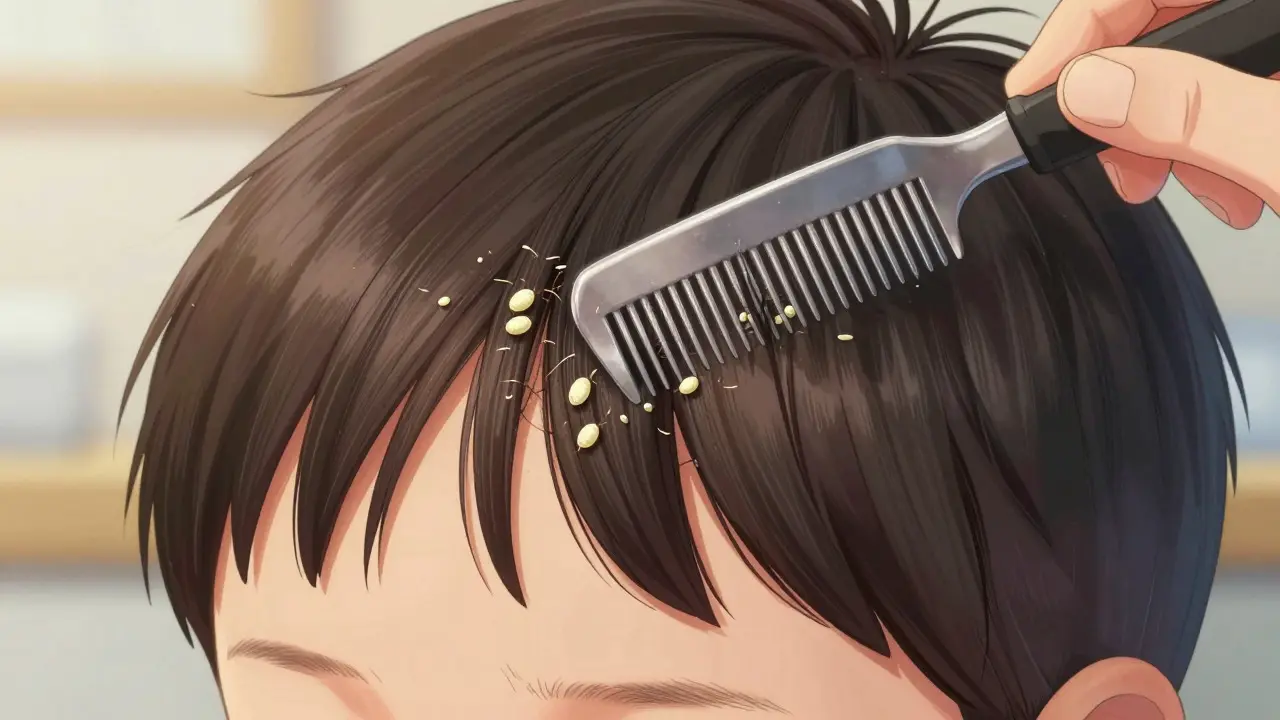
For head lice, check for live lice moving through the hair and nits attached firmly to the hair shaft near the scalp. Nits are oval-shaped and yellowish-white. Unlike dandruff, they do not brush off easily. If you find one nit, assume there are more. Pubic lice present with itching in the genital area and may show blue-gray spots on the skin where the lice have fed.
If you suspect either condition, see a healthcare provider. Misdiagnosis leads to ineffective treatment and prolonged suffering. A dermatologist can confirm scabies by examining skin scrapings under a microscope or using a dermoscope to visualize the burrows.
Treatment Protocols: The Gold Standards
Effective eradication requires following medical guidelines precisely. Partial treatment leads to resistance and reinfection. Here are the current gold-standard treatments based on CDC guidelines updated in December 2023 and recent clinical studies.
Scabies Treatment Options
Permethrin 5% cream is the first-line topical treatment for scabies. It kills both mites and eggs. Apply it to all body areas from the neck down, leaving it on for 8 to 14 hours before washing it off. Most patients need a second application seven days later to kill any newly hatched mites. Studies show this approach achieves a 92.5% cure rate after two applications.
Oral Ivermectin is an alternative, particularly useful for crusted scabies, institutional outbreaks, or when topical creams fail. Although not FDA-approved specifically for scabies in the US, it is widely used off-label. The standard dose is 200 micrograms per kilogram of body weight, taken with food to improve absorption. A second dose is required 7 to 14 days later. Research from Tabriz University in Iran showed single-dose ivermectin achieves an 85.9% cure rate at two weeks, rising to 100% after crossover treatment at four weeks.
For severe cases like crusted (Norwegian) scabies, combination therapy with both oral ivermectin and topical permethrin is mandatory. This aggressive approach addresses the massive mite burden characteristic of this condition.
Lice Treatment Options
Head lice treatments include topical permethrin 1%, spinosad 0.9% liquid, and oral ivermectin. Permethrin resistance has been documented in 15-30% of US regions, according to a 2022 National Pediculosis Association report. If permethrin fails, switch to spinosad, which was approved by the FDA in 2019 and works by disrupting the insect’s nervous system. Oral ivermectin is also effective for resistant head lice, with double-dose regimens showing 95-100% effectiveness in some studies.
| Condition | First-Line Treatment | Efficacy Rate | Key Considerations |
|---|---|---|---|
| Scabies | Permethrin 5% Cream | 92.5% (after 2 apps) | Apply neck-down; wash off after 8-14 hours |
| Scabies (Resistant/Crusted) | Oral Ivermectin + Topical Permethrin | Up to 100% | Requires prescription; 2 doses 7-14 days apart |
| Head Lice | Spinosad 0.9% Liquid | High efficacy against resistant strains | FDA-approved for children 6 months+ |
| Head Lice (Resistant) | Oral Ivermectin | 95-100% (double dose) | Off-label use; consult physician |
The Critical Step: Environmental Decontamination
Killing the parasites on your body is only half the battle. Mites and lice can survive off the human host for varying periods. Scabies mites live 24 to 72 hours away from skin contact. Head lice die within 1 to 2 days. To prevent reinfection, you must decontaminate your environment simultaneously with treatment.
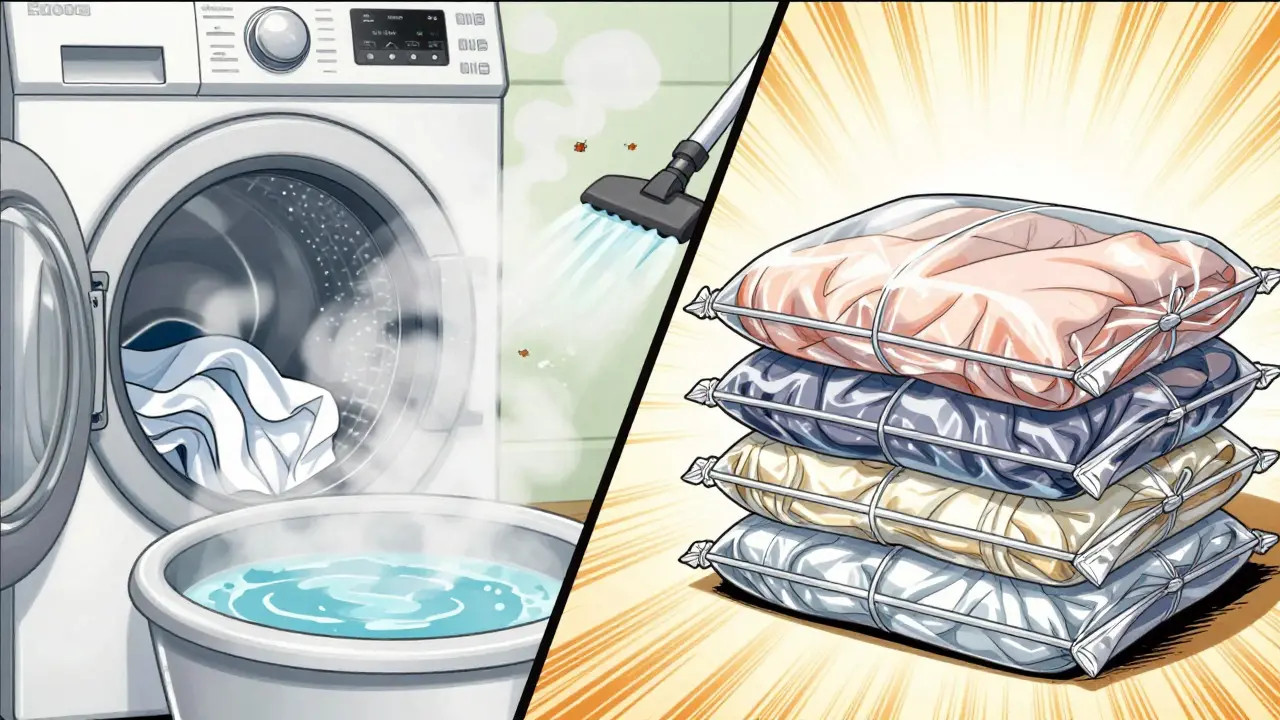
Wash all bedding, clothing, and towels used in the past three days in hot water (at least 50°C or 122°F) and dry them on high heat. Items that cannot be washed should be sealed in a plastic bag for at least 72 hours to starve any surviving parasites. Vacuum carpets, rugs, and upholstered furniture thoroughly. Discard vacuum bags immediately. Avoid using insecticide sprays in the home unless directed by a health official, as they are generally unnecessary and pose additional chemical exposure risks.
Preventing Reinfection: Treating Contacts
This is where most eradication efforts fail. Dr. Howell, a dermatology expert cited in Miiskin’s 2023 resource database, emphasizes that “all household members and close contacts must be treated simultaneously to prevent re-infestation.” Even if they show no symptoms, they may harbor early-stage infestations.
Treat everyone in the household at the same time. Coordinate with schools, daycare centers, or nursing homes if an outbreak occurs. In institutional settings, mass drug administration programs using ivermectin have shown remarkable success. For example, a program in the Solomon Islands treated over 26,000 participants with co-administered azithromycin and ivermectin, achieving 95-100% effectiveness against scabies.
Common Mistakes and Pitfalls
Avoid these common errors that undermine treatment:
- Inadequate Coverage: Missing finger webs, under nails, or genital areas when applying permethrin. Take 15-20 minutes to ensure full-body coverage.
- Premature Washing: Washing off permethrin before the minimum 8-hour contact time reduces efficacy. Set a timer.
- Skipping the Second Dose: Both permethrin and ivermectin require a second application/dose to kill newly hatched larvae. Skipping this step guarantees recurrence.
- Ignoring Contacts: Treating yourself while family members remain infected creates a ping-pong effect of reinfection.
- Overusing OTC Remedies: Tea tree oil and essential oils lack robust clinical evidence for eradication and can irritate sensitive skin. Stick to proven medical treatments.
Future Directions and Research
Science is advancing. Researchers are developing new ovicidal agents to target parasite eggs directly, addressing the limitation of current drugs that miss eggs. Three novel compounds are in Phase II clinical trials as of late 2023. Additionally, experimental porcine scabies models allow for better preclinical testing of new drugs. The WHO projects that mass drug administration programs could reduce global scabies prevalence by 60-75% by 2030 if current research trajectories continue.
How long does it take for scabies itching to stop after treatment?
Itching can persist for 2 to 4 weeks after successful treatment due to the ongoing allergic reaction to dead mites and their waste. Use antihistamines or corticosteroid creams to manage symptoms. If new burrows or worsening itching appear after 4 weeks, seek medical advice as treatment may have failed.
Can pets transmit scabies or lice to humans?
Human scabies mites do not survive long on animals, and animal scabies rarely infects humans permanently. However, dogs can get a temporary rash from human scabies. Head lice are species-specific to humans; pets cannot catch them. Focus treatment on human hosts and their immediate environment.
Is oral ivermectin safe for children?
Ivermectin safety in children weighing less than 15 kg (33 lbs) has not been fully established by the FDA. Consult a pediatrician before use. For older children, it is generally considered safe and effective, especially for resistant cases or institutional outbreaks.
What is crusted scabies, and why is it dangerous?
Crusted (Norwegian) scabies is a severe form characterized by thick crusts containing thousands of mites. It occurs in immunocompromised individuals and is highly contagious. It requires aggressive combination therapy with oral ivermectin and topical permethrin, often administered in a hospital setting.
How do I know if my lice treatment worked?
Check for live, moving lice 7 to 10 days after treatment. Dead nits will remain attached but will not hatch. If you find live lice, repeat the treatment or switch to a different medication like spinosad or oral ivermectin. Comb hair daily with a fine-toothed nit comb to remove remaining nits.