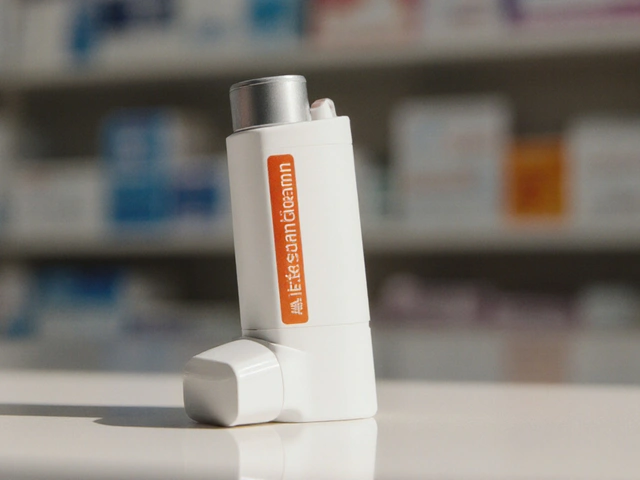
Getting sick during pregnancy is stressful enough without worrying if your medicine might hurt the baby. You reach for that bottle of ibuprofen or a multi-symptom cold syrup out of habit, but suddenly you pause. Is it safe? The short answer is that some common over-the-counter drugs are perfectly fine, while others carry real risks for fetal development. Knowing the difference can mean the gap between getting relief and avoiding unnecessary exposure.
The medical consensus has shifted significantly in recent years. Organizations like the American College of Obstetricians and Gynecologists (ACOG) and the Centers for Disease Control and Prevention (CDC) now emphasize that treating serious infections like influenza is often more beneficial than risky for the baby. Untreated high fevers and severe respiratory distress pose greater threats than carefully selected medications. This article breaks down exactly what you can take, what you should skip, and how to manage symptoms safely across all three trimesters.
Medications That Are Generally Safe
When you have a fever or body aches, Acetaminophen is the gold standard for pain and fever relief during pregnancy. Brands like Tylenol have been studied extensively. Large-scale research, including data from the Collaborative Perinatal Project which monitored over 50,000 mother-child pairs, found no increased risk of birth defects with acetaminophen use. It remains the first-line recommendation for managing temperature spikes, which is crucial because prolonged high fever in the first trimester can be harmful to neural tube development.
If your main issue is a nagging cough, look for products containing Dextromethorphan is a cough suppressant considered safe for short-term use during pregnancy. Studies following hundreds of pregnant women who used dextromethorphan in their first trimester showed no link to birth defects. Just ensure you buy plain versions without added alcohol or other active ingredients. Similarly, Guaifenesin is an expectorant that helps thin mucus and is generally regarded as safe. Plain Mucinex (without D or DM additives) is a common choice here. For allergies causing congestion, second-generation antihistamines like Loratadine is a non-drowsy allergy medication safe for use during pregnancy (Claritin) and Cetirizine is another safe antihistamine option for pregnant women (Zyrtec) are preferred over older, sedating options.
Don't overlook simple topical remedies. Mentholated rubs like Vicks Vapor Rub and cough drops are widely considered safe because minimal amounts enter the bloodstream. They provide symptomatic relief without systemic drug exposure. Saline nasal sprays are also an excellent, drug-free way to clear congestion and moisturize irritated nasal passages.
Medications to Strictly Avoid
The biggest trap for many parents-to-be is reaching for Nonsteroidal Anti-Inflammatory Drugs (NSAIDs). You must avoid Ibuprofen is an NSAID that should be avoided during pregnancy due to potential fetal kidney issues (Advil, Motrin), Naproxen is an NSAID linked to complications when taken late in pregnancy (Aleve), and aspirin unless specifically prescribed by your doctor for a condition like preeclampsia prevention. These drugs can interfere with fetal kidney function and reduce amniotic fluid levels, particularly if taken after 20 weeks. In the third trimester, they may even delay labor or cause premature closure of the ductus arteriosus, a vital blood vessel in the baby's heart.
Decongestants require careful scrutiny. Phenylephrine is an oral decongestant found in Sudafed PE that is generally advised against during pregnancy, the ingredient in Sudafed PE, is consistently flagged by health organizations like VCU Health as unsafe or ineffective. There is conflicting advice on Pseudoephedrine is a decongestant in original Sudafed that requires doctor consultation before use (original Sudafed). Some providers allow it after the first trimester, while others advise avoiding it entirely due to theoretical links to abdominal wall defects. When in doubt, stick to saline sprays or ask your provider before taking pseudoephedrine.
Combination cold and flu products are perhaps the most dangerous category. Products like DayQuil, NyQuil, and Mucinex FastMax pack multiple drugs into one pill or liquid. You might need a cough suppressant but end up ingesting an unsafe decongestant or antihistamine. Furthermore, liquid formulations of NyQuil and DayQuil contain significant amounts of alcohol (around 10-15% by volume). Even caplet versions often contain phenylephrine or other questionable ingredients. The rule of thumb is simple: avoid all-in-one combination drugs. Treat one symptom at a time with single-ingredient medications.

Treating Influenza: Antivirals and Vaccines
The flu is not just a bad cold; it’s a serious threat during pregnancy. Your immune system changes, making you more susceptible to pneumonia and hospitalization. If you suspect the flu, contact your provider immediately. Oseltamivir is an antiviral medication known as Tamiflu that is recommended for treating flu in pregnant women (Tamiflu) is the preferred treatment. ACOG strongly recommends antiviral treatment for pregnant women with suspected flu, regardless of vaccination history. Studies show oseltamivir does not increase the risk of birth defects. Starting treatment within 48 hours of symptom onset yields the best results, but it can still help even if you start later.
Prevention is equally critical. The CDC recommends the inactivated flu vaccine for all pregnant women during flu season, typically October through May. Recently, the CDC also endorsed the Abrysvo vaccine for RSV protection, administered between 32 and 36 weeks of gestation. These vaccines protect both you and the baby, passing antibodies that shield the infant in their first few months of life.
Avoid newer antivirals like baloxavir (Xofluza) unless directed by a specialist, as there is currently insufficient safety data for use in pregnancy. Also, steer clear of codeine-containing cough syrups. The FDA issued warnings about codeine in pregnancy due to the risk of respiratory depression in newborns, especially if the mother metabolizes the drug rapidly.
Natural Remedies and Herbal Supplements
Many people turn to herbs thinking "natural means safe," but this is a myth in pregnancy. The FDA does not regulate herbal supplements strictly, meaning potency and purity vary wildly. Echinacea, goldenseal, and high doses of vitamin A can be harmful. Stick to proven supportive measures:
- Hydration: Water, herbal teas (like ginger or peppermint in moderation), and electrolyte drinks keep you hydrated and thin mucus.
- Rest: Your body needs energy to fight infection. Sleep is not a luxury; it’s part of the treatment.
- Humidifiers: Cool-mist humidifiers add moisture to the air, soothing dry throats and congested noses.
- Honey: For coughs, a spoonful of honey can be as effective as some OTC medicines. (Note: Not for infants under one year, but safe for you).
For diarrhea, which can accompany viral bugs, loperamide (Imodium) is generally considered safe after the first trimester for short-term use (up to 24 hours). Always confirm with your provider, especially if dehydration is a concern.

Decision Guide: What to Take When
| Symptom | Safe Options | Options to Avoid |
|---|---|---|
| Fever / Pain | Acetaminophen (Tylenol) | Ibuprofen (Advil), Naproxen (Aleve), Aspirin |
| Cough (Dry) | Dextromethorphan (plain Robitussin), Honey | Codeine, Combination syrups with alcohol |
| Congestion | Saline spray, Guaifenesin (plain Mucinex) | Phenylephrine (Sudafed PE), Pseudoephedrine (consult doc) |
| Allergies | Loratadine (Claritin), Cetirizine (Zyrtec) | First-gen antihistamines (unless approved by doc) |
| Influenza | Oseltamivir (Tamiflu), Flu Vaccine | Baloxavir (Xofluza), Herbal supplements |
Practical Tips for Managing Symptoms
Start with non-drug interventions. If you have a stuffy nose, try a saline rinse or steam inhalation before reaching for pills. If you have a mild headache, rest and hydration might resolve it without medication. When you do need medicine, follow the principle of using the lowest effective dose for the shortest duration possible. Read labels carefully. Many products hide unsafe ingredients behind brand names. If a product lists more than one active ingredient, put it back on the shelf.
Keep a log of your symptoms and treatments. This helps your healthcare provider understand your pattern and adjust care if needed. Don’t ignore persistent symptoms. A fever lasting more than two days, difficulty breathing, or chest pain requires immediate medical attention. Remember, the goal isn’t to suffer through illness, but to treat it smartly. With the right information, you can navigate cold and flu season confidently, keeping both yourself and your baby healthy.
Is Tylenol safe throughout all trimesters?
Yes, acetaminophen (Tylenol) is considered safe for use in all trimesters of pregnancy for pain and fever relief. Extensive studies have not shown an increased risk of birth defects when used as directed.
Can I take Sudafed while pregnant?
It depends. Phenylephrine (Sudafed PE) is generally advised against. Original Sudafed contains pseudoephedrine, which has mixed guidance. Some doctors allow it after the first trimester, while others recommend avoiding it. Always consult your provider before taking any decongestant.
Are NyQuil and DayQuil safe?
Generally, no. Liquid forms contain alcohol, and caplets often contain phenylephrine or other ingredients that may not be ideal for pregnancy. It is safer to treat individual symptoms with single-ingredient medications like acetaminophen or dextromethorphan instead of using combination products.
Should I take Tamiflu if I have the flu?
If you suspect the flu, yes. ACOG recommends oseltamivir (Tamiflu) for pregnant women because the risks of untreated influenza (such as pneumonia and hospitalization) outweigh the potential risks of the medication. Start treatment as soon as possible, ideally within 48 hours of symptoms.
Are herbal supplements safe for colds during pregnancy?
Not necessarily. The FDA does not strictly regulate herbal supplements, and some herbs like echinacea or goldenseal may have adverse effects. It is best to avoid them unless explicitly approved by your healthcare provider. Stick to proven remedies like saline sprays, honey, and hydration.