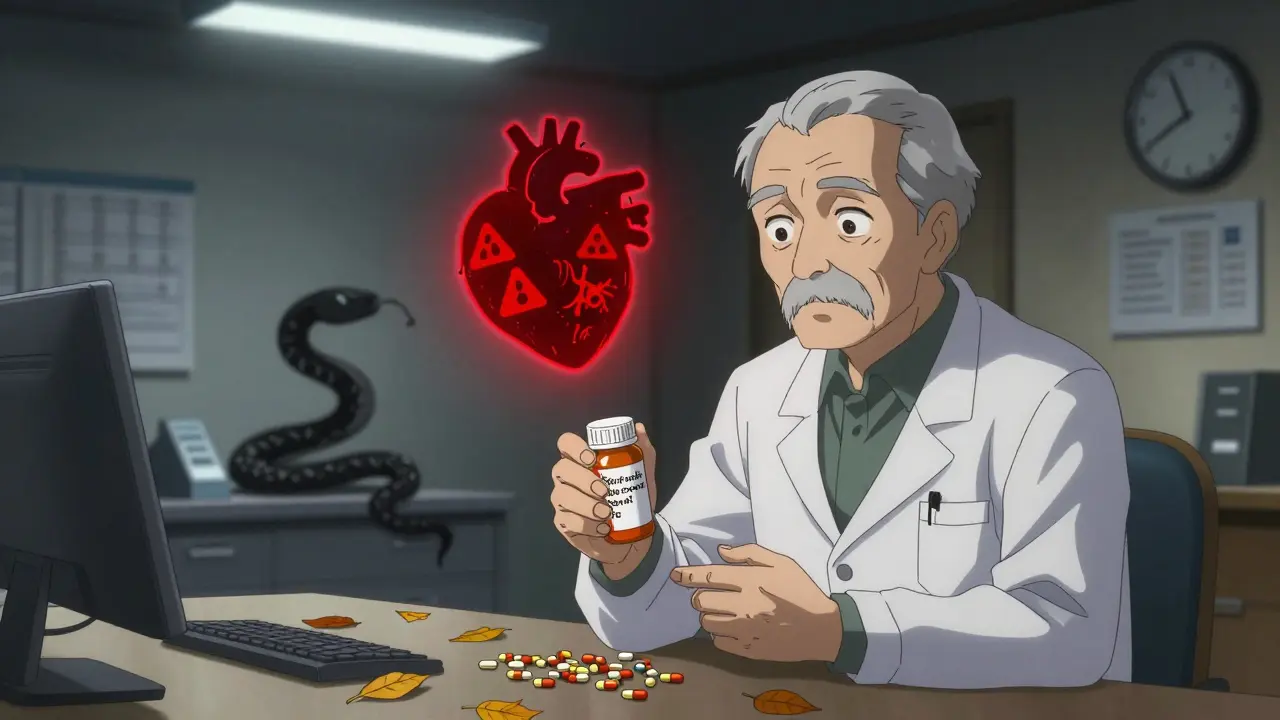
Many people think herbal supplements are safe because they’re "natural." But what if your daily ginkgo pill is quietly making your blood thinner than your doctor intended? Or your St. John’s Wort capsule is canceling out your antidepressant? These aren’t rare accidents - they’re everyday risks that doctors see too late, often after someone ends up in the ER.
Why Herbal Supplements Can Be Dangerous with Prescription Drugs
Herbal supplements don’t work like vitamins. They contain active chemicals that can change how your body handles prescription medications. Some speed up how fast your liver breaks down a drug, making it useless. Others slow down that process, letting the drug build up to toxic levels. And some directly interfere with how a drug works in your bloodstream or brain.The problem? Most people don’t tell their doctors they’re taking them. A 2022 Mayo Clinic study found that 75% of adults over 65 who take herbal supplements don’t mention it during appointments. That’s dangerous when you’re on something like warfarin, cyclosporine, or an SSRI - drugs with narrow safety margins.
St. John’s Wort: The Silent Drug Canceler
St. John’s Wort is the most dangerous herbal supplement when mixed with prescription drugs. It triggers an enzyme in your liver called CYP3A4 that flushes out medications faster than normal. The result? Your pills stop working.For people on cyclosporine after a transplant, this can mean organ rejection. In one study, patients taking St. John’s Wort saw cyclosporine levels drop by 50-60% in just two weeks. For those on oral contraceptives, it can lead to unintended pregnancy - 42% of user reports on Drugs.com cite this exact outcome. And for anyone on SSRIs like sertraline or fluoxetine, combining it with St. John’s Wort can trigger serotonin syndrome: a life-threatening spike in body temperature, muscle rigidity, confusion, and rapid heart rate.
The American Academy of Family Physicians says this interaction is so well-documented, St. John’s Wort should be avoided entirely if you’re on any antidepressant. Yet it’s still sold in stores as a "natural mood booster," often with no warning labels.
Ginkgo Biloba: The Hidden Bleeding Risk
Ginkgo biloba is popular for memory and focus - it’s in 73% of "brain health" supplements, according to ConsumerLab testing. But it also thins your blood. When paired with warfarin, aspirin, or newer blood thinners like apixaban, it can cause serious bleeding.Between 2010 and 2020, the Mayo Clinic documented 23 cases of major bleeding linked to ginkgo and anticoagulants, including three deaths. One Reddit user, u/HeartPatient99, shared how their INR shot up to 8.2 after taking ginkgo with apixaban - a level that caused rectal bleeding and hospitalization. Doctors told them this happens more often than people realize.
Unlike warfarin, which has regular blood tests (INR), newer blood thinners don’t have easy monitoring. That means someone could be at risk for weeks without knowing. The standard advice now: stop ginkgo at least one week before any surgery or dental work - and never mix it with anticoagulants unless your doctor is actively monitoring you.
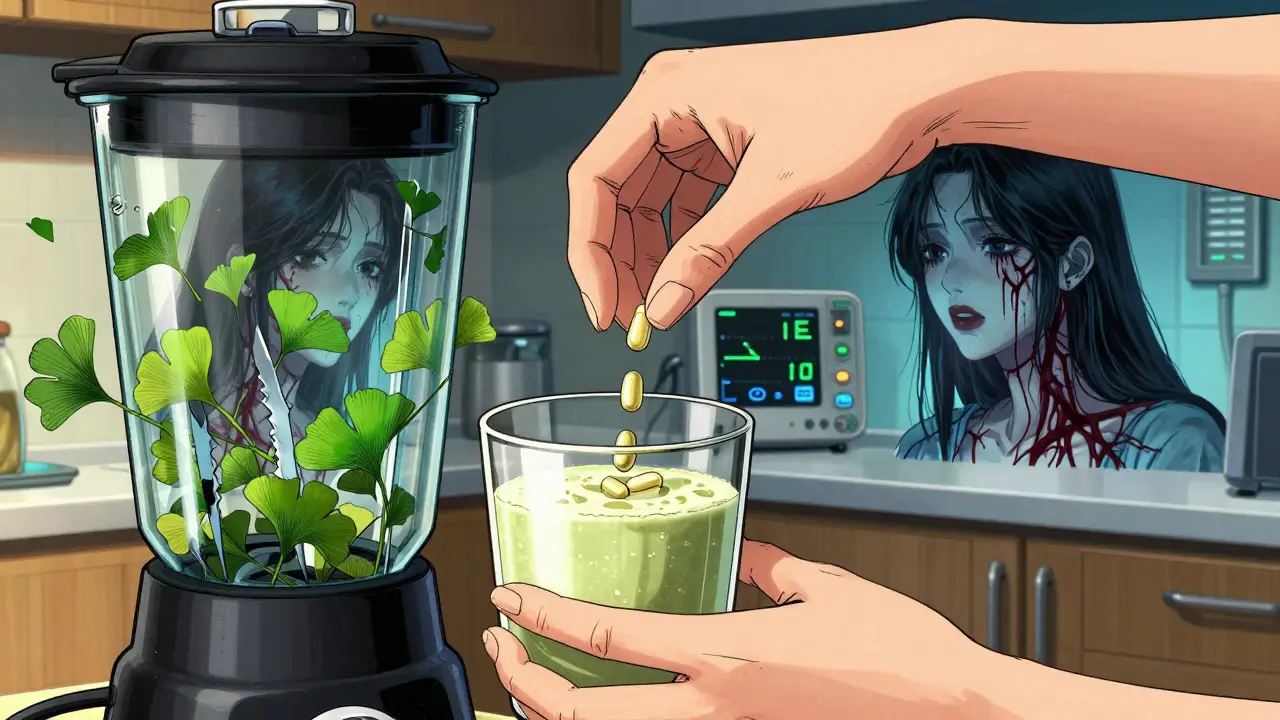
Garlic, Ginseng, and Goldenseal: The Hidden Enzyme Disruptors
Garlic supplements can reduce the effectiveness of saquinavir, an HIV medication, by over 50%. That’s not a small drop - it’s enough to let the virus rebound. A 2019 University of Washington trial with 18 volunteers confirmed this effect.Asian ginseng can interfere with blood pressure meds. Some studies show it lowers systolic pressure by 10-15 mmHg on top of what the drug already does. That can lead to dizziness, fainting, or falls - especially in older adults.
Goldenseal is even more concerning. It blocks the CYP3A4 enzyme - the same one St. John’s Wort activates. This means it can cause drugs to build up to toxic levels. In a 2018 University of Toronto study, goldenseal reduced midazolam clearance by 40%, meaning sedatives and painkillers could stay in your system too long.
What About Cranberry, Milk Thistle, and CoQ10?
Cranberry juice is often blamed for interacting with warfarin, but the evidence is mixed. Some studies show a slight rise in INR; others show no effect. The 2020 JAMA Internal Medicine meta-analysis found INR increases ranging from 0.3 to 1.8 units - not enough to be predictable. Still, if you’re on warfarin, it’s safer to avoid large amounts of cranberry juice or concentrate.Milk thistle and saw palmetto are generally low-risk based on current data. But that doesn’t mean zero risk. The Memorial Sloan Kettering Cancer Center’s 2023 database lists them as low-risk, but notes that long-term use in people on liver-metabolized drugs needs monitoring.
Coenzyme Q10 is another sneaky one. It’s often taken for heart health or statin side effects. But it may reduce warfarin’s effect by 25-30%. That means your INR could drop without warning, increasing your risk of stroke or clot. Weekly INR checks are recommended if you’re taking both.
Who’s at the Highest Risk?
Older adults are the most vulnerable. Nearly 70% of people over 65 take at least one supplement, and 25% of them are also on prescription drugs. Many are on multiple medications - blood thinners, statins, diabetes pills, antidepressants - and don’t realize supplements can interact with all of them.People with chronic conditions are also at higher risk. If you’ve had a heart transplant, are on HIV meds, or have atrial fibrillation, even small changes in drug levels can be deadly. And because herbal products aren’t regulated like drugs, the strength and ingredients can vary wildly between brands. One bottle of ginkgo might have 120mg of active compound; another might have 40mg - or even a hidden ingredient like warfarin itself.
What You Should Do Right Now
If you take any prescription medication and also use herbal supplements, here’s what to do:- Make a full list of everything you take - including vitamins, teas, powders, and tinctures. Don’t leave anything out.
- Bring that list to your next doctor or pharmacist visit. Say: "I want to know if any of these interact with my prescriptions."
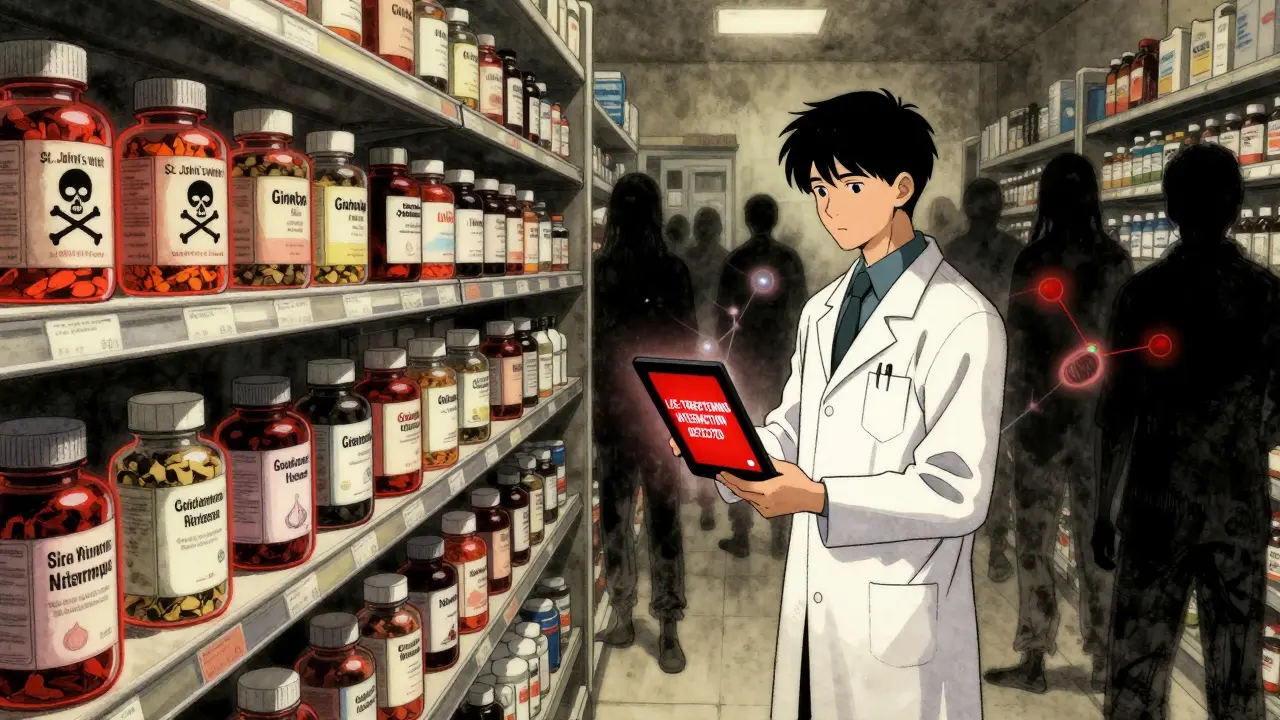
- Ask specifically about St. John’s Wort, ginkgo, garlic, ginseng, and goldenseal - these are the top offenders.
- If you’re on warfarin, ask if your INR should be checked more often.
- Don’t start a new supplement without checking with your provider first.
Pharmacists can use the Stockley’s Herbal Medicine Interactions protocol (2023 edition) to check for risks. Many hospitals now use the NCCIH’s Herb-Drug Interaction Checker, which classifies interactions as life-threatening, significant, or moderate. Ask your pharmacist if they use it.
What’s Being Done to Fix This?
There’s growing pressure to improve this. The European Medicines Agency has a standardized system for rating herb-drug risks - and U.S. institutions are starting to adopt it. Epic Systems, the biggest electronic health record provider, plans to integrate NCCIH’s database into medication reconciliation tools by Q3 2025. That means when you’re prescribed a new drug, your doctor’s system might flag: "Patient is taking ginkgo - high bleeding risk with anticoagulants."But until then, the burden is on you. The FDA can’t require supplement makers to prove safety before selling. They can only act after someone gets hurt. In 2022, the FDA warned 17 companies for secretly adding actual drugs - like sildenafil or steroids - into "natural" supplements.
There’s no magic fix. But awareness saves lives. Every time someone tells their doctor about their ginkgo or St. John’s Wort, they help close the gap.
Can I take St. John’s Wort with my antidepressant?
No. St. John’s Wort should never be taken with any antidepressant, including SSRIs like sertraline, fluoxetine, or citalopram. It can cause serotonin syndrome - a dangerous condition that raises body temperature, causes muscle stiffness, confusion, and rapid heartbeat. There are documented cases of hospitalization and death from this combination. Even if you feel fine at first, the risk builds over time.
Is ginkgo biloba safe if I’m on blood thinners?
It’s not safe. Ginkgo biloba increases bleeding risk, especially when combined with warfarin, apixaban, rivaroxaban, or even aspirin. Studies show it can triple the risk of major bleeding compared to blood thinners alone. If you’re on any anticoagulant, stop ginkgo unless your doctor specifically approves it and monitors your INR weekly. Many people don’t realize ginkgo is in brain health supplements - check labels carefully.
Do herbal supplements have to be tested for safety before being sold?
No. Under the Dietary Supplement Health and Education Act (DSHEA) of 1994, supplement makers don’t need FDA approval before selling. The FDA can only act after harm is reported - which means dangerous products stay on shelves for years. In 2022, the FDA found 17 companies secretly adding actual drugs like sildenafil or steroids into "natural" supplements. There’s no guarantee what’s in your bottle.
Can cranberry juice interact with warfarin?
It might, but the evidence is inconsistent. Some studies show a small rise in INR; others show no effect. Because the risk isn’t predictable, doctors recommend avoiding large amounts of cranberry juice or concentrate if you’re on warfarin. A daily glass of regular juice is likely fine, but don’t drink cranberry cocktails or concentrated supplements. If you’re unsure, ask your doctor to check your INR more often.
What should I do if I think a supplement is interacting with my medication?
Stop the supplement immediately and contact your doctor or pharmacist. Watch for signs like unusual bruising or bleeding (if on blood thinners), dizziness or fainting (if on blood pressure meds), or sudden mood changes, tremors, or high fever (if on antidepressants). Don’t wait to see if symptoms get better - these interactions can escalate quickly. Bring the supplement bottle with you so your provider can check the ingredients.




Posts Comments
Tiffany Machelski December 15, 2025 AT 15:59
i just started taking ginkgo for my memory and now i’m scared i might’ve messed up my blood thinner… i didn’t even know it could do that. thanks for posting this.
SHAMSHEER SHAIKH December 16, 2025 AT 02:20
Dear friends, I must express my profound concern regarding the alarming lack of public awareness surrounding herbal-drug interactions. The scientific literature is unequivocal: St. John’s Wort, ginkgo, and goldenseal are not benign-they are pharmacological time bombs. We must advocate for mandatory labeling, physician education, and regulatory reform. Lives are not expendable in the name of ‘natural’ marketing.
Souhardya Paul December 17, 2025 AT 04:33
My grandma takes ginkgo and blood pressure meds. She swears it helps her focus, but I’ve been telling her to stop for months. This post finally gave me the ammo to make her listen. I’m printing this out and handing it to her with a cup of tea.
anthony epps December 17, 2025 AT 15:31
so st. john’s wort cancels out antidepressants? wow. i didn’t know that. i thought it was just a chill herb. guess i’m not taking it anymore.
Dan Padgett December 19, 2025 AT 00:03
you know, back home in Lagos, folks use herbs like they use salt-every meal, every mood. we don’t call it ‘supplements,’ we call it ‘grandma’s wisdom.’ but this? this hits different. it’s not about old ways vs new ways-it’s about knowing what’s in the pot before you swallow. respect the plant, but respect the pill too.
Hadi Santoso December 19, 2025 AT 13:33
my uncle took ginkgo with warfarin and ended up in the er with a nosebleed that wouldn’t stop… he thought it was just ‘cleaning his blood.’ i told him it’s not a detox, it’s a danger zone. now he’s off it. still says he misses the ‘brain boost’ though 😅
Joanna Ebizie December 19, 2025 AT 13:46
of course the FDA doesn’t regulate this. it’s all about big pharma protecting their profits. if herbs could replace pills, they’d lose billions. they want you dependent. don’t be fooled.
Elizabeth Bauman December 20, 2025 AT 00:06
THEY’RE HIDING THIS ON PURPOSE. The FDA lets dangerous supplements fly because they’re in bed with the supplement industry. And don’t get me started on how they let Chinese manufacturers slip sildenafil into ‘natural energy boosters’-this is a war on American health. Wake up, people!
Mike Smith December 20, 2025 AT 18:29
As a clinical pharmacist with over 20 years of experience, I have witnessed firsthand the devastating consequences of unreported herb-drug interactions. The data presented here is not anecdotal-it is clinically validated. I urge all patients to disclose every substance they consume, no matter how ‘innocuous’ it may seem. Your life may depend on it.
Ron Williams December 22, 2025 AT 16:44
my mom’s on 7 meds and takes 5 supplements. she says ‘if it’s in the store, it’s probably fine.’ i just sighed and made her a list of the top 5 dangerous ones. she’s still not convinced. but at least she knows now.
Colleen Bigelow December 22, 2025 AT 23:00
they’re poisoning us with ‘natural’ lies. the government knows. the corporations know. but they won’t stop until we all stop buying. boycott every supplement aisle. demand real science. this isn’t health-it’s corporate fraud dressed in leafy green packaging.
Dylan Smith December 22, 2025 AT 23:43
why do people even take these things? if you’re on meds you should just stick to the script. no magic herbs no nope. stop being your own doctor
Aditya Kumar December 24, 2025 AT 05:00
interesting. i’ll read it later.
Arun ana December 25, 2025 AT 18:13
thanks for this 🙏 i’ve been taking garlic pills for my heart and didn’t realize they could mess with HIV meds. i’m gonna ask my doc tomorrow. also… 🌿💚
Write a comment