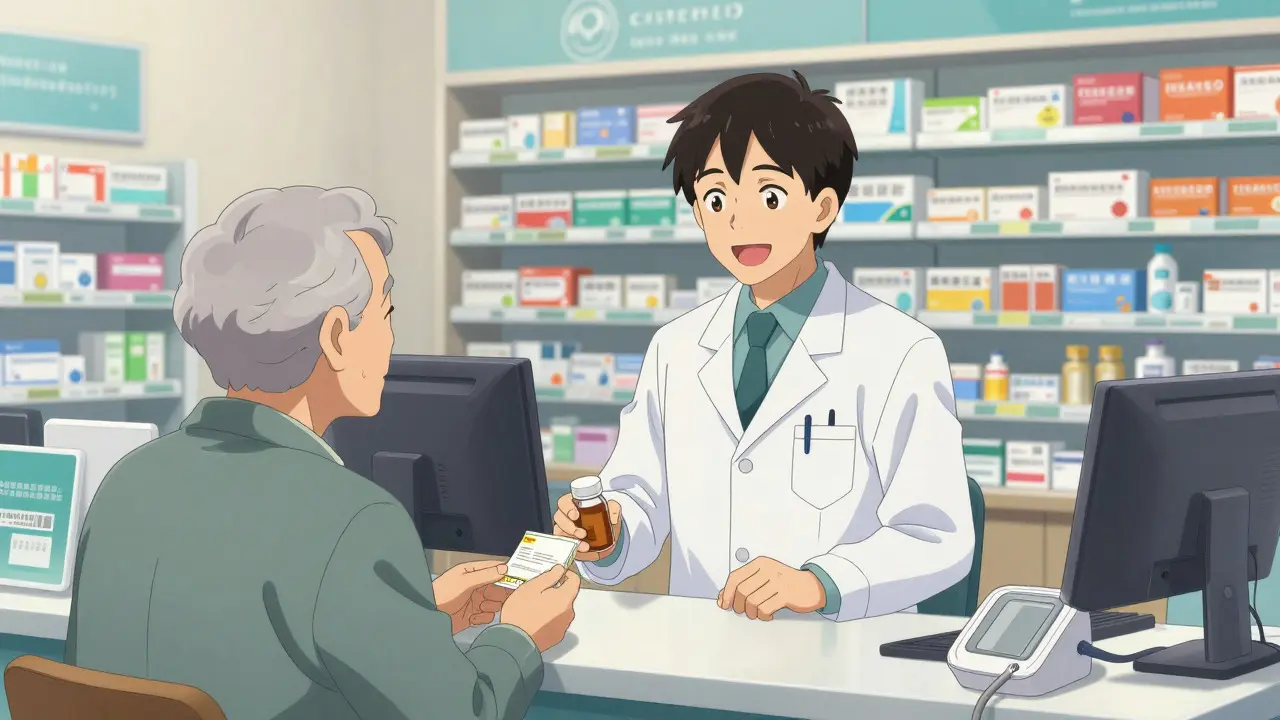
Walk into a local pharmacy today, and you’re likely to see more than just shelves of pills. You’ll see a pharmacist checking someone’s blood pressure, administering a flu shot, or explaining why a generic version of their medication is safer and cheaper. This shift isn’t accidental; it’s the result of decades of pharmacist advocacy for broader roles in healthcare. For years, pharmacists were seen primarily as dispensers-people who hand over boxes based on a prescription. Now, they are recognized as essential partners in prevention and cost-saving, bridging the gap between patients and complex medical systems.
The core promise here is simple: better access and lower costs. By championing immunizations and generic drugs, pharmacists help close gaps that doctors often can’t reach due to time constraints or scheduling issues. If you’ve ever wondered why your pharmacist asked about your last tetanus booster or suggested a switch to a generic brand, this article explains the strategy behind those interactions and what it means for your health wallet.
Key Takeaways
- Pharmacists now administer vaccines in all 50 U.S. states, making them the most accessible healthcare providers for routine immunizations.
- Switching to generic prescriptions can save patients significant money without sacrificing efficacy, a role pharmacists actively promote during consultations.
- Advocacy efforts have transformed pharmacies from product distributors into hubs for public health prevention, with 93% of Americans living within five miles of one.
- Despite progress, reimbursement rates for vaccine administration often lag behind actual costs, creating financial hurdles for independent pharmacies.
- Electronic record integration remains a critical challenge, requiring better coordination between pharmacy systems and primary care providers to prevent missed vaccinations.
From Dispensers to Healthcare Partners
To understand the current landscape, we need to look at how far the profession has come. In the early 1990s, formal training programs for pharmacist-administered vaccines began to take shape. The American Pharmacists Association (APhA) notes that while pharmacists had long advocated for immunizations, they only gained the formal privilege to facilitate these services starting in 1994. Back then, the scope was limited. In 1995, only nine states allowed pharmacists to give shots. Today, that number is fifty, plus the District of Columbia and Puerto Rico.
This expansion wasn’t just about adding a new task to a pharmacist’s day; it was a structural change in how healthcare is delivered. The strategic value lies in accessibility. Community pharmacies operate longer hours than clinics, rarely require appointments, and are located in almost every neighborhood. According to recent data, 93% of Americans live within five miles of a community pharmacy. This proximity makes pharmacists ideal candidates for handling routine but critical tasks like seasonal influenza shots or catching up on missed childhood vaccines for adults.
The role extends beyond just giving shots. Pharmacists screen patients for Advisory Committee on Immunization Practices (ACIP)-recommended vaccines across the entire lifespan. Whether it’s an adolescent getting their first non-childhood immunization or an elderly patient needing a shingles booster, the pharmacist acts as the first line of defense against preventable diseases. This shift represents a move from 'strictly product distribution' to supporting public health and prevention, fundamentally altering the community pharmacy model.
The Case for Generic Prescriptions
While immunizations get the headlines, the daily battle for pharmacists is often about medication costs. One of the most impactful forms of pharmacist advocacy is promoting generic prescriptions. When a doctor writes a prescription, they might specify a brand-name drug. However, the active ingredient in a generic version is identical, and regulatory agencies ensure bioequivalence. Yet, patients often hesitate to switch due to myths about quality or side effects.
This is where the pharmacist steps in. During the consultation window, pharmacists explain that generics undergo rigorous testing by the FDA to match the safety, strength, and performance of brand-name drugs. They don’t just suggest the switch; they document the rationale and monitor the patient for any issues. For many chronic conditions, such as hypertension or diabetes, switching to generics can reduce monthly out-of-pocket costs by 20% to 80%. This financial relief is crucial for adherence, ensuring patients actually take their medication consistently.
The advocacy doesn’t stop at the counter. Pharmacists also work behind the scenes with Pharmacy Benefit Managers (PBMs) and insurers to ensure formulary lists include affordable options. However, this process is not without friction. Independent pharmacists report that PBM practices can sometimes limit reimbursement for both vaccines and generics, squeezing margins. Despite this, the push for generics remains a cornerstone of pharmacy practice because it directly impacts patient affordability and long-term health outcomes.
How Pharmacist-Led Immunization Works
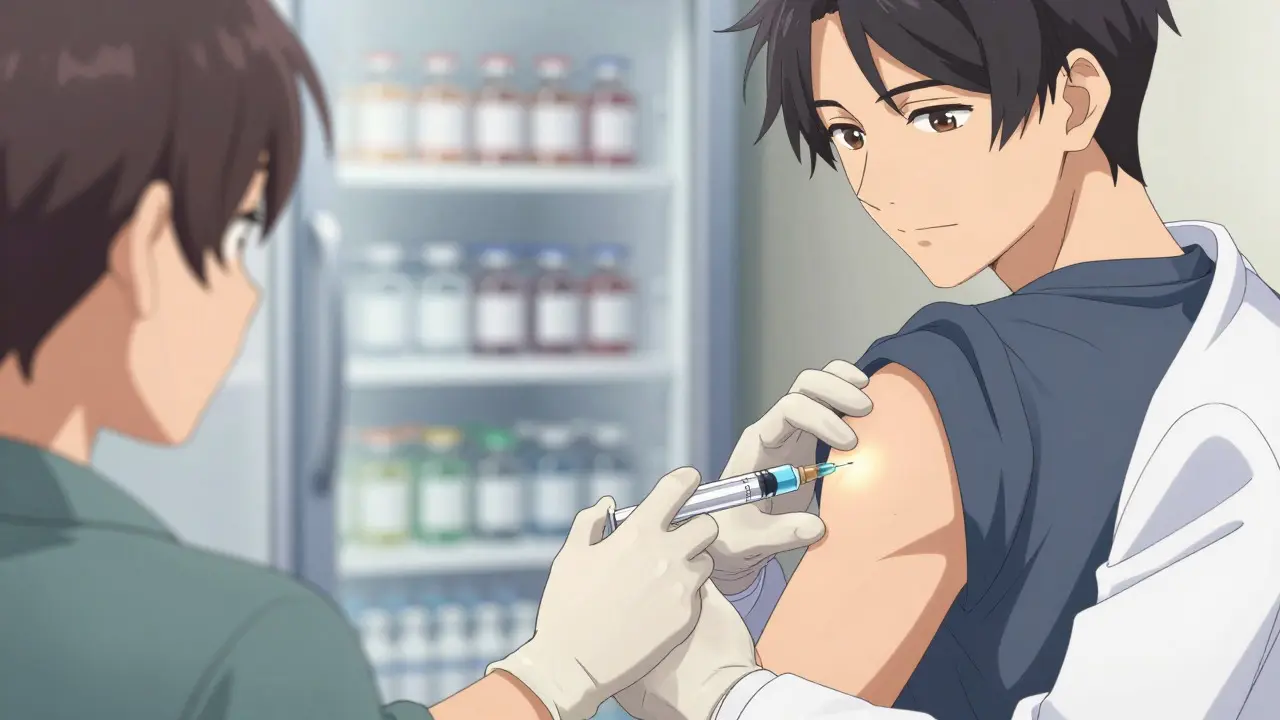
Implementing vaccine services in a pharmacy requires more than just buying a fridge. It involves navigating a complex web of regulations and protocols. Depending on the state, pharmacists may operate under vaccination protocols, standing orders, or direct physician prescriptions. Each pathway has its own documentation requirements. For instance, in California, legislation AB 577 allows pharmacists to initiate and administer any FDA-approved immunization for people aged three and older, provided it aligns with evidence-based practice.
The technical side includes strict storage standards. Vaccines are sensitive to temperature, and even minor excursions can render them ineffective. CDC data indicates that 12% of community pharmacies have experienced vaccine spoilage due to temperature issues, costing an average of $1,200 per incident. To mitigate this, pharmacies use calibrated digital thermometers and log temperatures multiple times a day. This level of vigilance ensures that when a patient walks in, the vaccine is safe and effective.
Training is another key component. Most states require pharmacists to complete specific certification programs, such as the APhA Pharmacy-Based Immunization Delivery certificate. This involves 20-30 hours of combined didactic and practical training. Once certified, pharmacists must maintain continuing education to stay current with changing guidelines. This commitment to training signals to patients that they are receiving care from a qualified professional, not just a retail worker.
Barriers and Payment Challenges
If the benefits are so clear, why isn’t every pharmacy offering full-service immunization? The answer largely lies in payment structures. Reimbursement for vaccine administration varies widely. In Medicare Part B settings, for example, rates often fail to cover the actual labor and overhead costs of providing the service. The Medicare Payment Advisory Commission (MedPAC) reported that current reimbursement rates cover only 87% of the actual cost in community pharmacy settings. That missing 13% adds up quickly, especially for smaller independent pharmacies that don’t have the economies of scale enjoyed by large chains.
Additionally, there is a 'patchwork' of state laws. While 50 states allow pharmacists to vaccinate, the specifics differ. Some states impose age restrictions, particularly for pediatric patients. Others have varying timelines for reporting administered vaccines to state registries. Thirty-four states require reporting within 72 hours, while others are more lenient. This inconsistency creates an administrative burden that limits consistent care delivery. As one California pharmacist noted, this regulatory fragmentation creates unnecessary work that could be spent on patient interaction instead.
There is also the issue of insurance billing. Surveys show that 42% of patients report difficulties with insurance coverage for pharmacy-administered vaccines. Confusion over whether a vaccine is covered under medical insurance or prescription drug plans leads to unexpected bills and hesitation. Resolving these billing ambiguities is a major focus of ongoing advocacy efforts.

Impact on Patient Access and Satisfaction
Despite the systemic challenges, the impact on patients is overwhelmingly positive. Convenience is the primary driver. An 87% majority of surveyed patients cite convenience as the main reason they choose pharmacy vaccination over traditional healthcare settings. No waiting rooms, no appointment scheduling, and extended hours make it easier for busy individuals to prioritize their health.
Pharmacists also play a crucial role in addressing vaccine hesitancy. Because they interact with patients frequently, they build trust over time. This relationship allows them to address concerns effectively. For example, discussions about mRNA technology or side effects can be handled in a low-pressure environment. On average, pharmacists spend 7-10 minutes per patient discussing vaccine benefits, which is significantly more time than a hurried clinic visit might allow. This personalized attention helps convert hesitant individuals into vaccinated ones.
The data supports this effectiveness. During the 2022-2023 influenza season, chain pharmacies administered over 35 million flu vaccines, representing approximately 38% of all adult flu vaccinations in the United States. Community pharmacies provided 32% of all adult influenza vaccinations in the 2019-2020 season. These numbers highlight the massive scale of pharmacy-based immunization and its integral role in national health goals.
| Feature | Community Pharmacy | Traditional Clinic |
|---|---|---|
| Accessibility | High (93% within 5 miles) | Moderate (varies by location) |
| Appointment Requirement | Usually none | Often required |
| Operating Hours | Extended (evenings/weekends) | Standard business hours |
| Average Consultation Time | 7-10 minutes | Variable (often rushed) |
| Primary Focus | Prevention & Cost Savings | Comprehensive Care |
The Future of Pharmacy Practice
The trajectory for pharmacist advocacy is upward. The market for pharmacy immunization services grew from $1.2 billion in 2015 to an estimated $4.7 billion in 2023. Analysts predict that by 2026, pharmacists will administer over 50% of all adult vaccinations in the U.S., up from the current 35-40% range. This growth is driven by legislative changes, with 27 states enacting scope-of-practice expansions between 2020 and 2023.
However, sustainability depends on fixing the payment models. The National Community Pharmacists Association (NCPA) has launched campaigns like 'Finish the Fight,' mobilizing thousands of letters to Congress to support PBM reform. The goal is to ensure fair payment for vaccination services, which would allow more independent pharmacies to join the network. Currently, 92% of independent community pharmacists offer immunization services, up from 65% in 2015, showing strong adoption despite financial headwinds.
Looking ahead, the focus is shifting toward integrated records. The American Society of Health-System Pharmacists calls for electronic health record systems that span different healthcare settings. This would allow pharmacists to see a patient’s full vaccination history and primary care notes, reducing the risk of missed opportunities. With 89% of pharmacists supporting this recommendation, the industry is aligned on the need for better data sharing. As these systems mature, the role of the pharmacist will continue to evolve from a point-of-care provider to a central hub in the patient’s healthcare journey.
Do I need an appointment to get a vaccine at a pharmacy?
Generally, no. Most community pharmacies offer walk-in vaccination services, though some may recommend calling ahead to check stock availability for specific vaccines like Tdap or MMR. Flu shots are typically available on a walk-in basis during peak season.
Are generic medications really as good as brand-name drugs?
Yes. The FDA requires generic drugs to have the same active ingredients, dosage, safety, strength, quality, and performance as their brand-name counterparts. They must demonstrate bioequivalence, meaning they work the same way in the body. The main difference is usually price, with generics being significantly cheaper.
Which vaccines can pharmacists administer?
In most states, pharmacists can administer ACIP-recommended vaccines such as influenza, Tdap, pneumococcal, shingles, and HPV. The specific list can vary by state law, with some jurisdictions restricting pediatric vaccines or requiring additional authorization for certain adult vaccines.
How much do vaccines cost at a pharmacy?
Costs vary depending on insurance coverage. Many vaccines are covered by medical insurance with no copay. Uninsured patients may pay out-of-pocket, with prices ranging from free (for some flu shots) to around $100-$200 for specialty vaccines. Pharmacists can provide exact pricing before administration.
Does my doctor know if I get a shot at the pharmacy?
Ideally, yes. Pharmacists are required to report administered vaccines to state immunization registries. Your primary care provider should be able to see this record in their electronic health system. However, integration is still improving, so it’s always a good idea to mention your vaccination status at your next doctor’s visit to ensure your personal records are up to date.






Posts Comments
Amy Zalkin August 27, 2026 AT 15:06
honestly this is such a game changer for me because i literally never make it to the doc on time but my local pharma guy has saved my butt so many times with flu shots and stuff
its wild how much they can do now its like a whole new era of healthcare right there in the corner store vibes
Alex Brown August 28, 2026 AT 01:58
This represents a profound shift in the social contract between patient and provider. By decentralizing routine care, we are effectively democratizing access to prevention, which is arguably the most efficient form of medicine. The pharmacist becomes not just a dispenser of chemicals, but a guardian of community health.
Kaylyn Mello August 28, 2026 AT 14:58
totally agree with that point about accessibility. I remember when getting a tetanus shot meant taking half a day off work and waiting in a sterile office for an hour. Now I just walk in after my shift. It really does change how people view their own responsibility for staying healthy since it is so easy to just pop in.
joyce Hogewoning August 29, 2026 AT 11:50
Oh you think this is great? Well let me tell you about the time I went in for a simple shingles booster and ended up having a twenty minute conversation with the pharmacist about whether or not the vaccine contained any trace amounts of pork gelatin because apparently some people have strong feelings about that even though nobody cares anymore but then he had to check the fridge logs because one of the temps was off by two degrees which technically means the whole batch might be compromised so I had to wait while he called the supplier and then when I finally got the shot it hurt more than my last three root canals combined and the receipt came out wrong so I had to argue with the register machine for ten minutes before they gave me a refund on the copay which was only four dollars anyway so what is the point of all this advocacy if we are still dealing with these little administrative nightmares every single time we try to do something good for our bodies?
Thhomas Fox August 30, 2026 AT 12:53
Solid read. The data on generic savings is real. I switched my dad’s meds last year and cut his bill in half. No drama, just math. Keep pushing for this.
Owen John September 1, 2026 AT 11:04
One must look past the glossy brochure here. The 'advocacy' is merely a convenient cover for Big Pharma's need to move inventory through cheaper channels. Why else would they push generics so hard unless the margin structure favors the middleman? It is a subtle erosion of physician authority, a quiet coup where the person who knows the least about your specific pathology gets to dictate your treatment plan. Trust no one who sells you the cure while billing you for the delivery. The state registries are just databases for surveillance, nothing more.
Maneesh kv September 1, 2026 AT 15:25
Great article 📚 but the payment issue is a big headache 😤. In India we see similar struggles with reimbursement delays. Pharmacists should be paid fairly for their expertise! 💪 Keep fighting this battle!
John Park September 2, 2026 AT 12:37
The narrative is seductive but flawed. You cite convenience as a primary driver, but convenience is often the enemy of thoroughness. A 7-minute consultation is not care; it is triage. When you reduce a complex medical decision to a transaction at a counter, you invite error. The 'hub' model assumes a level of integration that simply does not exist in the current fragmented landscape. We are building a castle on sand, mistaking speed for quality. The future is not brighter; it is just faster, and speed rarely equals safety.
Kathleen McGrath September 3, 2026 AT 05:57
I love seeing this progress! It makes life so much easier for busy families. My kids get their shots at the pharmacy on the way home from school. No missed appointments, no stress. It is a small thing but it helps so much. Thank you for highlighting this important role pharmacists play in our daily lives.
Lemuel Gomez September 5, 2026 AT 03:34
Interesting perspective, though I wonder about the long-term implications... Specifically, how will the electronic record integration handle privacy concerns? ...It seems like a necessary step, but... the data security aspect remains... somewhat underexplored in the text.
Write a comment