Category: Pharmaceuticals - Page 2

How to Safely Dispose of Expired Pediatric Medications

Expired pediatric medications can be dangerous-even if they look fine. Learn why kids are at higher risk, how to safely dispose of them, and what storage habits prevent poisoning. FDA and CDC guidelines explained.

Read More

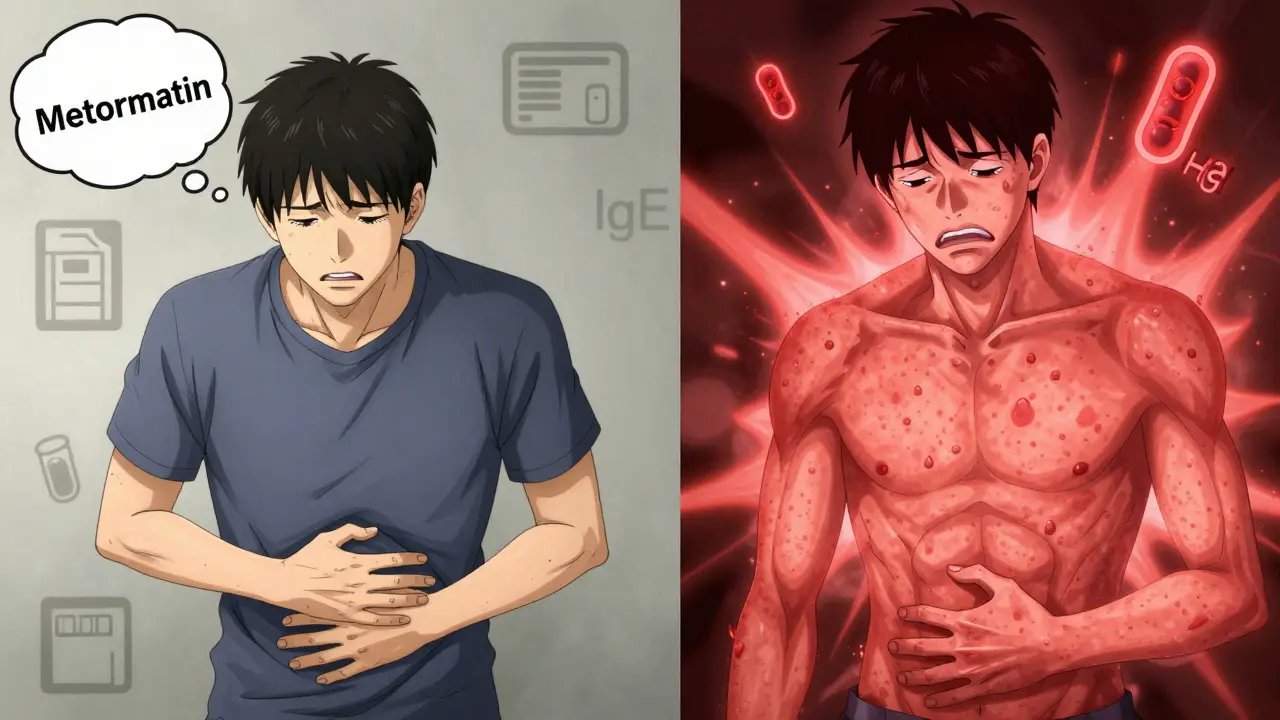
Difference Between Medication Side Effects and Allergic Drug Reactions

Most people confuse drug side effects with true allergies. Learn how to tell them apart, why it matters, and what to do if you think you're allergic to a medication.

Read More

How the U.S. Government Is Responding to Drug Shortages: Federal Actions in 2026

The U.S. government is using stockpiles of raw drug ingredients and new AI tools to fight drug shortages, but critics say these measures don't fix the broken system behind them. Hospitals are overwhelmed, patients are skipping doses, and funding cuts are making it worse.

Read More

Patient Vigilance: How You Can Spot and Stop Fake Medicines

Fake medicines kill. Learn how to spot counterfeit drugs by checking packaging, verifying sources, and reporting suspicious products. Your vigilance saves lives.

Read More

SSRIs and Anticoagulants Together: What You Need to Know About Bleeding Risk

Combining SSRIs with anticoagulants increases bleeding risk by 33%, primarily due to platelet dysfunction. Learn which drugs carry the highest risk, who's most vulnerable, and what steps to take to stay safe.

Read More

How to Manage Medication Refills During Extended Travel

Learn how to avoid running out of medication while traveling abroad. Get expert tips on early refills, international rules, emergency backups, and time zone adjustments to keep your health on track.

Read More

Pediatric Exclusivity: How the FDA Extends Market Protection Without Touching Patents

Pediatric exclusivity lets the FDA block generic drugs for six extra months after patents expire - not by extending patents, but by adding a regulatory hold. Here's how it works, who benefits, and why it matters.

Read More

Metformin and Kidney Function: How to Monitor and Adjust Doses Safely

Metformin is safe for most people with type 2 diabetes and mild-to-moderate kidney disease. Learn how to monitor eGFR, adjust doses safely, avoid common myths, and prevent dangerous side effects like lactic acidosis.

Read More

Monitoring Your Health After Switching to Generics

Switching to generic medications is safe for most people, but some need to monitor their health closely. Learn what symptoms to watch for, which drugs require extra care, and how to report problems to protect yourself and others.

Read More

Antihistamines: First-Generation vs. Second-Generation Compared

Learn the key differences between first- and second-generation antihistamines like Benadryl and Zyrtec. Discover which one is safer, more effective, and better for daily use-and when the old-school option still makes sense.

Read More

How to Use a Medication Action Plan Template During Healthcare Visits

Learn how to use a Medication Action Plan template during healthcare visits to prevent dangerous drug interactions, improve adherence, and ensure clear communication with your providers. A simple tool that saves lives.

Read More

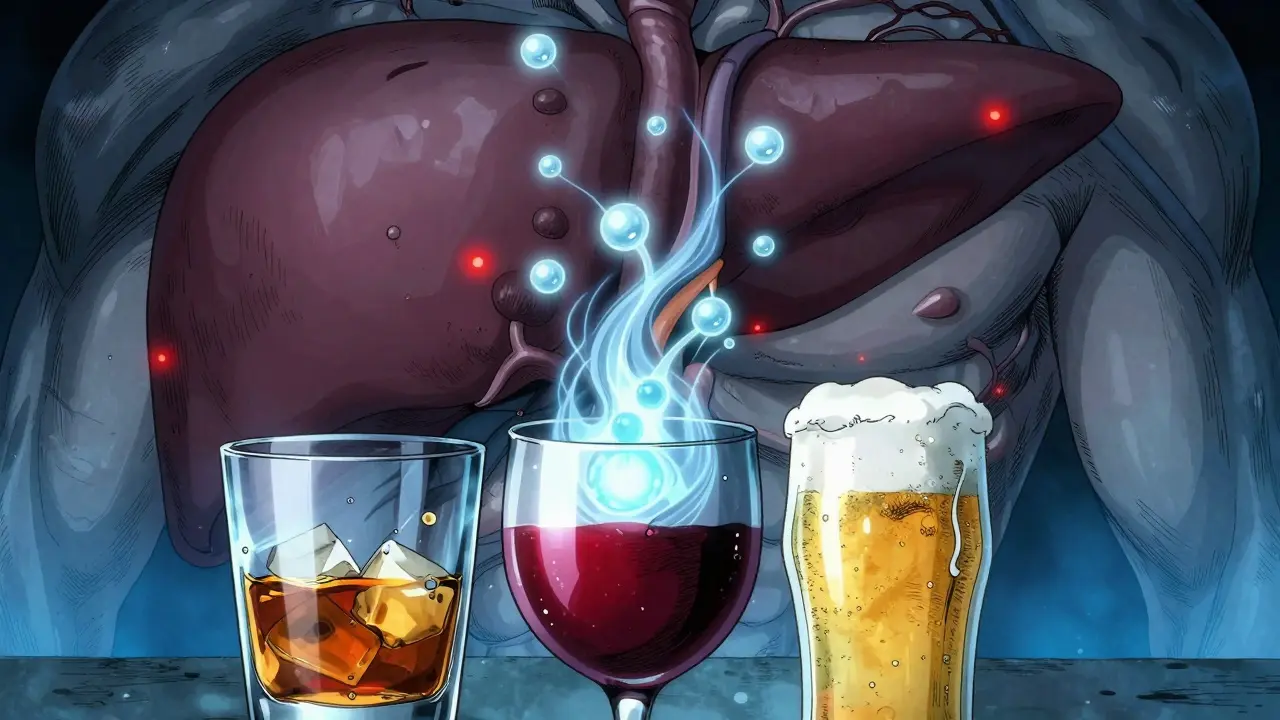
Benzodiazepine Overdose: Emergency Treatment and Monitoring

Benzodiazepine overdose rarely kills alone but becomes deadly when mixed with opioids or alcohol. Emergency treatment focuses on airway support, monitoring, and avoiding risky interventions like flumazenil. Most patients recover with time and careful observation.

Read More