Author: Veronica Ashford - Page 3

Medical Alert Bracelets: When and Why They Matter for Drug Safety

Medical alert bracelets save lives by giving emergency teams critical drug safety info when you can’t speak. Learn who needs one, what to engrave, and why QR codes are changing the game.

Read More


How to Carry Backup Prescriptions and Digital Copies Securely While Traveling

Learn how to safely carry backup prescriptions and digital copies while traveling-avoid risky methods like phone photos, use encrypted pharmacy apps, and stay compliant abroad.

Read More

Microscopic Colitis: How Budesonide Treats Chronic Diarrhea

Microscopic colitis causes chronic watery diarrhea with no visible signs on colonoscopy. Budesonide is the first-line treatment, offering 75-85% remission rates with fewer side effects than older steroids. Learn how it works, what to expect, and what alternatives exist.

Read More

OTC Medication Interactions with Prescription Drugs: What to Check Before You Take Them

Many OTC meds like ibuprofen, paracetamol, and sleep aids can dangerously interact with prescription drugs. Learn which combinations to avoid and how to stay safe before taking any over-the-counter medicine.

Read More

Penicillin Allergies: What Patients Need to Know for Safety

Most people who think they're allergic to penicillin aren't. Learn the truth about penicillin allergies, how to get tested, and why accurate diagnosis saves lives and money.

Read More

Functional Impairment in Autoimmunity: How Rehab and Occupational Therapy Help You Stay Independent

Functional impairment from autoimmune diseases can make everyday tasks impossible. Rehab and occupational therapy help restore independence through tailored exercise, energy conservation, and adaptive tools-without pushing through pain.

Read More

How to Report Side Effects After Switching to a Generic Medication

If you experienced side effects after switching to a generic medication, you can report them to the FDA. Learn how to document symptoms, identify the manufacturer, and submit a report through MedWatch - and why your report matters for drug safety.

Read More

NSAID Safety: What You Need to Know About Ibuprofen and Naproxen

Ibuprofen and naproxen are common OTC painkillers, but they carry hidden risks to your stomach, heart, and kidneys. Learn the safe limits, who should avoid them, and what to use instead.

Read More

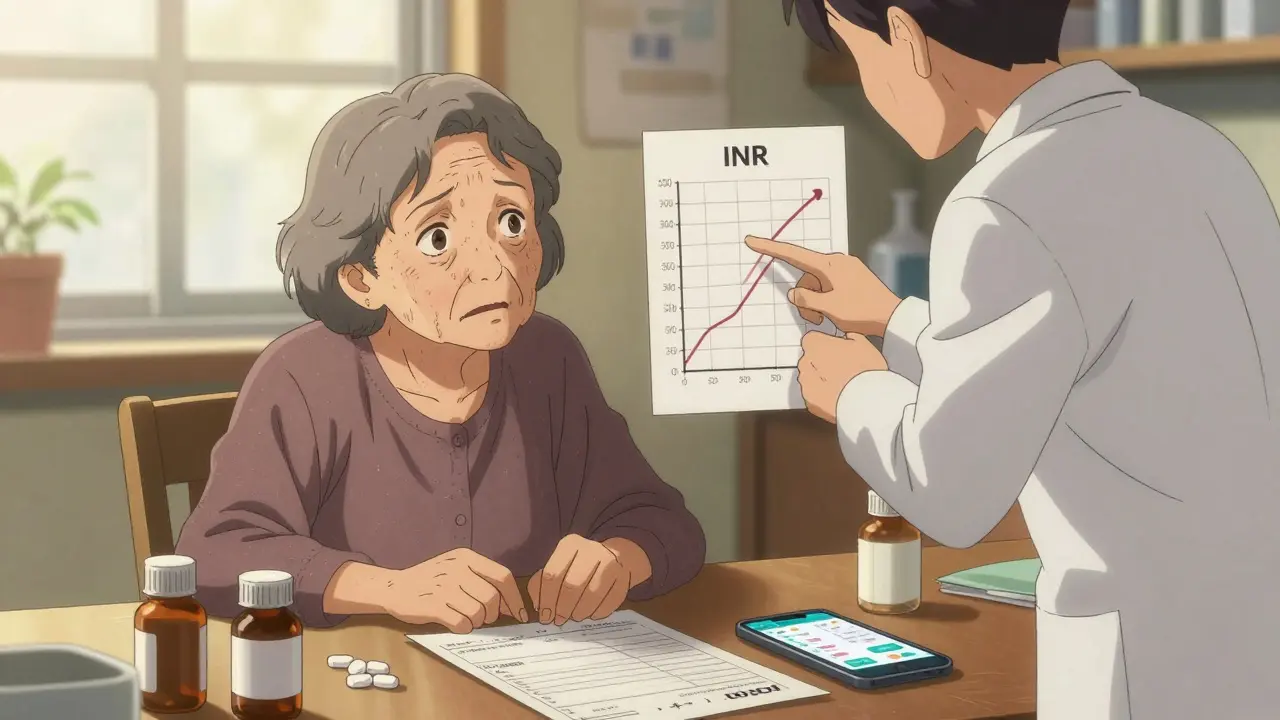
When to Seek a Second Opinion About Medication Side Effects

If you're experiencing troubling side effects from medication, you may need a second opinion. Learn when to act, what to bring, and how to get help faster with proven strategies backed by medical data.

Read More

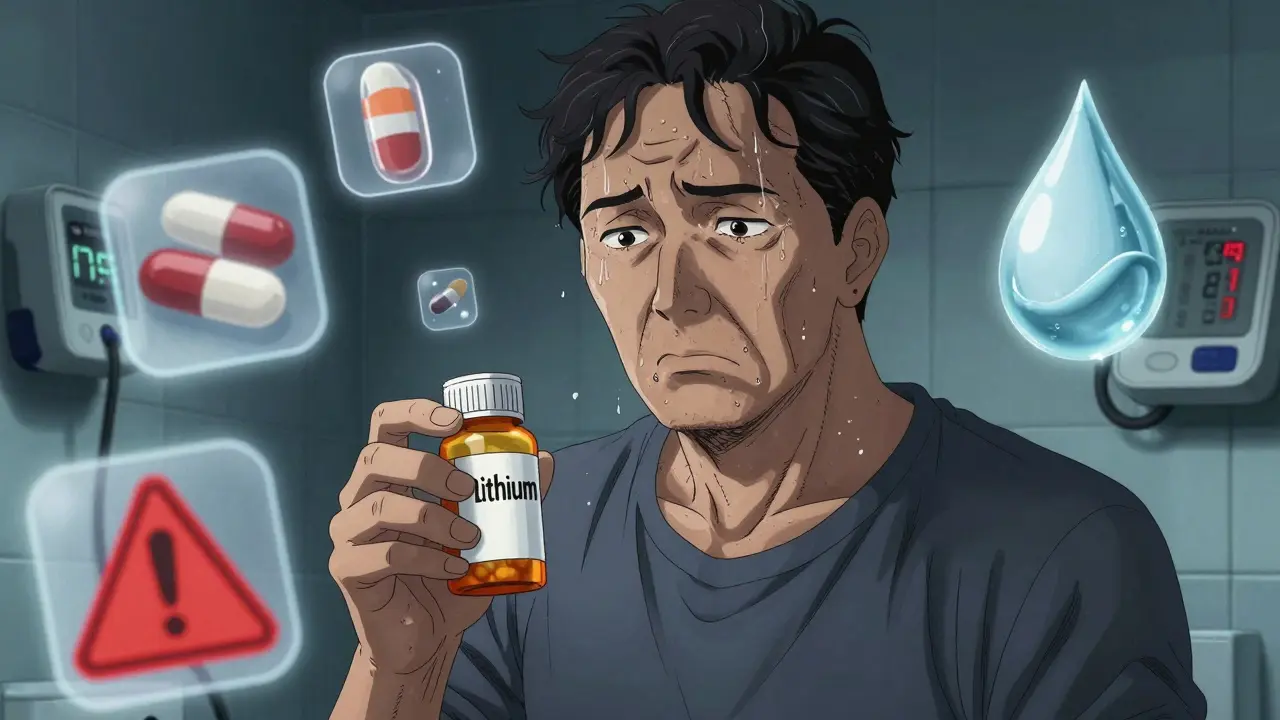
Lithium Interactions: How NSAIDs, Diuretics, and Dehydration Raise Toxicity Risk

Lithium is effective for bipolar disorder but dangerous if combined with NSAIDs, diuretics, or dehydration. Learn how common medications and fluid loss can trigger life-threatening toxicity - and how to stay safe.

Read More

Desensitization Protocols for Medication Side Effects: When They’re Used

Drug desensitization lets patients with severe medication allergies safely receive essential treatments like antibiotics and chemotherapy. Learn when it's used, how it works, and why it's often the only option.

Read More

Adjusting Medication Dose: Finding Your Optimal Balance of Benefits and Risks

Finding the right medication dose means balancing effectiveness with safety. Learn how age, genetics, kidney function, and drug interactions affect your treatment - and what steps to take to avoid dangerous side effects.

Read More